Experience guides · Safari styles
Best African Safari for Photography
The camera you bring matters far less than the vehicle you sit in. A photography safari lives or dies on things most travellers overlook: whether you can hold a position and wait, how low your angle is, and whether the light and the wildlife line up. Nail those and a modest kit gets the shot; miss them and the best gear in the world is stuck behind a stranger's shoulder in a shared van. Here's how to plan a safari that's actually built for the photograph.
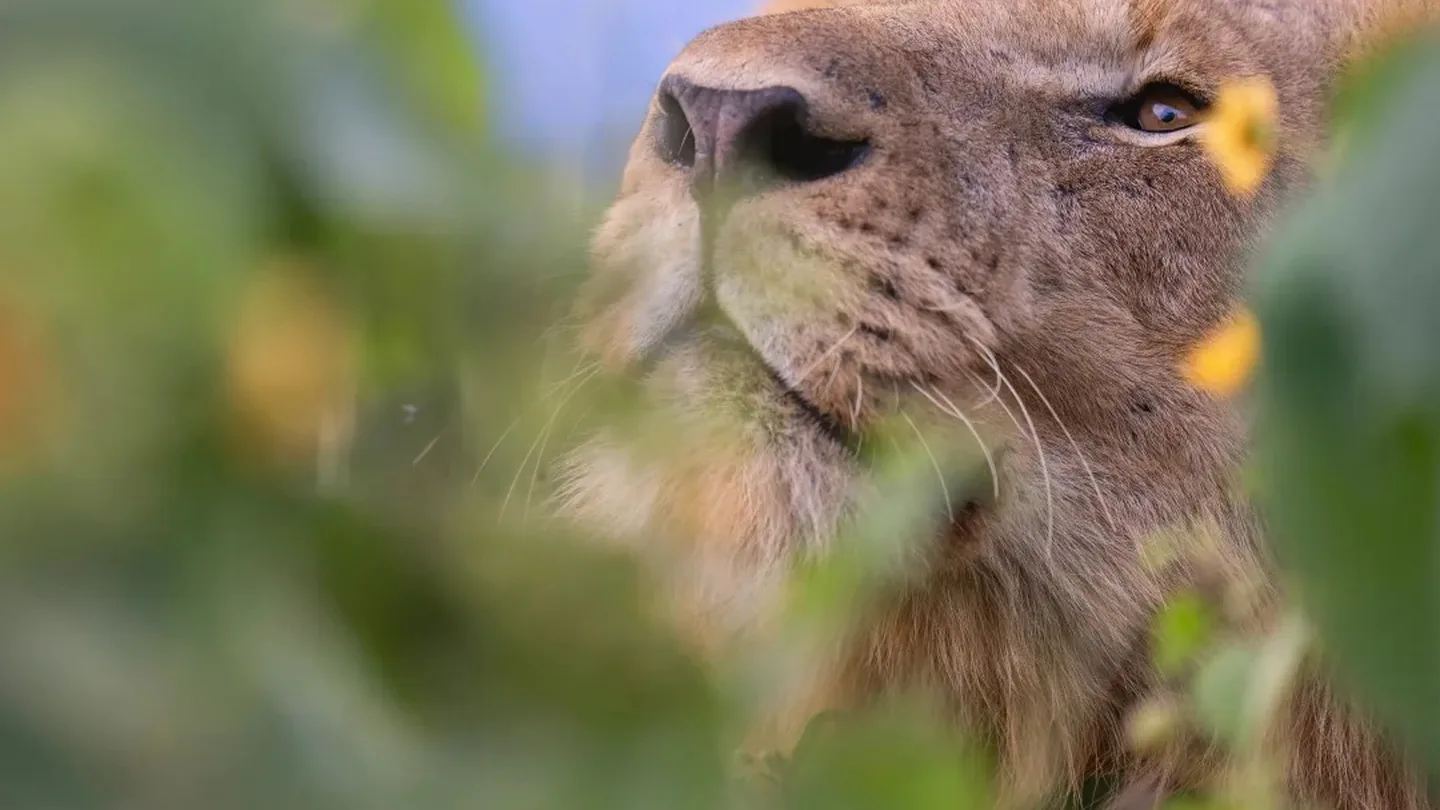
The photograph improves when patience and position replace the urge to collect sightings. The Safari Atlas
The quick answer
The best photography safari is built around four things: a private vehicle (so you control the position and can wait for the shot), a patient, photography-minded guide, time (fewer places, more days), and being where the light and wildlife align. Destination-wise, the Maasai Mara and Serengeti lead for big cats and the migration; private reserves add low, open vehicles and off-road access; Amboseli gives elephants under Kilimanjaro.
Prioritise the private vehicle above all – it's what turns sightings into photographs. Season and region then put you where the action and the golden light meet.
Key facts
- Private vehicle is essential: you must be able to hold a position and wait – not share a van's schedule.
- Low angle wins: open-sided vehicles (private reserves) give the clean, eye-level shots.
- A photo-minded guide who reads behaviour and positions for light is worth more than any lens.
- Best big cats: Maasai Mara and Serengeti; private conservancies for uncrowded sightings.
- Best light: the dry season and the golden hours at each end of the day.
- Fewer places, more time: a slow safari lets you return to subjects and wait for the moment.
The vehicle comes first
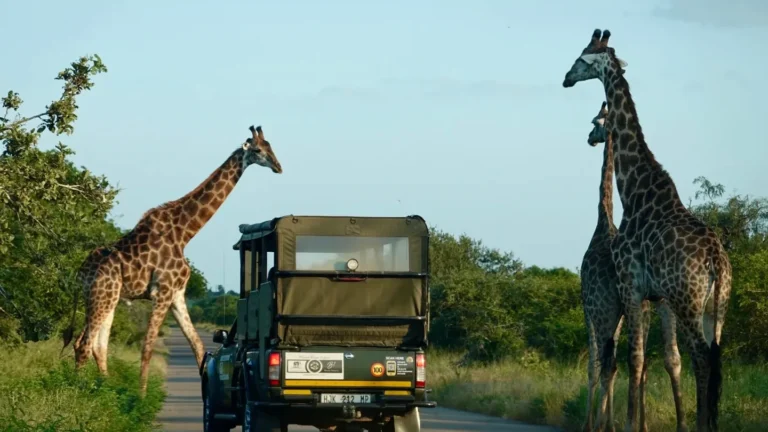
If you take one thing from this guide, make it this: the vehicle is the single biggest factor in your photography, ahead of camera, lens and destination. You need a private vehicle so that when you find a leopard in perfect light, you can stay – hold the position, wait for it to yawn, follow it as it moves – rather than being outvoted by hungry strangers wanting breakfast. On a shared vehicle you photograph on the group's timetable; on a private one, on the animal's. That control is everything.
Beyond private, the type of vehicle matters for the angle. Open-sided vehicles – found mainly in private reserves – let you shoot low and clean, at near eye level with the animal, with no window frame or roof to work around; that low angle is what separates a snapshot from a portrait. A pop-top Land Cruiser is fine and more versatile across parks, but for pure photography an open vehicle in a private reserve is the ideal, as our safari vehicle guide and private vs shared guide explain.
The guide who thinks in light
A great photographic guide is worth more than an extra stop on your lens, because they turn chance into composition. The best ones read animal behaviour to anticipate the moment – the stretch, the yawn, the cubs emerging – and, crucially, position the vehicle for the light, putting the sun behind you and the subject in the golden glow rather than in flat shade. They know which pride is where, which leopard favours which tree, and how to approach without spooking the subject.
So when you book a photography safari, ask specifically for a guide experienced with photographers – one who understands that you'll want to wait, reposition and shoot in silence, not race to the next tick on a list. A patient, photo-minded guide is a genuine multiplier on your results, and a mismatched one – keen to keep moving – will quietly cost you shots all day. This is why the guide is one of the things our saving money on safari guide says never to skimp on.
See photography-focused safaris → Private vehicles, photo-minded guides, and camps placed for the light. Check datesTime and pace
Photography rewards patience, and patience needs time – so a photographic safari should be slow: fewer parks, more nights, the freedom to return to a subject morning after morning. The best wildlife images rarely come from a first, rushed encounter; they come from knowing where a leopard rests and being there at dawn on day three when the light is right. A park-a-day dash, by contrast, gives you a stream of first-encounter snapshots and no time to work a scene.
So build a route that lingers, in the spirit of our slow safari vs more parks guide, and lean toward full-day drives or the flexibility to stay out through the best light rather than returning to camp on a fixed schedule. Give yourself several mornings in one great area and you'll come home with a handful of real photographs rather than a hundred record shots – which is exactly the trade a serious photographer wants.
Where to go
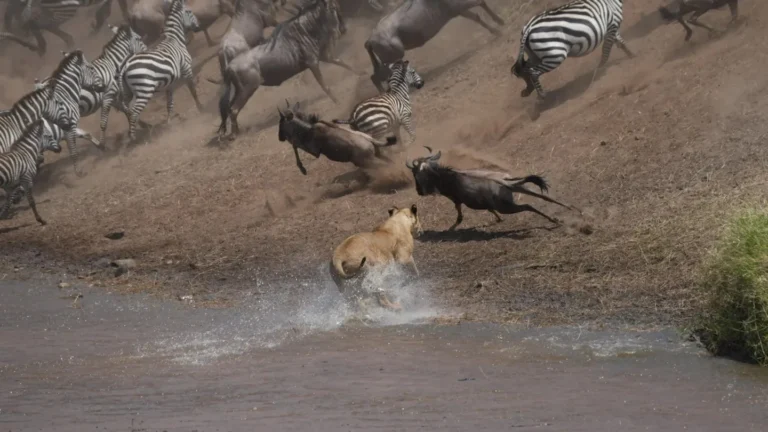
Destination shapes your subjects and your odds. For big cats and the migration, the Maasai Mara and Serengeti are unmatched – the open plains, the density of lions, cheetahs and leopards, and the drama of the crossings. Base in a private conservancy bordering the Mara for uncrowded sightings, off-road access to follow a cat, and open-vehicle, low-angle shooting the main reserve doesn't allow. For elephants with a mountain backdrop, Amboseli and its classic Kilimanjaro compositions are hard to beat.
Beyond the icons, Southern Africa offers superb photography too – South Africa's private Big Five reserves for close, off-road big cats, and specialist leopard destinations for those chasing a single species. The right choice depends on your target subject and how much you value uncrowded, off-road access. Our best safari destinations guide weighs them, and our best time to go guide times it for the dry-season light and the migration.
Want a safari built for photography?
The shot depends on the vehicle, the guide and the light. Tell us your target subjects, dates and budget, and our safari planning team will design a photography-first trip – private vehicle, a photo-minded guide, camps placed for the light – and cost it. No obligation.
What to prioritise, at a glance
Where to spend your effort and budget for photography, in order. The vehicle and guide sit above the gear – that's the whole message.
Photography safari priorities · most to least decisive
A word on gear
Gear matters least of the factors here, but a few practical notes help. A telephoto zoom (something in the 100–400mm range, or longer for birds) covers most wildlife; a second body or a shorter lens is useful for wider, environmental shots. A beanbag to steady the camera on the vehicle door is worth more than a tripod, which is awkward in a 4x4 – ask whether the camp or vehicle provides one. Bring plenty of memory cards and batteries, and a way to charge, since remote camps may have limited power.
Crucially, remember the luggage limit if you're flying between camps – light aircraft cap you at around 15kg in a soft bag, which disciplines how much kit you can bring, as our packing list and fly-in vs driving guides note. But don't over-invest in gear at the expense of the trip itself: a private vehicle and an extra day in the field will do far more for your photographs than a longer lens. Spend on access first, glass second.
Read: the safari vehicle guide → Choosing the vehicle that gets you the low, clean shot. See the guideFive questions to ask before you book
- Is the vehicle private? Non-negotiable for photography – you must control the position and the wait.
- Can I get an open, low vehicle? Private reserves offer the clean, eye-level angle.
- Is the guide used to photographers? Ask specifically – a photo-minded guide is a real multiplier.
- Is the pace slow enough? Fewer parks and full-day drives beat a park-a-day dash.
- What's the light and season? Dry-season golden hours and the right region for your subjects.
So how should you plan it?
A private vehicle and a photo-minded guide, above everything else. They let you hold a position, wait for the moment and shoot in the right light – the difference between snapshots and photographs.
Fewer parks, more mornings, full-day drives, and a region and season that put the wildlife in golden light – the Mara or Serengeti for big cats, a private reserve for uncrowded, off-road, low-angle shooting.
A telephoto zoom, a beanbag, spare cards and batteries, packed within the fly-in weight limit. Good enough. The trip, not the lens, makes the picture – spend on access and time, not more glass.
Plan a photography safari around access and time, not equipment. Get a private vehicle, a guide who thinks in light, a slow route through the right region, and the dry-season golden hours – and a modest camera will bring home images you're proud of. Chase the gear instead of the access, and the best kit in the world won't save the shot you couldn't hold.
Photography-planning guidance and destinations are typical 2026 patterns and vary by operator, season and reserve. Open-vehicle access and off-road rules differ by park and conservancy. Confirm the vehicle, guiding and reserve rules with your operator before booking.
Sources & notes
The primacy of a private vehicle, a photo-minded guide and time over gear is widely shared among wildlife photographers. Open-vehicle and off-road access is set by each park and conservancy; the 15kg soft-bag fly-in limit is standard for light aircraft – confirm the vehicle, guiding and luggage rules with your operator before booking.