Destination guides · Start here
Best African Safari Destinations: Which Country Is Right for You?
There's no single best safari country – there's only the best one for the trip you want. The Big Five roam a dozen nations, and the animals are magnificent in all of them. What actually differs is cost, crowds, ease, and the signature experience each place does better than anywhere else. Pick the country that matches your priorities, not the one with the loudest brochure, and you can't really go wrong.
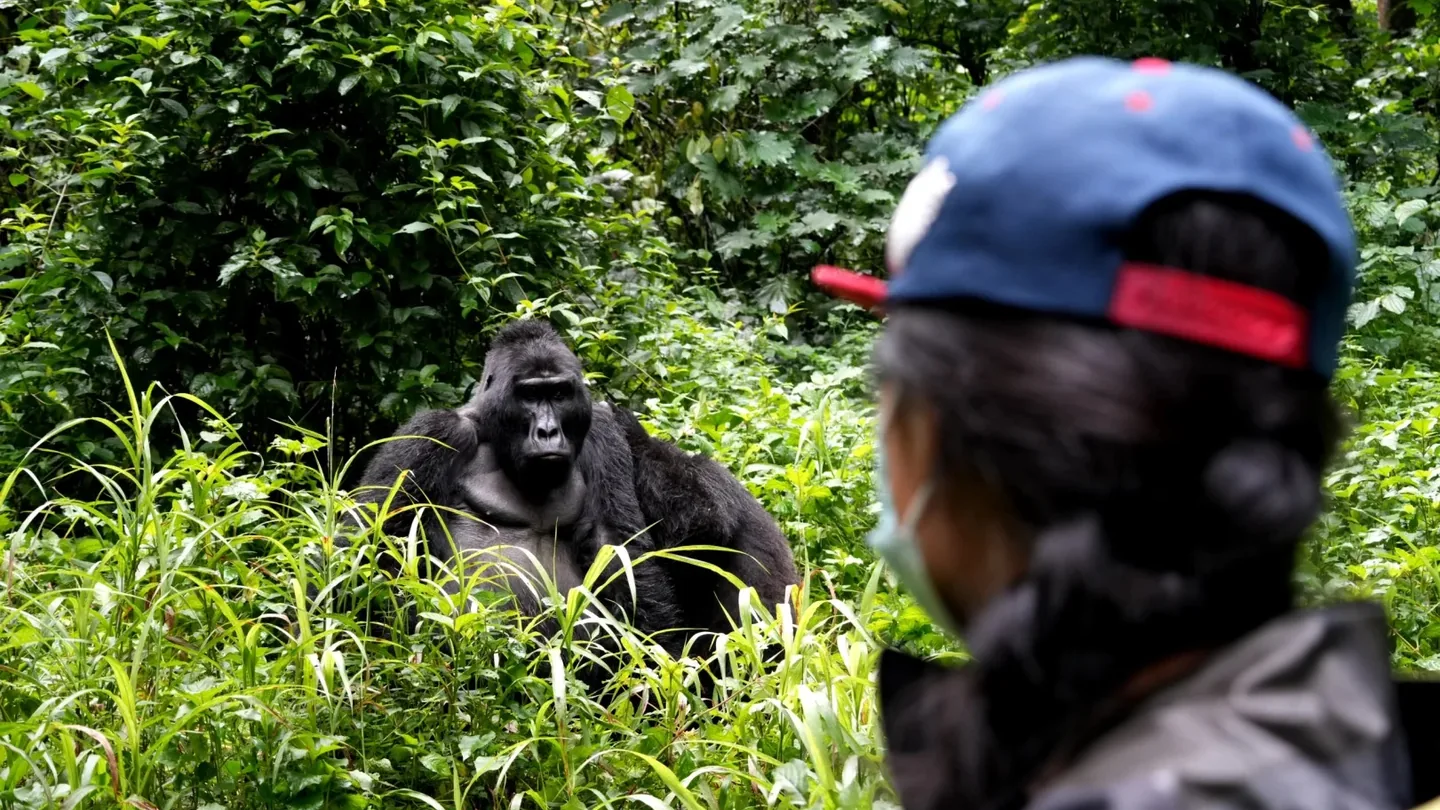
A silverback mountain gorilla in Bwindi Impenetrable Forest – one of Africa's most distinctive wildlife experiences. The Safari Atlas
The quick answer
Kenya and Tanzania are the classic first-safari choices: iconic parks, the Great Migration, strong value and easy logistics. South Africa is the most accessible and affordable, with self-drive options and malaria-free Big Five reserves – ideal for families and nervous first-timers. Botswana is the premium wilderness choice, remote and pricey. Uganda and Rwanda are for one thing above all: gorilla trekking.
For most first-timers we point to Kenya, Tanzania or South Africa. Botswana and the gorilla countries are superb but suit a clearer, more specific reason to go. Match the country to what you most want, and the rest follows.
Key facts
- Kenya: compact, great value, Maasai Mara migration crossings (Aug–Sep); park fees $100–$200 pp.
- Tanzania: vast Serengeti and Ngorongoro; the calving season (Jan–Mar); Serengeti about $83 pp/day.
- South Africa: the most affordable and accessible; self-drive Kruger and malaria-free Big Five reserves.
- Botswana: the Okavango Delta – remote, exclusive, low-volume and premium-priced.
- Uganda & Rwanda: gorilla trekking – permits $800 (Uganda) and $1,500 (Rwanda) in 2026.
- The wildlife is superb everywhere – the choice is about cost, crowds, ease and the signature experience.
How to choose – the framework
Don't start from a country; start from four questions, because the answers point you to the right one almost automatically. What's your budget? South Africa and Kenya offer the best value; Botswana sits at the premium end. How easy do you need it to be? South Africa is the gentlest introduction; the East African parks need a bit more logistics. What's the one thing you most want to see? The migration points to Kenya or Tanzania; gorillas to Uganda or Rwanda; a classic Big Five week to almost anywhere. And are health considerations a factor? South Africa's malaria-free reserves are unique.
Run those four and a shortlist appears. This pillar gives you the overview; the detailed head-to-heads – linked through the sections below – settle the final choice between any two. Everything here assumes it's your first safari and you want a confident decision, the same spirit as our plan-your-first-safari guide.
Kenya and Tanzania – the classic choice
These two share one ecosystem and most first-safari lists, and for good reason: they hold the most iconic parks on earth and the Great Migration that moves between them. Kenya is the compact, value-friendly, easy option – the Maasai Mara, Amboseli under Kilimanjaro, and river crossings in August and September, all on short, road-friendly loops. Tanzania is the bigger, wilder, more expensive one – the endless Serengeti, the Ngorongoro Crater, and the calving season from January to March.
For a first safari on a budget with limited time, Kenya edges it; for scale and the calving, Tanzania. Neither is wrong – they're different textures of the same wild. If you're weighing the two, our full Kenya vs Tanzania comparison and the closer Serengeti vs Maasai Mara piece settle it.
See Kenya and Tanzania safaris → Single-country trips and combined routes across the migration lands. Check datesSouth Africa – the easy, affordable one
If accessibility and value top your list, South Africa is hard to beat – and it's the country we most often suggest for families and cautious first-timers. It's the one place that has scaled the self-drive safari: Kruger and Pilanesberg have paved and gravel roads that let you set your own pace, and park fees are a fraction of East Africa's – Kruger runs around a quarter of the Maasai Mara's daily rate. Comparable Big Five trips here typically cost meaningfully less than in Kenya or Tanzania.
The other trump card is health: South Africa has extensive, high-quality malaria-free Big Five reserves – Madikwe, Pilanesberg, the Eastern Cape, the Waterberg – which Kenya and Tanzania simply can't match, since all their major wildlife areas carry malaria risk. For a first safari with young children or anyone wary of anti-malarials, that's a decisive advantage, as our South Africa vs Kenya comparison spells out.
Botswana – the premium wilderness
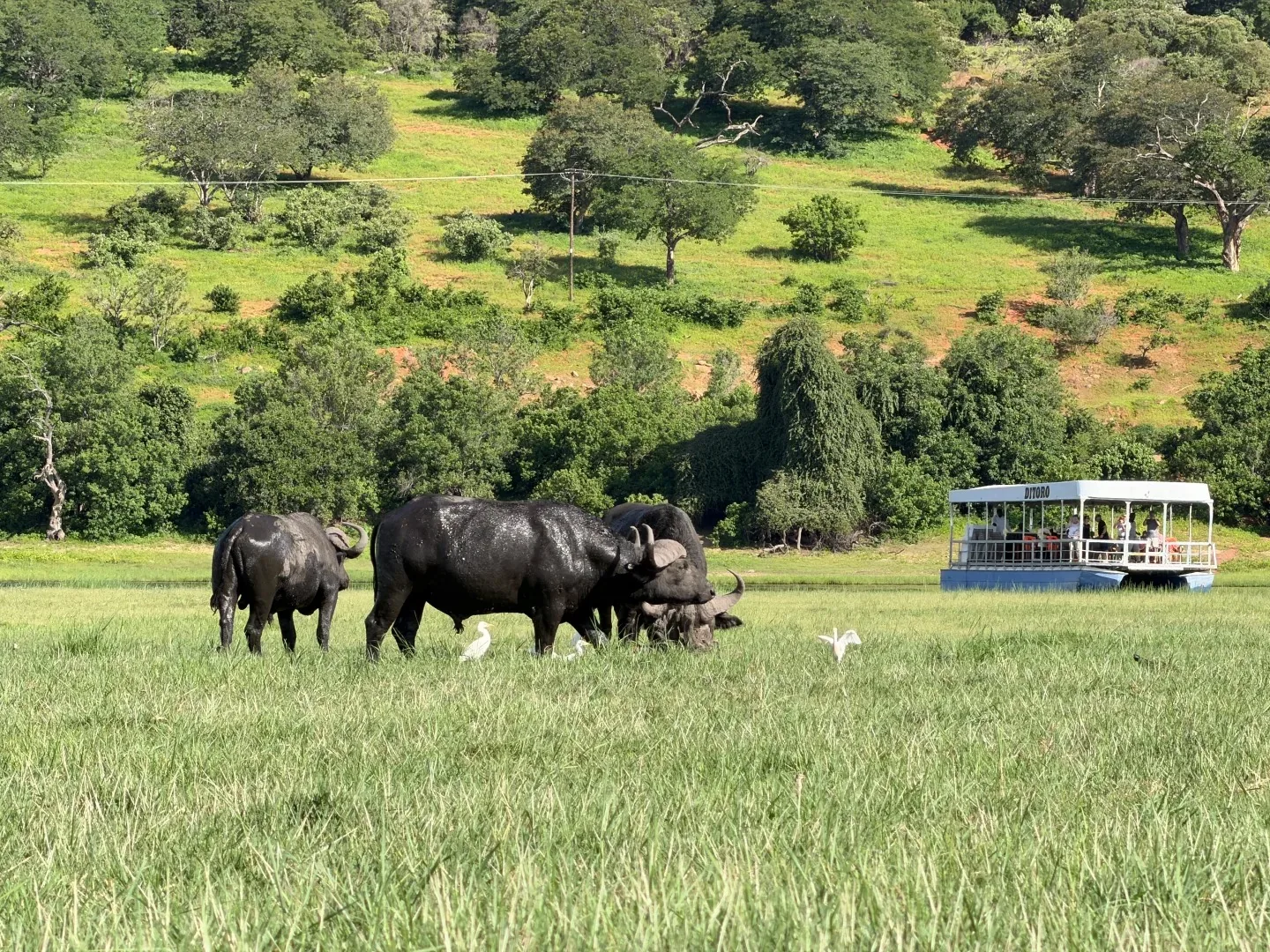
Botswana is the connoisseur's choice, and it's upfront about it. The Okavango Delta and the Chobe are among the most pristine, wildlife-rich and low-density areas in Africa – the country deliberately runs a high-cost, low-volume model, so you pay more but share the wilderness with far fewer people. Fly-in camps, water-based safaris by mokoro, and a genuine sense of remoteness are the draw.
It's rarely our first pick for a first safari purely on cost – the premium is real. But for a honeymoon, a milestone trip, or a second safari where exclusivity and untouched wilderness are the point, Botswana is exceptional. If you're comparing it with the East African giants, our Botswana vs Tanzania guide weighs the trade honestly.
Not sure which country fits your first safari?
Tell us your budget, your dates, and the one thing you most want – the migration, gorillas, a malaria-free family trip, or wall-to-wall wilderness – and our safari planning team will tell you which destination fits and send back a costed outline. No obligation.
Uganda and Rwanda – for the gorillas
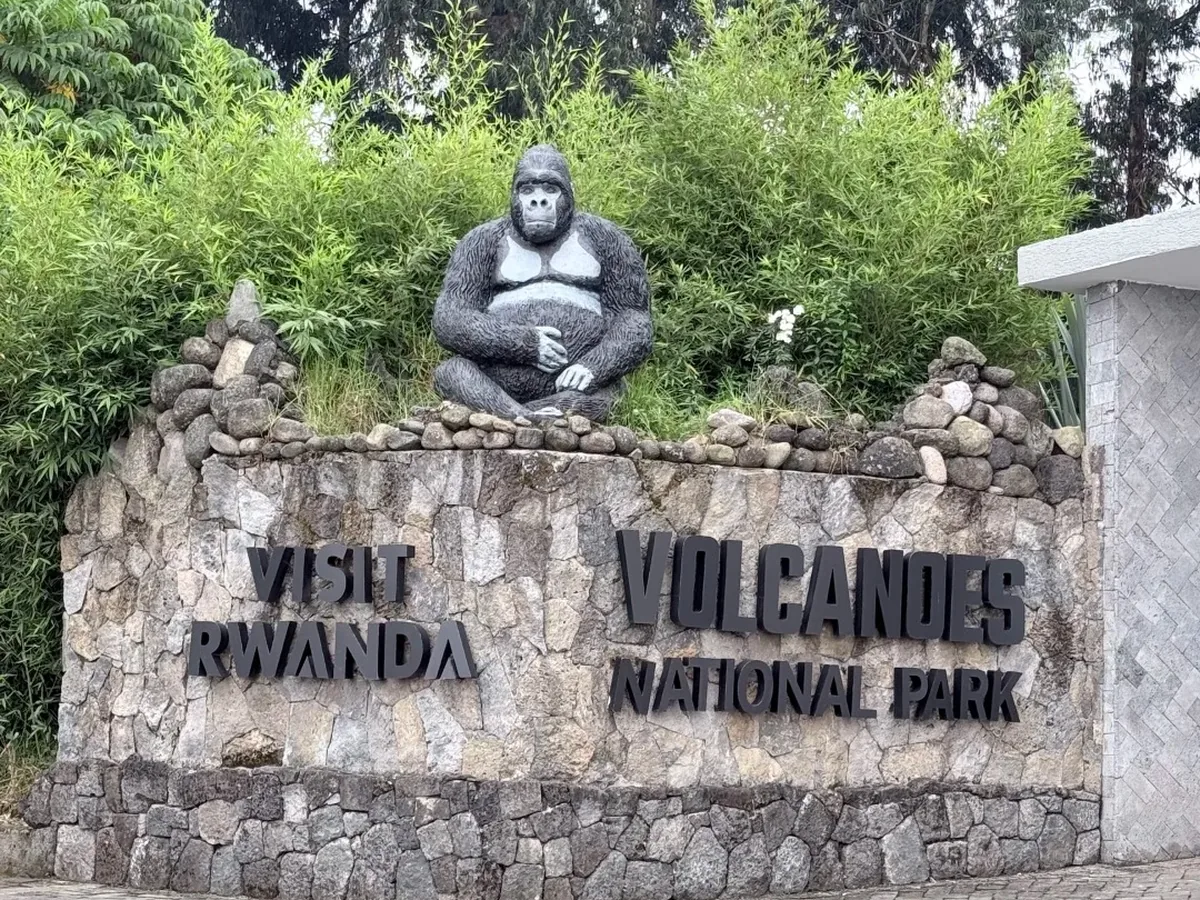
These two belong in a category of their own, because most people go for one unforgettable thing: trekking to mountain gorillas. It's among the most moving wildlife encounters anywhere – an hour on a forested slope with a habituated family. The choice between them mostly comes down to the permit and the journey. Rwanda charges $1,500 per permit and offers polish and proximity: Volcanoes National Park is a scenic three-hour drive from Kigali. Uganda charges $800, roughly half, with the trek in Bwindi in the country's lush south-west, and it also offers a longer habituation experience Rwanda doesn't.
Both countries pair the gorillas with genuine savanna safari too, so a trip can combine the forest with the plains. If gorillas are your reason to go, the decision is really Uganda's value against Rwanda's ease – our Uganda vs Rwanda gorilla guide takes it apart in full.
The destinations at a glance
Here's the whole field on one screen – what each country does best, and where it sits on cost. Skim the "best for" column first; it's the fastest route to your shortlist.
Safari destinations compared · 2026
| Country | Best for | Cost |
|---|---|---|
| South Africa | Value, families, malaria-free | Lowest |
| Kenya | Value, the Mara crossings | Low–mid |
| Tanzania | Scale, Serengeti, calving | Mid–high |
| Uganda / Rwanda | Gorilla trekking | Permit-led |
| Botswana | Remote luxury wilderness | Highest |
Five questions to settle your destination
- What's my budget? South Africa and Kenya offer the best value; Botswana is the premium end.
- How easy does it need to be? South Africa's self-drive is the gentlest start; East Africa needs more logistics.
- What's the one thing I most want? Migration means Kenya or Tanzania; gorillas mean Uganda or Rwanda.
- Is malaria a concern? Only South Africa offers malaria-free Big Five reserves – key for young families.
- Value or exclusivity? Kenya and South Africa for value; Botswana for remote, low-volume wilderness.
So which should you choose?
For the easiest, most affordable first safari – especially with kids. Self-drive options, malaria-free Big Five reserves, and strong value make it the gentlest, safest introduction.
For the classic safari and the Great Migration. Kenya for value and compact ease; Tanzania for scale and the calving. The default first-safari answer for most travellers.
For a specific dream: gorilla trekking in Uganda or Rwanda, or remote, exclusive wilderness in Botswana's Okavango. Superb trips when you have a clear reason to go – less so as a default.
Lead with your priorities, not the postcards – the wildlife is glorious in every one of these countries, so let budget, ease and your one must-see make the call. Once you've narrowed it to two, the detailed comparisons linked above will finish the job. Next in your planning: when to go, which often decides the country for you.
Country characteristics, fees and permit prices are typical 2026 figures and vary by park, season and operator. Park fees and gorilla permits follow official schedules current at July 2026. Confirm current rates and inclusions with your operator before booking.
Sources & price notes
Destination costs and characteristics are typical 2026 figures that vary by operator, season and route. Park fees follow the TANAPA (Serengeti), Maasai Mara (Narok County) and SANParks Kruger schedules. Gorilla permit prices ($800 Uganda, $1,500 Rwanda) follow the Uganda Wildlife Authority and Rwanda Development Board. Figures move with season and operator – confirm current rates before booking.