Destination guides · Zambia
South Luangwa Safari Guide: The Home of the Walking Safari
If you want to feel a safari rather than just watch one, South Luangwa is the place. This is where the walking safari was born, and it remains, in our view, the finest in Africa – on foot, with an armed guide, tracking wildlife the old way. Add some of the best leopard sightings on the continent, a river thick with hippo, and guiding that, in our view, ranks among Africa's best, and you have a connoisseur's park that still flies delightfully under the radar.
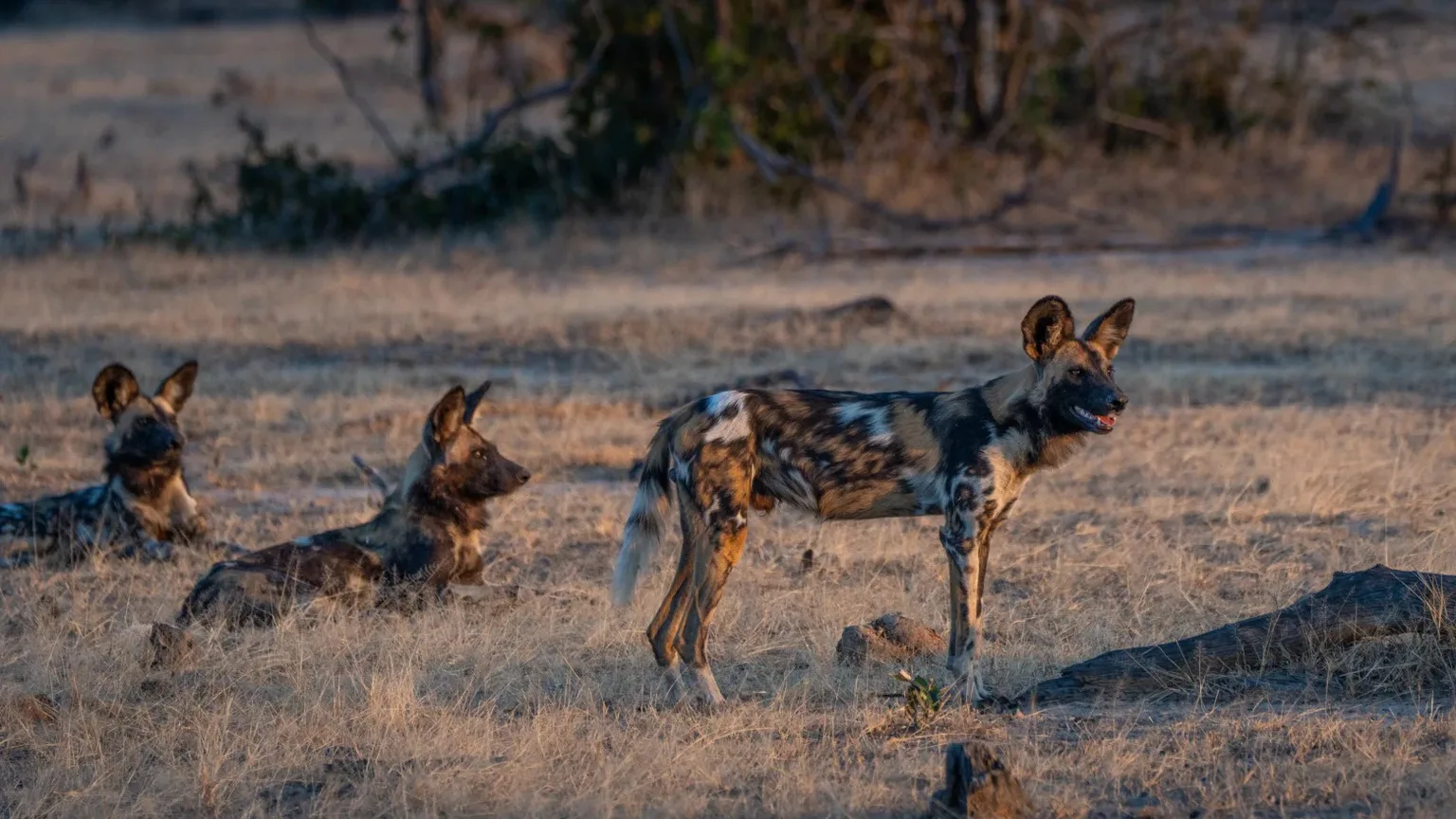
African wild dogs pause on open ground in South Luangwa National Park. The Safari Atlas
The quick answer
South Luangwa is Zambia's premier park, famous as the home of the walking safari and one of the best places in Africa for leopard, especially on night drives. The park fee is about $25 per person per day for international visitors (roughly $30 for self-drivers), it's reached by a short flight or long drive, and its guiding we’d rate among the finest on the continent.
Go in the dry season, roughly May to October, when the wildlife concentrates along the Luangwa River and walking safaris run. The green "emerald season" (November to March) is lush, birdy and cheaper, with boating – but some camps close and walking is limited.
Key facts
- The draw: the original and best walking safaris, superb leopard sightings, and top-rated guiding.
- Park fee: about $25 per person per day for international visitors (roughly $30 for self-drivers).
- Access: a short scheduled flight to Mfuwe, or a long overland drive – then into the park.
- Best time: dry season (May–Oct), when game concentrates on the river and walking safaris run.
- Wildlife: leopard, lion, elephant, huge hippo numbers, plus endemic Thornicroft's giraffe – but no rhino.
- Night drives allowed – a big part of the leopard reputation; the green season is cheaper but limited.
What South Luangwa is like
South Luangwa is built around the Luangwa River, a broad, meandering, ever-shifting waterway that is the park's lifeblood and the axis around which everything turns. Its oxbow lagoons, sandbanks and riverine forest hold extraordinary densities of wildlife, and the river itself teems with some of the largest concentrations of hippo and crocodile in Africa. Away from the water lie mopane woodland and open plains, but it's the river frontage that defines the game viewing.
It's a remote, wild and relatively uncrowded park – far off the mass-tourism circuit, with a reputation among safari aficionados as one of the continent's very best. The atmosphere is intimate and old-school, the camps small and often owner-run, and the emphasis is firmly on the quality of the wildlife experience and the guiding rather than luxury for its own sake. For travellers who've done the icons and want something wilder and more expert, South Luangwa is a revelation, in the spirit of the specialist trips in our safari styles guide.
The walking safari
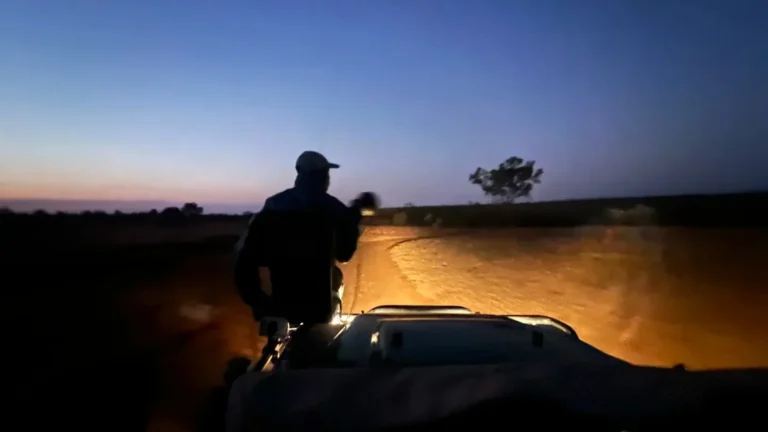
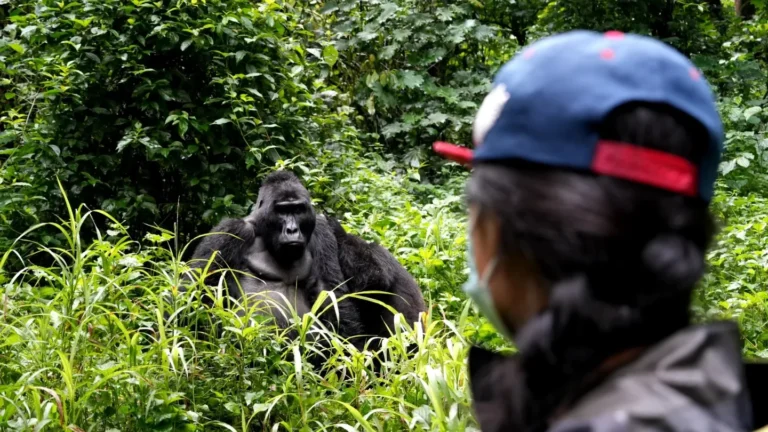
South Luangwa's greatest claim is that the modern walking safari began here, pioneered in the 1960s, and it remains the finest place in Africa to do one. On foot, with an armed ranger and an expert guide, you experience the bush at ground level and human pace – reading tracks, learning the small things a vehicle rushes past, feeling the genuine thrill of sharing the wilderness with big animals on their terms. It's a completely different, more visceral kind of safari, and for many the highlight of any trip here.
Walking safaris are a dry-season activity (roughly May to October), when the ground is firm and the grass low, and they're best in a park like this with the guiding culture and the wildlife density to support them. If a bush walk is on your list, South Luangwa is the place to do it properly – the destination our safari styles and typical safari day guides point walking enthusiasts toward. Pair it with the park's celebrated night drives, and you have a range of ways to experience the wild that few parks match.
Compare walking safaris with other safari styles → See how guided walks differ from game drives, fly-in trips and other safari formats. Compare stylesThe wildlife and leopards
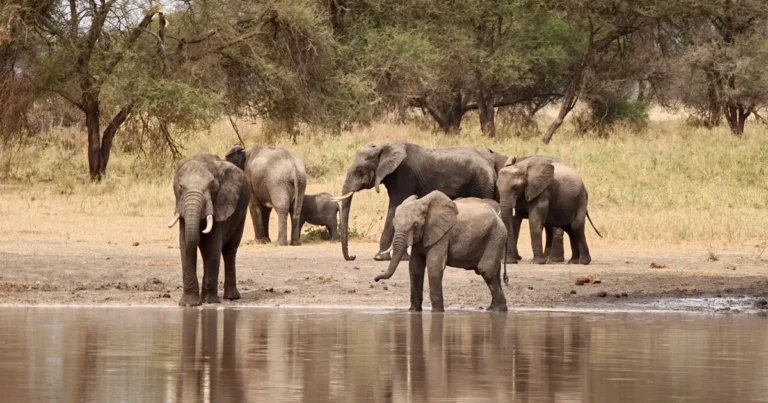
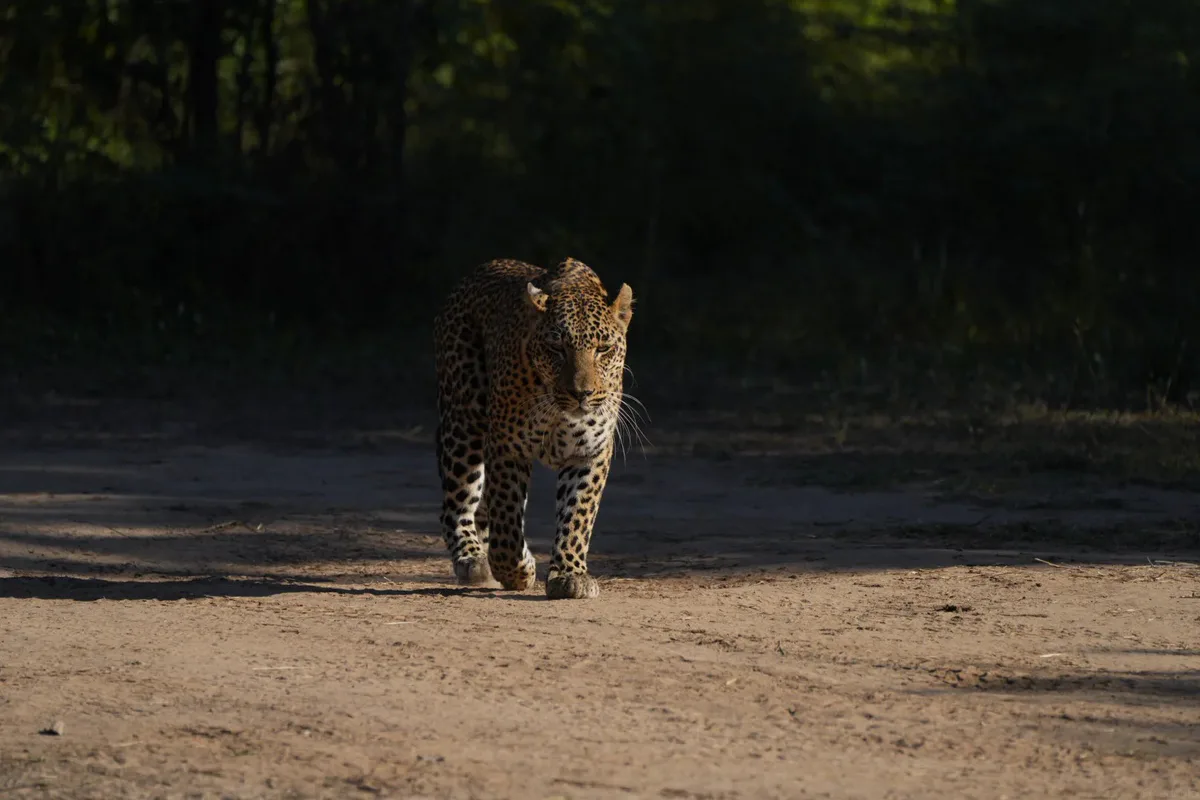
South Luangwa's wildlife is superb, and its leopards are legendary. The combination of high leopard density, riverine habitat and – crucially – permitted night drives makes this one of the very best places on earth to see these elusive cats, often out hunting after dark under a spotlight. Alongside them roam lion, elephant (in big herds), buffalo, and the park's huge hippo population, plus specialities like the endemic Thornicroft's giraffe and Cookson's wildebeest found nowhere else.
The birdlife is exceptional too, especially in the green season. One honest note: South Luangwa has no rhino (poached out decades ago), so like Etosha it isn't a full Big Five park – you'll see four of the five, minus rhino. But for leopard above all, plus the density and quality of the general game viewing and the guiding that finds it, few parks in Africa compare. If leopards or walking are your passion, this is a destination to build a trip around, not just a stop.
Best time to go
South Luangwa is at its best in the dry season, roughly May to October. As the land dries, wildlife concentrates along the Luangwa River and its lagoons, game viewing gets easier and richer toward the September–October peak, walking safaris run on firm ground, and the night drives that make the leopard-watching so good are in full swing. It's the classic, most rewarding time – and the busiest and priciest, though "busy" here is relative to this uncrowded park.
The green emerald season, roughly November to March, is the wet summer: lush and dramatically green, superb for birding as migrants arrive, with newborn animals and lower prices, and boating possible as the river rises. The trade-offs are real, though – some camps close, walking is limited or suspended, roads can be tricky, and the wildlife disperses. For the full South Luangwa experience – walking, leopards, concentrated game – go in the dry season; for green scenery, birds and value, the emerald season is a specialist's delight, as our green season guide notes.
Want a South Luangwa trip built around walking and leopards?
South Luangwa rewards timing and the right camp. Tell us your dates and what you most want – walking safaris, leopards, or a wilder second safari – and our safari planning team will build a costed Zambia itinerary to match, fly-in transfers included. No obligation.
South Luangwa by season · 2026
Cost, fees and getting there
South Luangwa is good value at the gate: the park fee is about $25 per person per day for international visitors (roughly $30 for self-drivers), a fraction of East Africa's charges – though the camps themselves, being remote and small, sit across the usual budget-to-luxury range, so the overall trip cost depends on where you stay. As a wild, fly-in destination it's not a bargain-basement safari, but the fees keep it accessible and the value-for-experience is excellent.
Access is usually by a short scheduled flight to Mfuwe, the gateway airstrip, from Lusaka or another hub, followed by a transfer into the park; the alternative is a long overland drive, which suits self-drivers and the adventurous. Because it's remote and the camps are small, book ahead for the dry season. Confirm, as ever, that park fees are included in your quote – a real line on any safari, as our hidden costs guide stresses. For where South Luangwa fits among the continent's parks, see our best safari destinations guide.
Where to stay
South Luangwa's camps are its charm: mostly small, intimate and often owner-run, strung along the river inside and around the park, with an emphasis on excellent guiding and genuine wilderness over five-star gloss (though luxury options exist). Many run seasonal bush camps deep in the park – simple, remote and perfect for walking safaris – alongside more permanent riverside lodges. The park is also known for camps that specialise in walking, so if that's your goal, choose one built around it.
Our hill to die on: in South Luangwa, skip the plushest lodge and put the money into a walking-focused bush camp with a top guide. Here the guiding, not the thread count, is what you’re paying for – and it’s the best in Africa at it. If wall-to-wall comfort is what you came for, that logic doesn’t apply to you.
As everywhere, position along the river and the quality of the guiding matter more than polish here, the principle from our accommodation guide – and in a park famed for its guides, that guiding is a large part of what you're booking. A classic South Luangwa trip often combines a main riverside camp with a night or two at a remote walking bush camp for the full range. Book the dry-season dates well ahead, as the best camps are small and popular.
Compare safari lodges by budget → Use the accommodation guide to compare camp styles and spending levels. Compare lodgesFive questions to ask before you visit
- Is walking or leopard my draw? If so, South Luangwa is the place – and both are dry-season activities.
- Which season? Dry (May–Oct) for walking, night drives and concentrated game; emerald for birds and value.
- Do I want night drives? They're a big part of the leopard reputation – and run in the dry season.
- Do I need rhino or buffalo? No rhino here, so not full Big Five – pair it if that matters.
- Have I chosen a walking-focused camp? Some camps specialise in it – pick one if that's your goal.
So when should you visit?
For the full South Luangwa – walking safaris, celebrated night drives, concentrated riverside game and the best leopard viewing in Africa. The classic time, at its peak in September and October. Busiest, but worth it.
For a lush, green, birdy park at lower prices, with boating as the river rises – the trade being that some camps close and walking is limited. A specialist's season for photographers and birders, not the classic experience.
Whenever you go, South Luangwa suits the traveller who's done the icons and wants something wilder, more expert and more active – walking, leopards, superb guiding. Build a trip around it rather than treating it as a stop.
South Luangwa is a park for people who want their safari on foot, at eye level, and led by some of the best guides in Africa – with leopards thrown in after dark. Go in the dry season for the walking and the cats, choose a camp built around your priority, and come with a sense of adventure. It's not the busiest name in African safari, and that's exactly the point.
Fees, access and timings are typical 2026 figures and vary by operator and season. The park fee follows the Zambia Department of National Parks and Wildlife schedule. Walking-safari availability and camp openings depend on the season. South Luangwa has no rhino. Confirm current fees, camp openings and inclusions with your operator before booking.
Sources & price notes
South Luangwa park-fee, wildlife and best-time details are typical 2026 figures; the park fee follows the Zambia Department of National Parks and Wildlife schedule. The park fee (about $25 per international visitor per day, roughly $30 for self-drivers) follows the Zambia Department of National Parks and Wildlife / Zambia Tourism schedule. Walking availability and camp openings are seasonal; South Luangwa has no rhino. Confirm current fees, camp openings and inclusions with your operator before booking.