Planning guides · Packing
Safari Packing List: What to Pack & Wear in 2026
Most safari packing mistakes are the same three: too much luggage, the wrong colours, and forgetting the one bag rule that trips up first-timers – the 15kg soft-bag limit on bush flights. Get those right and the rest of the list is short, sensible, and lighter than you think.
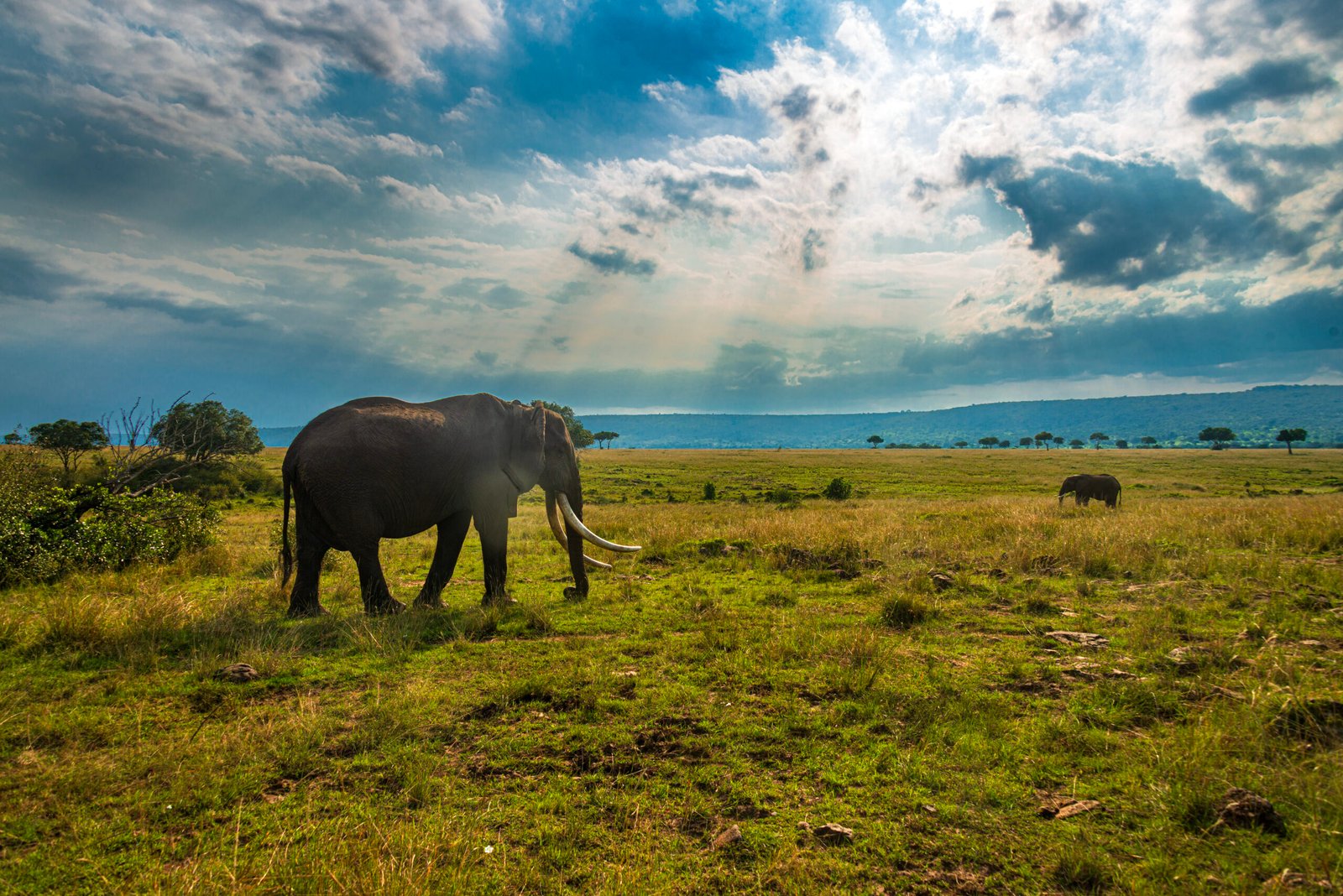
Neutral colours, layers, and a soft bag – the three rules that cover most of a safari packing list.
The quick answer
Pack neutral colours (khaki, olive, brown, beige), dress in layers for cold dawns and hot middays, and use a soft duffel, not a hard case – light aircraft between camps often cap checked luggage at around 15kg. Avoid bright colours, white (shows dust) and camouflage (restricted for civilians in several countries).
The gear that earns its place: binoculars, a wide-brim hat, sunscreen, insect repellent, a light rain layer in green season, and any medication and adapters. Most camps do laundry, so pack less than instinct suggests.
Key facts
- Colours: khaki, olive, brown, beige. Avoid bright colours, white, and camouflage (restricted for civilians in some countries).
- Layers: game drives can start near-freezing at dawn and be hot by mid-morning – same vehicle, same morning.
- Luggage: bush flights often limit checked bags to ~15kg in a soft-sided duffel; hard cases may be refused.
- Bring: binoculars, wide-brim hat, sunglasses, sunscreen, insect repellent (DEET/picaridin), refillable water bottle.
- Evenings: long sleeves and trousers plus repellent help against mosquitoes after dusk.
- Laundry: most camps offer it, so you can pack fewer clothes than you think.
What colours to wear (and avoid)
Colour does real work on safari. Neutral, earthy tones – khaki, olive, brown, beige – blend into the bush, hide the dust that gets into everything, and don't startle wildlife. They're the uniform for a reason, and they photograph well too.
What to avoid is just as important. Bright colours and especially white stand out to animals and show dirt within an hour. Dark blue and black are best skipped in tsetse-fly areas, as those colours are known to attract them. And leave the camouflage at home entirely – wearing military-pattern clothing is restricted for civilians in several African countries and can cause real problems at borders and checkpoints.
Colours: do and don't
Wear
- Khaki, olive, tan, brown, beige
- Soft greens and muted earth tones
- Light, breathable natural fabrics
Avoid
- Bright colours and white (shows dust)
- Dark blue / black in tsetse areas
- Camouflage (restricted for civilians)
Why layers matter
The single most useful packing principle for a safari is layering, because a single game drive can swing through a startling temperature range. A dawn departure can be genuinely cold – near-freezing in the dry-season winter – and the same drive can be hot enough for a t-shirt by mid-morning, all without leaving the open vehicle.
So build outfits you can add to and shed: a base layer, a fleece or light jumper, and a windproof jacket for the early chill, over the neutral shirts and trousers you'll strip back to as the sun climbs. A buff or scarf for dust and warmth, and a light hat, round it out. Nail the layering and you're comfortable from the 5am wake-up to the midday siesta.
The bush-flight luggage limit
This is the rule that catches first-timers, and it's non-negotiable when it applies. Light aircraft flying between camps – standard on many Serengeti, Okavango and remote itineraries – typically cap checked luggage at around 15kg (about 33lb) in a soft-sided bag, well below what your international flight allowed. Hard-shell suitcases are often refused outright because they won't fit the hold.
Pack a soft duffel, weigh it before you go, and lean on the fact that most camps offer laundry – you genuinely need fewer clothes than instinct says. If your trip involves internal flights, confirm the exact allowance with your operator, since it varies by aircraft and route. Overpacking here isn't just awkward; it can mean repacking on the tarmac or paying for a spare seat.
Not sure what your trip needs?
Tell us your destination, dates and whether you'll be on any light aircraft. Our safari planning team will tailor a packing steer to your exact route – season, luggage limits and all – alongside a costed itinerary. No obligation.
Clothing checklist
Clothing
- 3–4 neutral t-shirts / short-sleeve shirts
- 2 long-sleeve shirts (sun and mosquito protection)
- 2 pairs lightweight trousers + 1 pair shorts
- Fleece or jumper and a windproof jacket for cold dawns
- Light rain layer (green season)
- Comfortable closed shoes + sandals for camp
- Wide-brim hat, buff/scarf, swimwear if your camp has a pool
That's roughly it for a week – most camps do laundry, so doubling up is usually unnecessary. Add a smarter-casual outfit only if your itinerary includes a city night at the start or end.
Gear and essentials
Gear & essentials
- Binoculars (the one item guests most regret leaving)
- Camera, spare batteries, memory cards, charger
- Sunscreen (high SPF), lip balm, sunglasses
- Insect repellent (DEET or picaridin)
- Any prescription medication + a small first-aid kit
- Refillable water bottle, universal power adapter, power bank
- Malaria tablets if prescribed, plus your yellow card if you have one
Binoculars are the item worth stressing: a decent pair transforms every sighting, and there's rarely a spare in the vehicle for everyone. For the health items, sort them at a travel clinic first – see our vaccinations and malaria guide for what to ask.
See recommended safari gear → Binoculars, soft duffels and neutral kit that actually earns its place. Shop the listWhat you can leave at home
Half of packing well is not packing badly. Leave the hard suitcase (bush flights), most of your wardrobe (camps do laundry), camouflage (restricted), brand-new boots (you're mostly in a vehicle – comfortable, worn-in shoes beat heavy hiking boots for most trips), and the giant zoom lens unless photography is your whole purpose.
Also skip heavy toiletries – camps supply the basics – and anything valuable you'd hate to lose to dust or a small hold. The goal is a light, soft, neutral bag you can sling into a Cessna without a second thought. When in doubt, leave it out; you'll miss almost nothing on safari except the binoculars you didn't bring.
Read: vaccinations & malaria → The health items that belong in your carry-on, sorted at a clinic first. See the guideFive questions to settle before you pack
- Will I be on any light aircraft? If yes, plan for the ~15kg soft-bag limit from the start.
- What season am I travelling? Green season needs a rain layer; dry-winter dawns need real warmth.
- Does my camp do laundry? Almost all do – which means packing far fewer clothes.
- Have I got binoculars? The one thing guests most regret forgetting.
- Have I sorted meds and repellent? Prescriptions, malaria tablets and DEET/picaridin belong in the carry-on.
The bottom line
A good safari packing list is short by design: neutral colours, layers for the temperature swings, a soft duffel inside the bush-flight limit, and a tight kit of binoculars, sun and insect protection, and your health essentials. Everything else is optional, and most of it you'll be glad you left behind.
Pack for the vehicle and the small plane, not for every hypothetical – and remember the laundry. Do that, and you'll travel light, stay comfortable through the dawn chill and midday heat, and never once wish you'd brought that extra bag.
Luggage limits, seasonal conditions and clothing rules vary by operator, aircraft and country and change over time. Confirm your exact baggage allowance and any restrictions with your operator before you travel.