Planning guides · Pace
One Lodge for Four Nights vs Moving Every Two
The itch to see everything is the enemy of a good safari. Faced with a week and four famous parks, most first-timers try to fit them all in, then spend half the trip in transit and arrive home exhausted. The quieter truth is that staying put – four nights in one great area – often delivers more wildlife, and far more joy, than a park-a-day dash. The right pace isn't about covering ground. It's about being there when things happen.
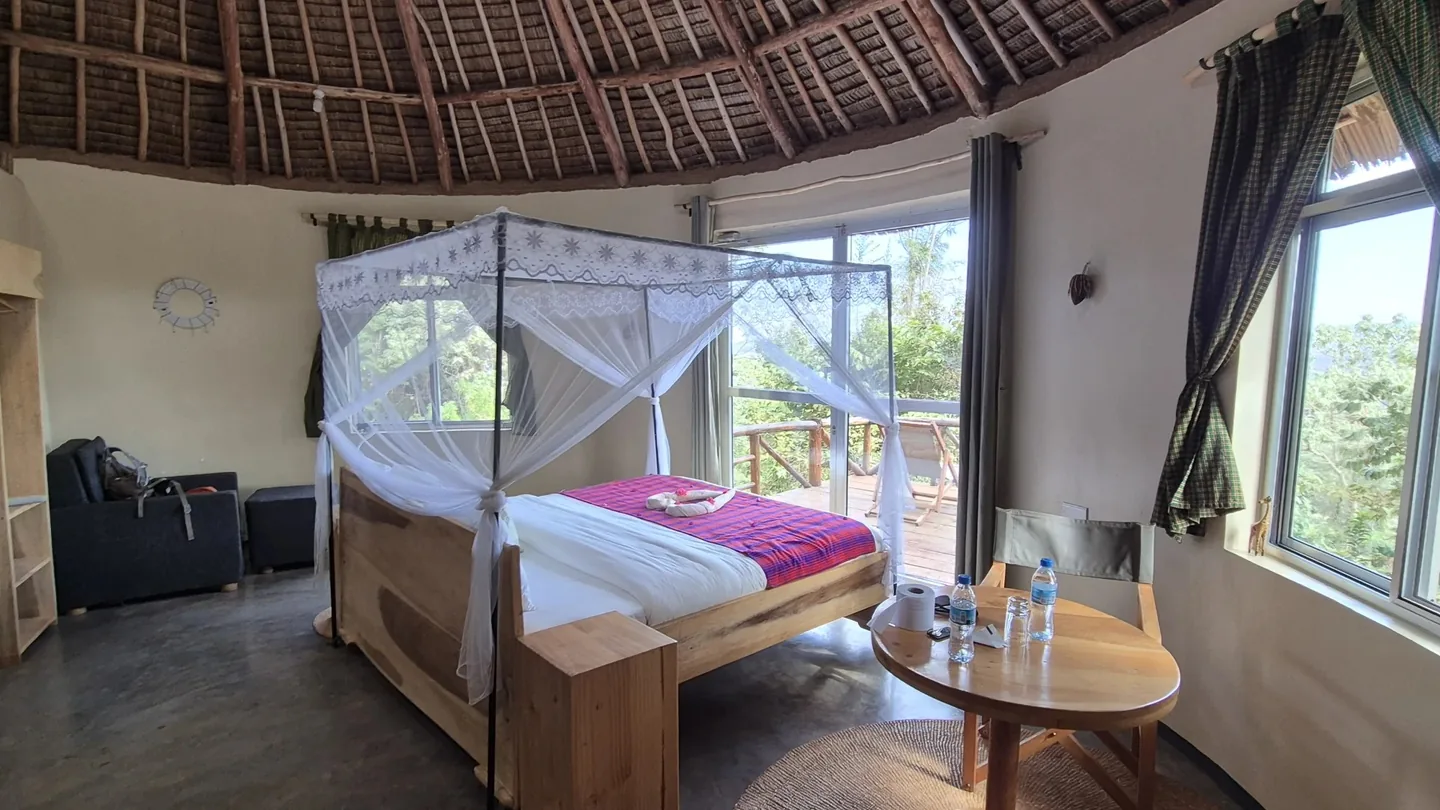
Staying longer lets the camp become a base rather than another stop to unpack. The Safari Atlas
The quick answer
Staying longer in fewer places – say four nights in one great area – usually beats moving every two, and not just for comfort. You lose fewer days to transfers, your guide gets to know the ground and the animals, and you're present when a sighting unfolds rather than driving past. Moving more makes sense only when you specifically want contrast – different habitats or a change of scene.
Our steer: default to slow, especially in a big, wildlife-rich area. Add movement with intent – for genuinely different ecosystems – not to tick more parks off a list.
Key facts
- Moving costs days: each relocation eats transfer time and, often, a set of park fees.
- Staying builds knowledge: your guide learns the ground, the water, and where the animals are.
- Fewer, longer stays raise your odds of major sightings by putting you in one place at the right hour.
- Move for contrast, not count: a different habitat is worth relocating for; a fifth similar park isn't.
- A rough rule: at least 2–3 nights per area; 4 in a big, rich region like the Serengeti or Mara.
- Single-night stops are the worst of both worlds – more packing than wildlife.
The hidden cost of moving
Every time you relocate, you pay a tax you don't see on the itinerary: transfer time. A road move between areas can eat most of a day; even a bush flight burns a morning by the time you've packed, done the airstrip shuffle at each end, and settled into the new camp. Move every two nights across a week and you can lose two or three of your seven days to logistics – days you thought you were spending on wildlife but actually spent in transit or repacking.
There's a money cost too: new areas often mean new park fees, so a park-a-day route quietly stacks up gate charges as well as travel. This is the "cramming in too many parks" trap our itinerary-building guide flags as the commonest planning mistake – the ambition to see it all ends up costing you the very time you came for.
The case for staying put
Staying four nights in one great area is not the lazy option – it's often the wildlife-richer one, for reasons that surprise people. First, you keep all your game-drive time instead of donating it to transfers. Second, your guide gets to know the ground: which pride is denning where, where the leopard rests, which crossing the herds are drifting toward – local knowledge that compounds over days and finds you far more than a fresh guide in a new park could. Third, you're simply present – there when a hunt unfolds at dawn, not two hours away on a transfer.
The softer benefits are real too: you settle into the rhythm of a place, sleep in the same bed, unpack once, and let the safari become restful rather than a route march. For most first-timers, a slower trip is both more relaxing and, counterintuitively, better for sightings – which is why our itinerary-building guide makes "fewer places, more nights" a core rule.
See slow-safari itineraries → Fewer camps, more nights – deeper time in the best areas. Check datesWhen moving is worth it
None of this means never move – it means move for the right reason. The good reason is contrast: genuinely different habitats and wildlife that one area can't give you. Pairing the elephant-and-mountain scenery of Amboseli with the big-cat plains of the Mara, or the Ngorongoro Crater with the endless Serengeti, is worth the transfer because each place offers something the others don't. That variety is a large part of what makes a safari memorable, and it's exactly what a well-sequenced route delivers.
The bad reason is count – adding a fourth or fifth park simply because it's famous, when it largely duplicates what you've already seen. That's when moving becomes a treadmill: more fees, more transfers, more packing, and diminishing wildlife returns. So the test before every relocation is simple: does this next place offer something genuinely different, or just more of the same? If different, move; if not, stay, as our how many days on safari guide argues.
Slow vs moving · where your week goes
| Factor | Stay (4 nights) | Move (every 2) |
|---|---|---|
| Game time | More | Less (transit) |
| Guide knowledge | Deepens | Resets each move |
| Variety | One habitat | More contrast |
| Cost | Fewer fees | More fees, flights |
| Best for | Rich single areas | Genuinely different habitats |
Not sure how fast to pace your safari?
The right pace depends on your days, your areas and whether you want depth or variety. Tell us your route ideas and how long you have, and our safari planning team will build an itinerary paced to your priorities – slow, varied, or a smart mix – and cost it. No obligation.
A simple pace rule
Here's a rule you can plan by: give every area at least two to three nights, and a big, wildlife-rich region like the Serengeti or the Maasai Mara a full four if you can. Two nights is the practical minimum to get a settling-in evening, a full day, and a departure morning; a single night is the worst of all worlds, delivering more packing than wildlife and no real chance to know the place.
Then let contrast, not ambition, decide how many areas you visit. A seven-night trip is usually better as two areas at three-and-four nights than four areas at under two each. If a fifth park doesn't offer something genuinely new, drop it and give the days to the areas you're keeping. This is the "cut a park, add a night" discipline that quietly makes safaris better, straight from our itinerary-building guide.
The best of both
You don't have to choose one philosophy for the whole trip. The best itineraries blend the two: a slow, four-night stay in the star area – where staying put pays off most – paired with a shorter stop in a genuinely different habitat for contrast. That way you get the depth and settled rhythm of a slow safari where it matters, and one deliberate change of scene, without the treadmill of moving constantly.
Think of pace as a lever you pull differently at each stop, not a single setting for the whole trip. Anchor on the rich area, add a contrasting one or two, and skip anything that merely duplicates. Done that way, a safari feels both deep and varied – the balance a well-built route strikes, as our how to build a safari itinerary pillar sets out.
Read: how to build a safari itinerary → Sequencing and pacing a route that flows. See the guideFive questions to ask about pace
- How many days will transfers eat? Count the transit each move costs before you add it.
- Does the next area offer something different? Contrast is worth moving for; more of the same isn't.
- Am I giving each area enough nights? Two to three minimum; four in a big, rich region.
- Any single-night stops? Cut them – they're more packing than wildlife.
- Could I cut a park and add a night? Usually yes, and usually better.
So which pace should you choose?
Four nights in one great area beats moving every two, for most trips. More game time, a guide who knows the ground, and the joy of being present when things happen – plus a more restful holiday.
Relocate when the next area offers something truly different – a new habitat, distinct wildlife, a change of scene. That variety is worth the transfer; a fifth similar park is not.
Anchor on a slow, four-night stay in the star area and add one deliberate contrasting stop. Depth where it counts, variety where it's new – and no single-night dashes.
Resist the urge to see everything. On safari, staying put is often the richer choice – more wildlife, more knowledge, more joy – and movement earns its place only when it buys genuine contrast. Give each area the nights it deserves, cut anything that merely repeats, and your trip will feel deeper for doing less.
Pace guidance is typical 2026 best practice and varies by destination, route and how transfers are handled. Confirm transfer times, park fees and camp minimum-stays with your operator before booking.
Sources & notes
The fewer-places-more-nights principle and the two-to-four-night-per-area guideline are widely used pacing guidance. Transfer times and fees vary by route – confirm the specifics of any itinerary with your operator before booking.