Safari costs · Value
Where to Cut Safari Costs Without Ruining the Trip
There's a right way and a wrong way to make a safari cheaper. Move your dates and share a vehicle and you'll barely notice the saving in the experience. Cut a night in the headline park or skimp on the guide and you'll feel it every day. The skill isn't spending less – it's knowing which cuts are invisible, which are risky, and which quietly wreck the whole trip.
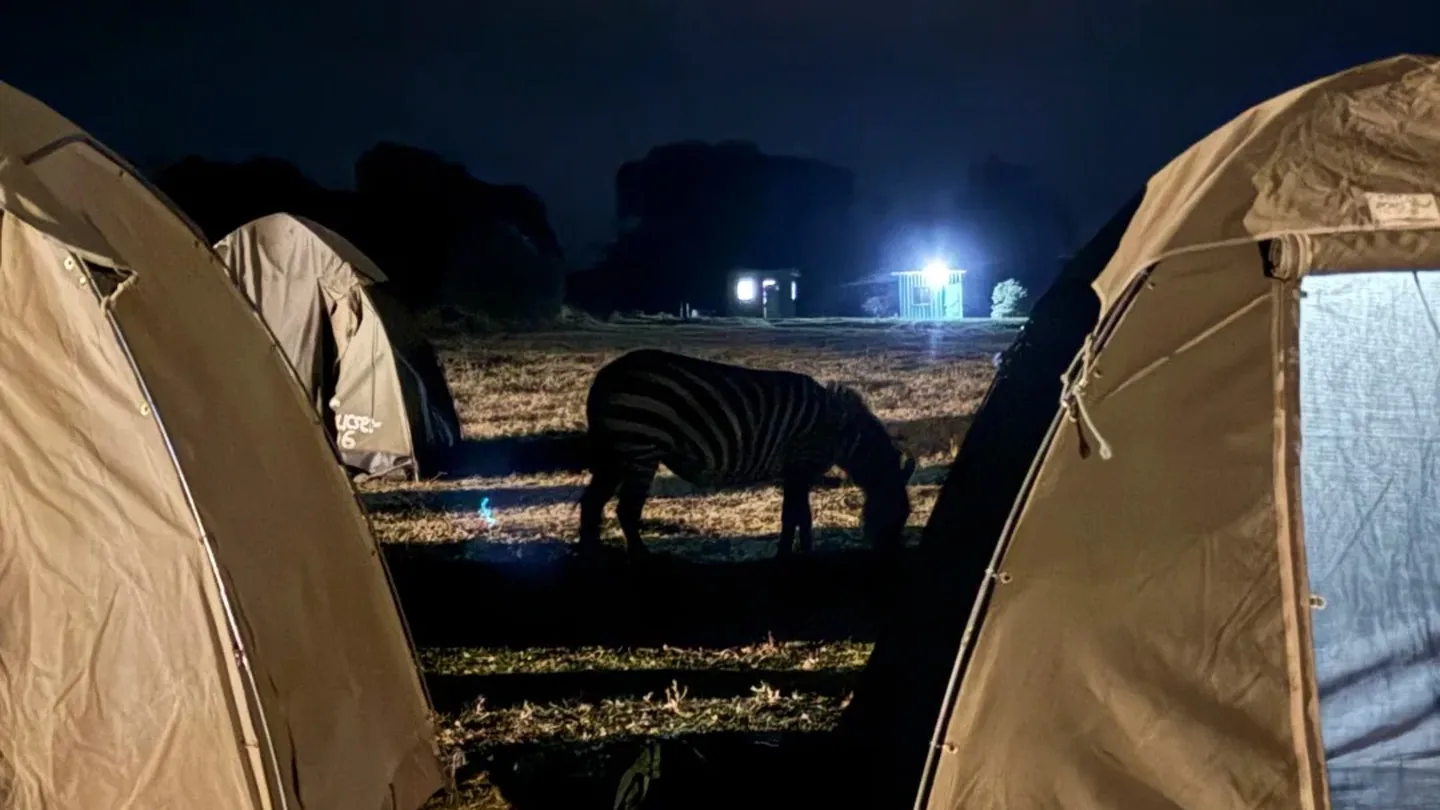
The biggest savings come from what you simplify around the wildlife, not from cutting the wildlife itself. The Safari Atlas
The quick answer
The smart cuts save real money without hurting the trip: travel in shoulder or low season, join a shared group departure, keep the route tight, and drive short transfers instead of flying them. The risky cuts – a plainer camp, fewer inclusions – can work if you choose carefully.
The cuts to never make: don't drop nights in the headline park, don't skimp on a good guide, don't overload the vehicle, and don't skip travel insurance. Those are the things that actually make or break a safari – and they're not where the savings should come from.
Key facts
- Season is the biggest lever: low and shoulder months can cost meaningfully less than peak for the same route.
- Shared vehicle: joining a group departure typically lowers the per-person vehicle cost.
- Fewer parks: each reserve adds a fresh set of per-person gate fees – a tight route saves more than it seems.
- Drive short legs: skipping a bush flight on a short transfer saves hundreds per person.
- Kenya bonus: the Maasai Mara fee drops from $200 to $100 per person outside peak (Jul–Dec vs Jan–Jun).
- Never cut: guide quality, headline-park nights, vehicle comfort, or travel insurance.
Move your dates – the biggest lever
If you can be flexible about when you travel, that single choice saves more than anything else. The same itinerary in the low or shoulder season can cost noticeably less than in peak – lodge rates fall, availability opens up, and Kenya's Maasai Mara adult non-resident fee currently moves from $200 in Jul–Dec to $100 in Jan–Jun. The long rains of April and May are cheapest of all.
The trade-off is smaller than the reputation suggests. Yes, the green season brings the odd shower and the migration may not be at its Mara peak, but the resident wildlife is superb year-round, the landscapes are lush and photogenic, and there are far fewer vehicles at each sighting. For a first safari where you're not chasing one specific event, travelling off-peak is the closest thing to a free lunch in safari planning – more in our guide to the best time to go on safari.
Share the vehicle
After season, the biggest lever is who's in the 4x4 with you. Joining a scheduled group departure – sharing the vehicle, guide and fuel with other travellers – typically cuts the per-person cost versus a private trip, because those fixed costs split more ways. For solo travellers and couples on a budget, it's the obvious move, and the sociable atmosphere is a genuine plus for many.
The trade is control: a shared vehicle sets its own pace and stops, so you don't decide how long to linger at a sighting. If that flexibility matters a lot to you, it may not be the cut to make – but for most first-timers it's a saving you feel in the wallet far more than on the plains. We weigh it fully in our private vs shared safari guide.
See good-value group safaris → Shared-vehicle, shoulder-season departures that keep costs down. Check datesTighten the route
A less obvious saving hides in the map. Every extra park you add brings a fresh set of per-person gate fees, another transfer, and often another internal flight – so a route that chases five reserves in a week costs far more than one that does two or three properly, and it's usually a worse trip too, with more time in transit and less at each sighting. Keeping the route compact saves money and improves the experience at the same time, which is rare.
In the same spirit, drive the short, scenic transfers rather than flying them. A bush flight is worth it to skip a long, rough leg, but on a short hop it just adds a few hundred dollars per person for no real time gain. Match the transport to the distance rather than defaulting the whole trip to air – the logic we lay out in our fly-in vs driving guide.
Want your trip costed with the smart savings built in?
The right dates, a shared vehicle and a tight route can knock a lot off without touching what matters. Tell us your rough budget and dates, and our safari planning team will build a costed itinerary that saves where it's invisible and spends where it counts. No obligation.
The cuts that are a gamble
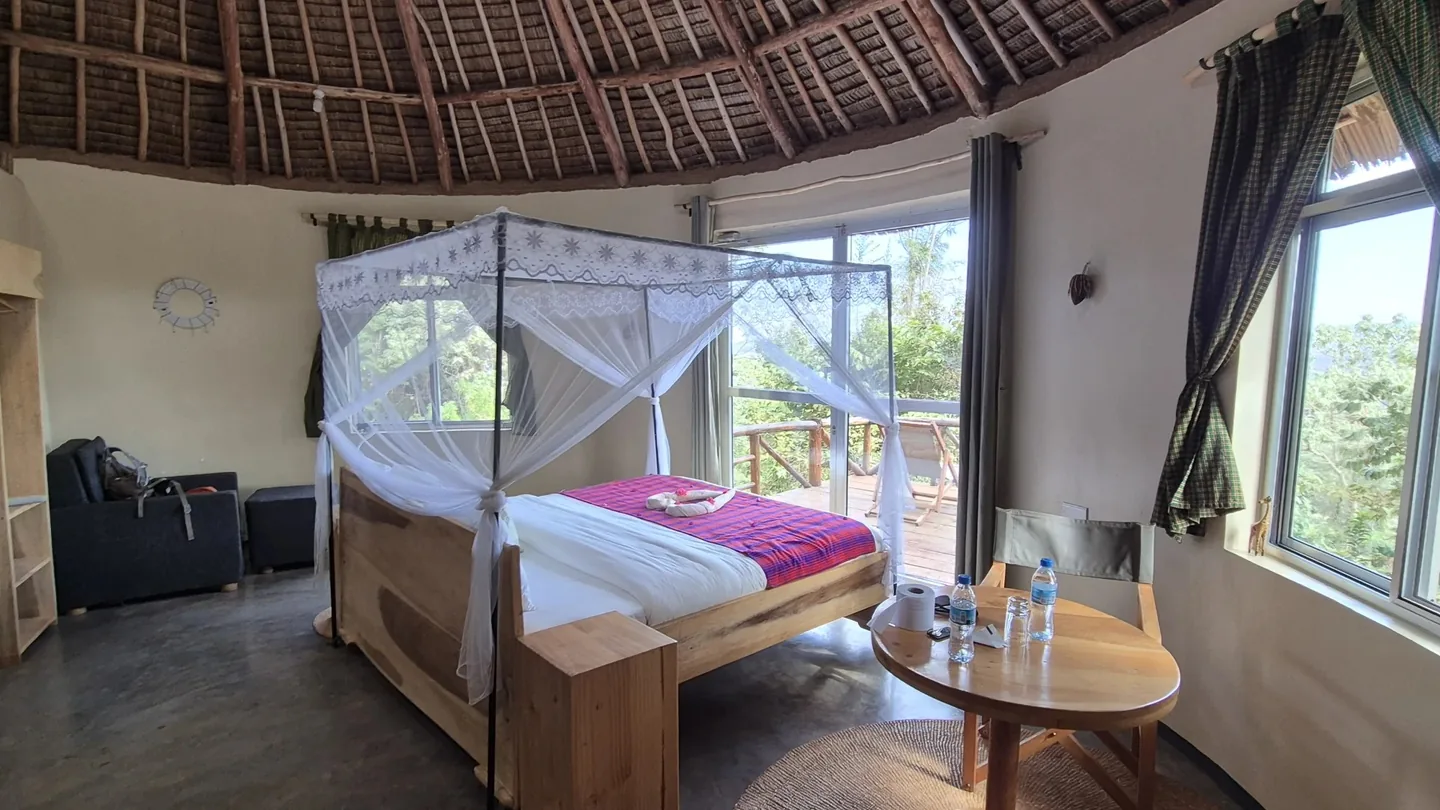
Some savings work, but only if you go in with your eyes open. Dropping to a plainer camp is fine – the wildlife is the same at every tier – provided the camp is still well located; a cheap camp two hours' drive from the wildlife costs you game-viewing time each day, which is a false economy. Choosing a fees-excluded quote to hit a lower headline is not a saving at all, since you'll pay the fees anyway; it just hides the cost, as our hidden costs guide explains.
And booking the absolute cheapest operator is the riskiest gamble of the lot. A rock-bottom price often means an overloaded vehicle, a weak guide, or a company that cuts corners you won't discover until you're in the bush. Cheap and good exist together; cheapest and reliable rarely do. Vet the operator properly – our guide to choosing a safari operator shows how – before you let price alone decide.
The cuts to never make
Here's our hill to die on: there are four things you should protect even on the tightest budget, because cutting them ruins the trip you're paying for. Nights in the headline park. A rushed single night in the Mara or Serengeti to save a little is the economy people most regret – keep two, and trim elsewhere. The guide. A great guide finds the wildlife, reads the bush and makes the difference between a good day and a flat one; a cheap, indifferent guide can flatten even a wildlife-rich reserve. Vehicle comfort. Don't accept a seat without a window or a van packed to the rafters just to shave the price. And travel insurance. Skipping it to save a small sum against a big, remote trip is a false economy that can turn catastrophic.
Everything else is negotiable; these four aren't. If your budget won't stretch to protect them, our honest advice is to shorten the trip or wait and save rather than hollow it out – a shorter safari done well beats a longer one done cheap.
The savings ladder · from safe to reckless
Five questions to ask before you cut
- Can I move my dates? Shoulder or low season is the biggest saving and costs you least in wildlife.
- Can I share the vehicle? A group departure can trim the per-person cost – the trade is pace, not sightings.
- Am I chasing too many parks? Each extra reserve adds fees and transfers; two or three done well is cheaper and better.
- Is this camp well located? A cheap camp far from the wildlife costs you game-drive time every day.
- Am I about to cut something I'll feel? Guide, headline nights, vehicle, insurance – protect these first.
So how should you save?
Move your dates to shoulder or low season, join a shared departure, keep the route to two or three parks, and drive the short transfers. These are close to invisible in the experience and add up fast.
Drop to a plainer camp only if it's still well located; choose a cheaper operator only after vetting them properly. Good and cheap coexist; cheapest and reliable rarely do.
Keep your headline-park nights, a strong guide, a comfortable vehicle with a window seat, and travel insurance. If the budget can't protect these, shorten the trip rather than hollow it out.
Save on the packaging, never on the experience. Shift the dates, share the ride, tighten the map – then put every dollar you've freed up toward the guide, the nights and the seat that actually decide whether you come home thrilled or merely relieved you went.
Savings percentages are typical 2026 figures and vary by country, season, operator and trip. Park fees follow official schedules current at July 2026. Confirm current rates and exactly what a quote includes with your operator before booking.
Sources & price notes
Seasonal and group-departure savings ranges are typical 2026 figures that vary by operator and season. The Maasai Mara seasonal fee split ($100 Jan–Jun, $200 Jul–Dec, each valid 12 hours) follows the official Maasai Mara schedule (Narok County); Serengeti and Ngorongoro fees follow the TANAPA and NCAA schedules. Savings figures move with season and operator – confirm current rates and inclusions before booking.