Planning guides · Etiquette
Safari Tipping Guide: How Much to Tip in 2026
Tipping is the bit of safari admin that quietly stresses people out – too little feels mean, too much feels naive, and nobody tells you the numbers up front. Here they are, plainly: who to tip, how much, and in what currency, so you can budget it before you go and forget about it once you're there.
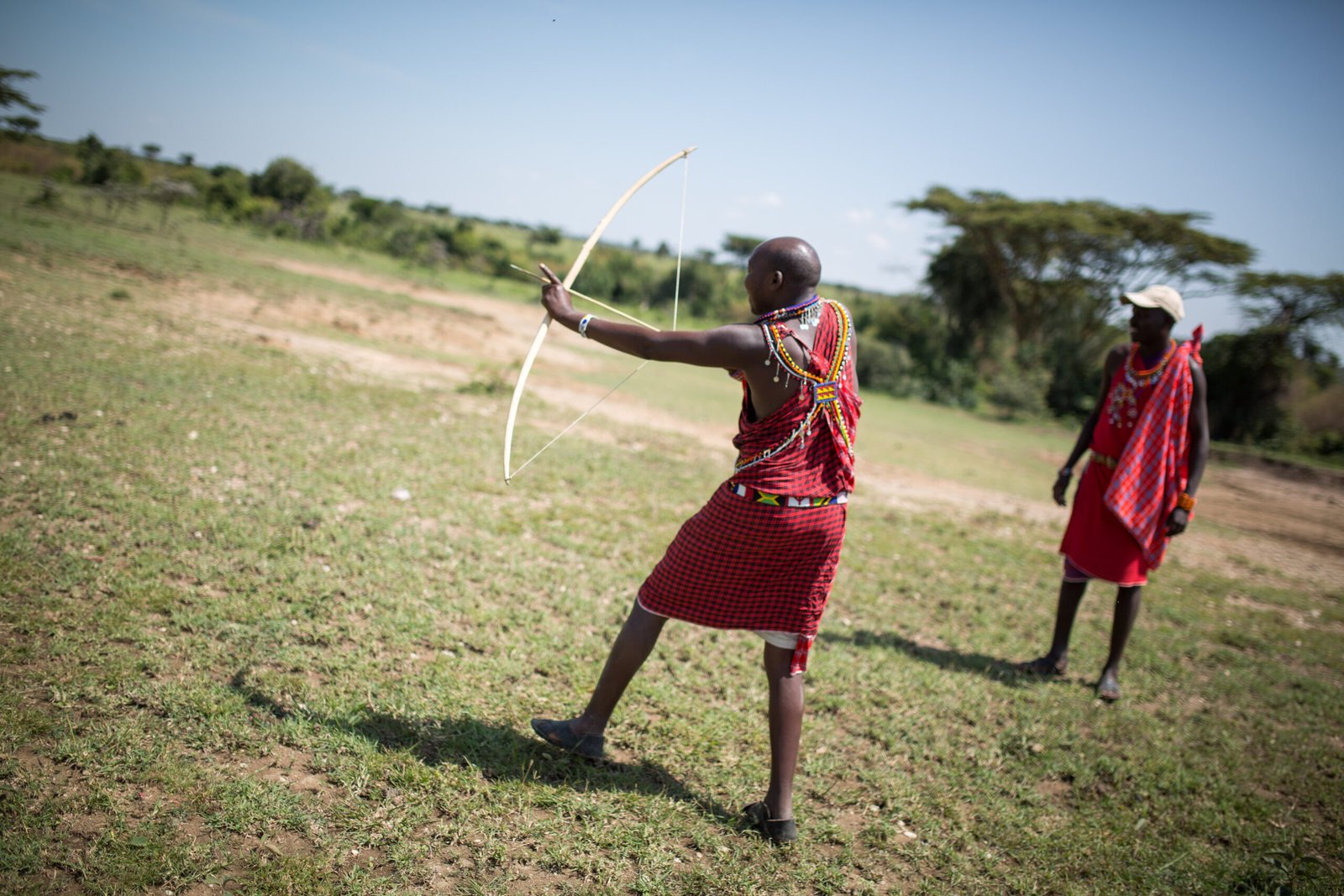
Tipping is appreciated, not compulsory – but a good guide makes the trip, and it's how you say so.
The quick answer
Tip your safari guide/driver around $10–$20 per guest per day (higher-end trips lean toward the top of that; some quote it as roughly $20–$30 per day for the vehicle as a whole). Tip camp and lodge staff $10–$20 per guest per day, usually via a communal tip box shared among the team.
Bring US dollars in small, newer, clean bills ($1, $5 and $10 notes are the most useful). Tipping is appreciated but never compulsory – tip to your experience and budget, with no pressure.
Key facts
- Guide / driver: about $10–$20 per guest per day (or ~$20–$30 per day for the whole vehicle on shared trips).
- Camp / lodge staff: $10–$20 per guest per day, usually a shared tip box.
- Higher-end safaris: tend toward $10–$25 per guest per day, scaling with tier and service.
- Currency: US dollars widely accepted; small denominations ($1/$5/$10) are far more useful than big notes.
- Clean newer bills: many places reject torn, heavily marked or old-design USD notes.
- Not compulsory: tipping reflects your experience; there's no fixed rule and no obligation.
How much to tip your guide
Your guide or driver is with you all day, every day, and is the single biggest influence on your safari – so this is the tip that matters most. The broad standard is $10 to $20 per guest per day. On a private trip that's per guest; on a shared vehicle it's sometimes framed as roughly $20 to $30 per day for the vehicle as a whole, split across the group, which works out to less per head.
Scale within the range by service and tier: a genuinely excellent guide on a higher-end trip earns the top of it (some guests go to $25 a day), while a shorter or shared budget trip sits lower. There's no penalty for tipping what you can afford – the range is guidance, not a bill. If a guide made your trip, tell them and tip accordingly; it's remembered.
Tipping camp and lodge staff
Behind every good stay is a team you barely see – housekeeping, kitchen, waiters, night staff – and they're tipped as a group. The standard is $10 to $20 per guest per day for the camp, placed in the communal tip box most lodges keep at reception or checkout, which is shared fairly among all the staff.
Keep this separate from the guide's tip, which is personal and given directly. Many camps explicitly recommend two tips for exactly this reason: one for your guide, one for the team. If a specific person went out of their way – a butler on a premium trip, say – a small individual tip on top is fine, but the tip box is the backbone of staff tipping and the easiest way to be fair to everyone.
Tipping rates at a glance
Suggested safari tips · 2026 (USD)
| Who | Suggested tip | How |
|---|---|---|
| Guide / driver | $10–$20 / guest / day | Directly, in person |
| Shared-vehicle guide | ~$20–$30 / day / vehicle | Split across the group |
| Camp / lodge staff | $10–$20 / guest / day | Communal tip box |
| Higher-end trips | $10–$25 / guest / day | Scale with service/tier |
| Transfer drivers, porters | $2–$5 per service | Small notes, directly |
What currency and notes to bring
US dollars are the practical tipping currency across East Africa – Kenya, Tanzania, Uganda and Rwanda all accept them widely – and they save you juggling local cash for gratuities. The catch is denominations: bring plenty of small notes ($1, $5, $10), because you'll want to split tips between guides, tip boxes, porters and transfer drivers, and nobody can make change for a $100 bill in the bush.
One quirk to plan around: many banks and businesses in the region can reject torn, heavily worn, marked or old-design US dollar notes. Ask your bank for crisp small notes before you fly, and confirm with your operator whether USD cash, local currency or card works best on your route. Bring the likely cash portion from home – ATMs are scarce once you're on safari, and you don't want to be short at checkout.
Read: best safari for first-timers → Tipping is one of several etiquette basics worth knowing on a first trip. See the guideWant tips built into your quote?
Tell us your trip and our safari planning team will send back a costed itinerary with a realistic tipping budget included, so there are no surprises at checkout. No obligation.
How and when to hand it over
Timing is simple: tip your guide at the end of your time together – the last day of a multi-day safari, or when they hand you off – and put the staff tip in the box at checkout. Hand a guide's tip over directly, ideally with a word of thanks; it means as much as the money. An envelope is a nice touch but not required.
If you're moving between several camps, tip at each one as you leave rather than saving it all for the end. And don't overthink the theatre of it – a quiet, sincere handover beats any grand gesture. The one thing to avoid is leaving with a great guide un-tipped because you weren't sure of the etiquette; when in doubt, tip within the range and add a thank-you.
Get a trip costed with tips included → A full budget, gratuities and all, so nothing surprises you at checkout. Start planningBudgeting tips into your trip
Tips are one of the extras that never appear on the headline price, so build them in early. As a rough planning figure, allow around $30 to $50 per guest per day across guide and staff combined on a typical trip – more on a premium, private safari, less on a shared budget one. Over a week that's a real number, so it belongs in your budget from the start, not as a surprise at the end.
Withdraw or order the cash before you leave home, in the small newer notes described above, and keep it separate from your spending money so you're not caught short. Factor it alongside the other extras – flights, drinks, activities – covered in our safari cost guide, and tipping stops being a stressful guess and becomes a planned, painless part of the trip.
Five questions travellers ask about tipping
- Is tipping compulsory? No – it's appreciated and customary, but it reflects your experience and budget, with no obligation.
- Per person or per vehicle? Guide tips are often per guest on private trips, or per vehicle split across a shared group.
- What currency? US dollars are widely accepted; bring small, newer notes (post-2006).
- One tip or two? Two – one directly to your guide, one for camp staff via the tip box.
- How much should I budget? Roughly $30–$50 per guest per day combined on a typical trip; scale to your tier.
The bottom line
Safari tipping is far simpler than the silence around it suggests. Tip your guide $10–$20 per guest per day directly, tip the camp team the same into the shared box, bring small newer US dollar bills from home, and budget it all in before you go. That's the entire system.
Above all, remember it's a thank-you, not a tax. A brilliant guide who found you the leopard and read the whole landscape for you has earned the top of the range and a genuine word of thanks – and a quiet, sincere tip is one of the nicest parts of the last morning. Tip what feels right, and travel with the whole question already settled.
Tipping amounts are customary ranges for 2026 planning only, not fixed rules, and vary by country, operator, tier and personal choice. Confirm any camp-specific tipping guidance with your operator or lodge before you travel.