Experience guides · Start here
Which Type of Safari Is Right for You?
There isn't one kind of safari – there are a dozen, and the same park can be a honeymoon, a family adventure or a photographer's marathon depending on how you build the trip. The mistake is booking a generic safari and hoping it fits. Start instead from who's travelling and what you want out of it, and the right style – and everything that follows from it – falls into place.
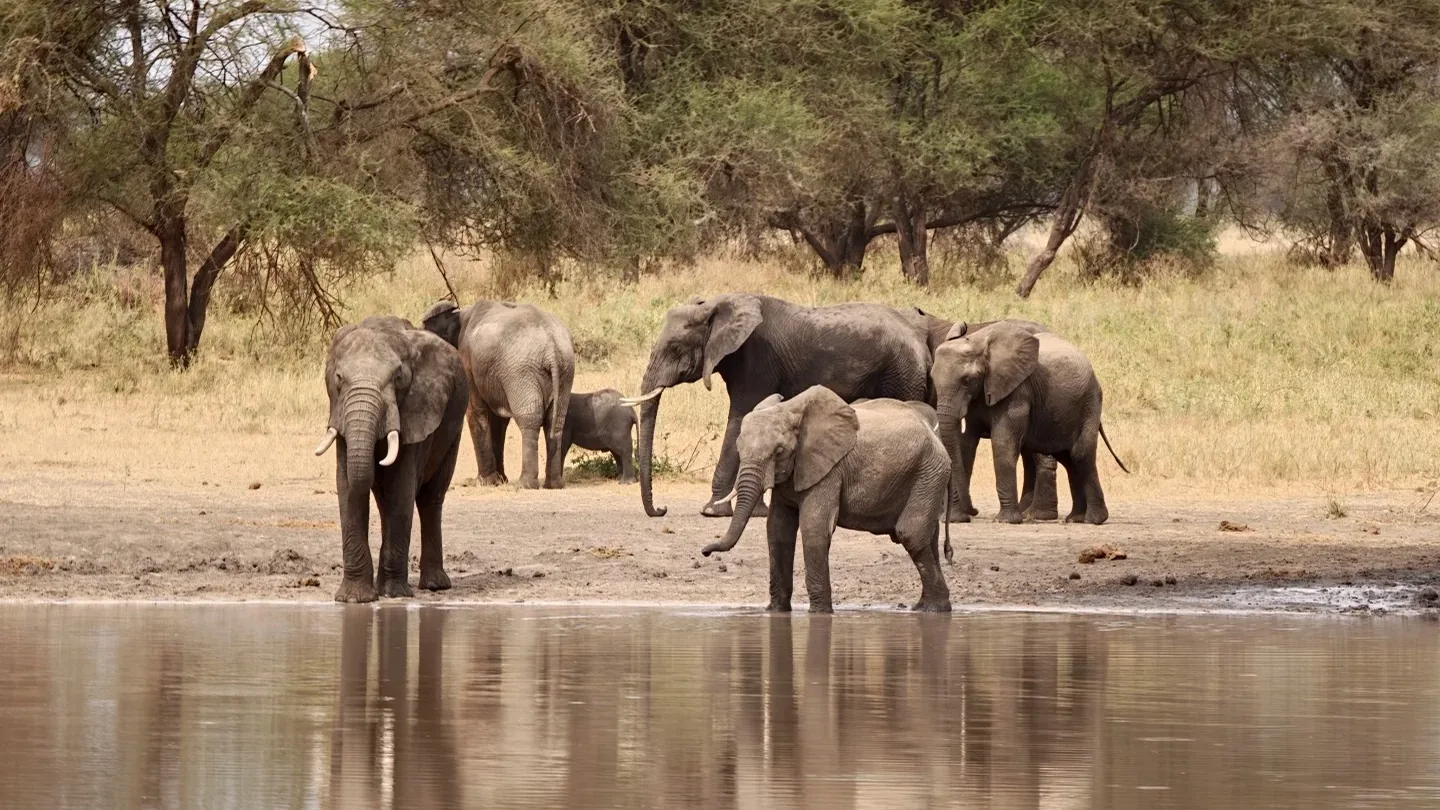
The right safari style begins with the experience you want, not the label on the itinerary. The Safari Atlas
The quick answer
Match the safari to the traveller. The classic Big Five safari suits most first-timers – the iconic parks and animals, comfortably paced. Family safaris need child-friendly camps and, ideally, malaria-free reserves. Honeymoon safaris lean private and romantic; solo safaris use group departures to keep costs sane. Photography safaris want a private vehicle and time; walking and adventure safaris need conservancies and concessions.
So don't pick a "safari" – pick your style first, and let it drive the country, season, camps and pace. The wildlife is shared; the experience is what you design.
Key facts
- Classic Big Five: the default first safari – iconic parks, comfortable pace, broad wildlife.
- Family: child-friendly camps, shorter drives, and ideally South Africa's malaria-free reserves.
- Honeymoon: private vehicle, romantic camps, one splurge lodge – comfort and seclusion.
- Solo: group departures to split the vehicle and dodge steep single supplements.
- Photography: a private vehicle, patient guiding and the right light matter most.
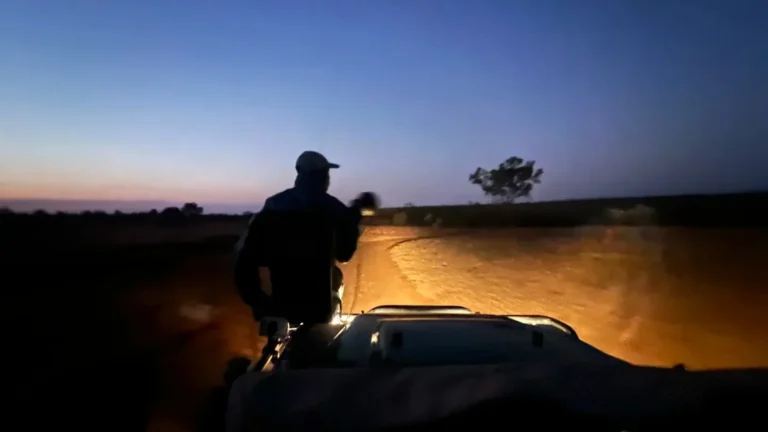
- Night drives: only in private conservancies and concessions. Walking: available in some parks as a booked activity, and freely in conservancies.
The default
Classic Big Five
Iconic parks and animals, comfortably paced. Right for most first-timers.
Who you're with
Family & couples
Child-friendly and malaria-free, or private and romantic.
A specific goal
Photo, solo, walking
Built around one priority – the shot, the budget, the adventure.
How to match your style
The trick is to reverse the usual order. Most people pick a destination and then discover, on the ground, that it doesn't suit how they wanted to travel – a honeymoon in a busy budget camp, a photographer stuck in a shared vehicle, a family on a route too long for young children. Instead, start from two questions: who is travelling, and what is the one thing you most want from the trip. Those answers point straight to a style, and the style then drives the country, the season, the camps and the pace.
This pillar is the map to that decision. Below, we sketch the main styles and who each suits; the detailed guides linked through – on family, honeymoon, solo, photography and responsible safaris – take each one further. Get the style right first and every later choice, from our itinerary framework to your camps, has a clear brief to serve.
The classic Big Five safari
For most first-timers, this is the right answer and a perfectly good one. The classic safari is the iconic version: the famous parks – the Mara, the Serengeti, Kruger – the Big Five, and a comfortable, well-paced route that balances wildlife, variety and rest. It doesn't optimise for any single thing; it optimises for a great all-round first experience, which is exactly what most people want when they've never done this before.
If you're not sure you fit a more specialised style – you're not specifically a photographer, not on a honeymoon, not travelling with toddlers – then the classic safari is your default, and there's no need to overthink it. Choose a mid-range, private-vehicle trip through two or three complementary parks in Kenya or Tanzania and you'll have the safari of the brochures. From here, the specialised styles are refinements for people with a clearer priority.
See classic Big Five safaris → Well-paced first-timer trips through the iconic parks. Check datesFamily and honeymoon
Two of the most common reasons to go, and each reshapes the trip around who you're with. A family safari needs child-friendly camps (family tents, flexible meals, sometimes a minimum age), shorter drives to keep young ones happy, and – the big one – ideally a malaria-free reserve, which points firmly to South Africa's Madikwe, Pilanesberg or the Eastern Cape. Get those right and a safari is one of the great family trips; get them wrong and it's a long week for everyone. Our family safari guide covers the specifics.
A honeymoon safari pulls the other way: toward privacy, romance and comfort. That means a private vehicle, small and intimate camps, and often one standout splurge lodge to mark the occasion – the exact allocation our where to upgrade guide recommends. Adding a beach finish on Zanzibar or Diani turns a wildlife trip into a proper honeymoon. If it's a milestone, this is the style to lean into, as our honeymoon guide lays out.
Not sure which style of safari fits you?
The right trip starts from who's travelling and what you most want. Tell us your party – family, couple, solo, photographer – and your priorities, and our safari planning team will match you to the right style, destination and camps, and cost it. No obligation.
Solo and photography
Two more styles built around a single priority. The solo safari is really about money and company: travelling alone, the smart move is a scheduled group departure that splits the vehicle cost with others and sidesteps the steep single supplement that can otherwise dominate the bill – the trade-offs we detail in our solo safari guide. Safaris are also genuinely sociable, so the shared vehicle is a feature, not a compromise, for many solo travellers.
The photography safari is built around the opposite instinct: control and time. Serious wildlife photography wants a private vehicle you can position and hold, a guide who's patient with waiting for the shot, low-angle open vehicles where allowed, and camps placed for the best light – sometimes with a beanbag and charging points as standard. It's the style where paying for a private vehicle earns its keep most clearly, and where the season and region matter to put you where the action and the light align, as our photography safari guide explains.
Walking, adventure and add-ons
Beyond the vehicle sit the more active and specialist styles. Walking safaris and night drives put you closer to the bush – on foot with an armed ranger, or under a spotlight after dark – but they're generally only permitted in private conservancies and concessions, not the main national parks, so wanting them should shape where you sleep, not just where you visit. For adventurous travellers, a conservancy-based trip unlocks a whole extra dimension the classic safari can't.
Then there are the add-ons that turn a good trip into a special one: a hot-air balloon safari at dawn, a gorilla trek paired with the plains, a cultural visit, or a beach finish. And for travellers who care how their trip affects wildlife and communities, choosing a responsible operator is its own guiding principle. These aren't separate safaris so much as ingredients you layer onto whichever base style is yours.
Match your traveller type
The whole field on one screen: who you are, and the style that fits. Find your row and follow it to the trip – and to the detailed guide that takes it further.
Traveller type to safari style · a matcher
| You are | Your style |
|---|---|
| First-timer | Classic Big Five, mid-range |
| Family | Child-friendly, malaria-free |
| Couple / honeymoon | Private, romantic, splurge night |
| Solo | Group departures |
| Photographer | Private vehicle, time, light |
| Adventurer | Conservancy walks & night drives |
Five questions to find your style
- Who's travelling? Family, couple, solo or a group – this shapes the trip more than the destination.
- What's the one thing I most want? The shot, the romance, the adventure, or just a great first safari.
- Do I need malaria-free? With young children, that points to South Africa's reserves.
- Do I want walks or night drives? If yes, base in a conservancy, not the main park.
- Solo – group or private? A group departure keeps costs sane and is genuinely sociable.
So which style is yours?
For most first-timers, and anyone without a stronger specific priority. The iconic parks and animals, comfortably paced – the safari of the brochures, and a genuinely great default.
When who you're with defines the trip. Family means child-friendly and malaria-free; honeymoon means private, romantic and one splurge night. Build around the people, not just the place.
When one priority leads. Solo travellers use group departures; photographers pay for a private vehicle and time; adventurers base in conservancies for walks and night drives. Design the trip around the goal.
Don't book a safari and hope it fits – decide who you are and what you want first, and let that choose the country, season and camps. The wildlife is the same magnificent cast for everyone; the trip you build around it is what makes it yours. Next in your planning: what it all costs, and how to build the route.
Safari styles and their requirements are typical 2026 guidance and vary by destination, operator and season. Malaria-free options, walking and night-drive rules, and camp policies differ by country and reserve. Confirm the specifics for your chosen style with your operator before booking.
Sources & notes
Safari-style characteristics and traveller-type matching are general guidance, not fixed rules. Malaria-free reserve availability (South Africa) and walking/night-drive permissions (private conservancies and concessions only) are consistent across independent sources but vary by reserve – confirm the specifics for your chosen style and destination with your operator before booking.