Planning guides · Responsible travel
How to Choose a Responsible Safari
Done well, a safari is one of the most powerful forces for conservation on earth – your money keeps land wild, funds anti-poaching, and gives communities a reason to protect wildlife rather than clear it. Done badly, it harasses animals, sidelines local people and greenwashes the difference. The choice between the two isn't about spending more; it's about knowing what to look for, and asking a few pointed questions before you book.
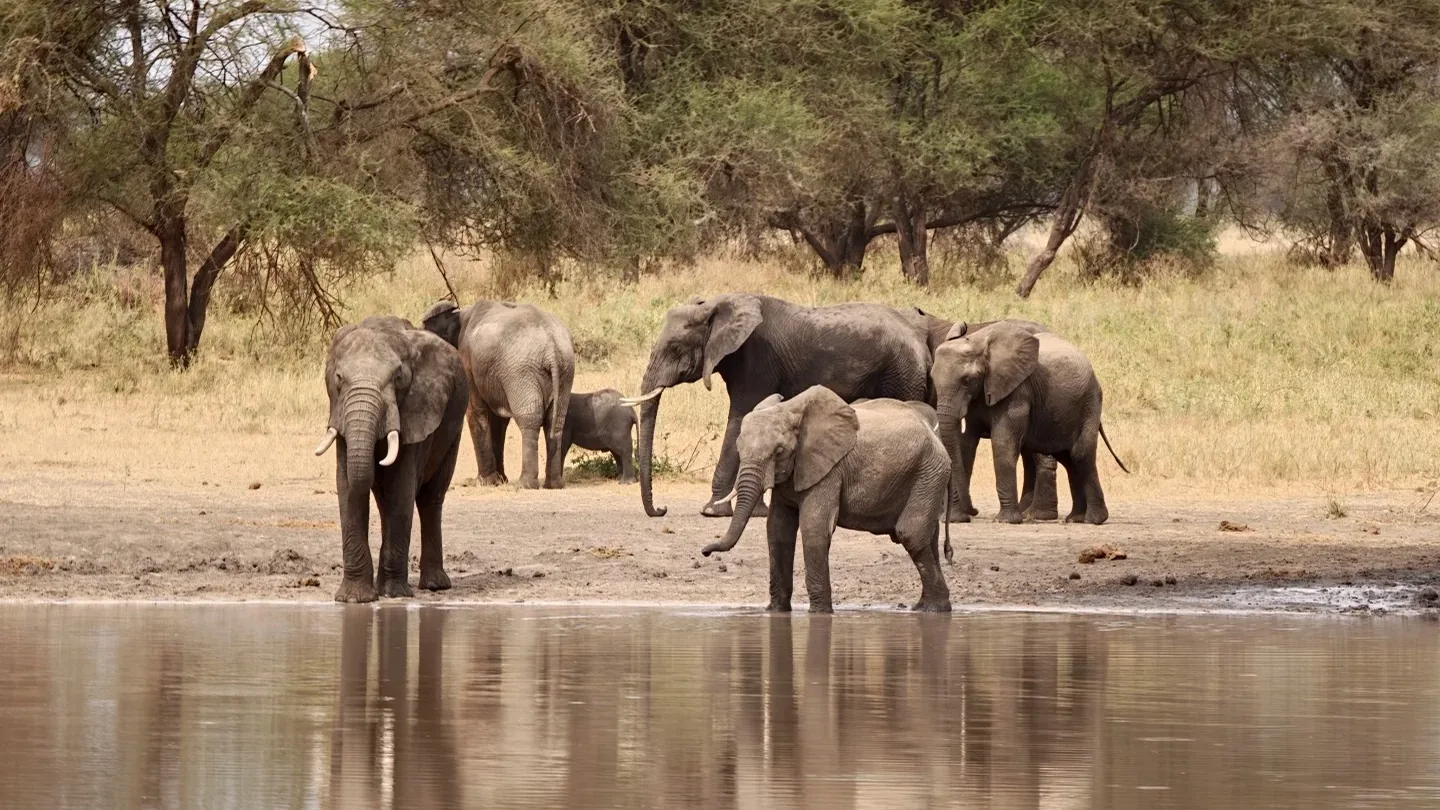
Responsible tourism is measured by what remains protected after the vehicle leaves. The Safari Atlas
The quick answer
A responsible safari does three things well: it funds conservation (park and conservancy fees that keep land protected and anti-poaching running), it benefits local communities (local employment, and ideally community-owned conservancies that share revenue), and it respects the animals (no harassment, no off-road chasing where banned, and no unethical wildlife encounters like cub petting or "walking with lions").
To choose one, favour community conservancies and low-impact camps, check for genuine certifications, book a reputable operator, and ask direct questions about where your money goes and how they treat wildlife. Responsible isn't a price tier – it's a set of choices.
Key facts
- Conservation: park and conservancy fees fund protection and anti-poaching – a real reason wild land stays wild.
- Community: local employment and community-owned conservancies share revenue with the people who live alongside wildlife.
- Animal welfare: ethical operators keep distance, don't chase, and avoid captive-wildlife interactions.
- Avoid: cub petting, "walking with lions", riding wildlife, and any hands-on captive-animal encounters.
- Low-impact camps: smaller, solar-powered, capped-vehicle camps tread lighter than mass tourism.
- Booking local keeps more of your money in the host country and community.
The three pillars
A responsible safari rests on three pillars, and a genuinely good one delivers on all three. Conservation: does your money help keep the land wild and protected? Community: does it reach the local people who share their home with the wildlife? Animal welfare: are the animals treated with respect, or harassed and exploited for a photo? Weak on any one and the safari is less responsible than it claims, however green the brochure looks.
The encouraging truth is that choosing well rarely costs more – it's about selecting operators and camps that get these three right, which exist at every budget. And it matters: safari tourism, done responsibly, is a major reason vast areas of Africa remain wild, so your choice has real weight. This is a thread that runs through our local vs international operator guide too – where your money goes is part of the responsible question.
Conservation
The first pillar is the one your park fees quietly fund. Those per-person entry and conservancy fees – the Serengeti, the Maasai Mara, the private conservancies – aren't just a cost; they're the financial engine of conservation, paying for rangers, anti-poaching patrols and habitat protection. A well-run park or conservancy turns your visit into a direct contribution to keeping wildlife alive and land undeveloped, which is why fees are worth paying gladly rather than resenting, as our hidden costs guide frames them.
To lean into this pillar, favour destinations and camps where the conservation model is clear and effective – private and community conservancies are often exemplary, ploughing fees directly into protecting their land and capping vehicle numbers to reduce pressure on wildlife. Ask an operator how the areas you'll visit fund their conservation, and a good one will answer readily. The best safaris make the link between your trip and wild land staying wild explicit and real.
Community benefit
The second pillar decides whether local people gain from the wildlife on their doorstep – which, in turn, decides whether they have a reason to protect it. A responsible safari generates local employment (guides, camp staff, suppliers) and, at its best, flows through community-owned conservancies that lease land from local people and share tourism revenue with them. When a community earns more from living lions than from cleared farmland, conservation and livelihoods align – and that alignment is one of the great successes of the model.
So look for camps and operators embedded in the community: those that employ and train locals, source locally, and – especially in Kenya – operate within community conservancies that pay landowners directly. Booking a good local operator also keeps more of your spend in-country rather than skimmed overseas, as our local vs international operator guide notes. Ask who owns the land and who benefits from your stay; the answer tells you a lot about how responsible the safari really is.
See community-conservancy safaris → Camps that share revenue with the people who protect the wildlife. Check datesAnimal welfare
The third pillar is how the wildlife itself is treated, and here the lines are clearest. In the wild, a responsible operator keeps a respectful distance, doesn't crowd or chase animals, doesn't drive off-road where it's banned to get closer, and never lets the pursuit of a photo stress a hunt or a kill. A good guide reads the animal's behaviour and backs off if it's uncomfortable – the welfare of the wildlife comes before the guest's shot.
The starkest red flags, though, are the captive-wildlife interactions sold as "experiences": cub petting, walking with lions, riding elephants, and any hands-on encounter with tame or captive animals. These are widely condemned by conservationists – they often feed cruel breeding and canned-hunting industries and have no genuine conservation value – and a responsible safari avoids them entirely. If an operator promotes them, treat it as a decisive warning about their ethics. A true wildlife encounter is on the animal's terms, in the wild, at a distance.
Want a safari that actually does good?
A responsible trip is a set of choices, not a price tier. Tell us your plans and what matters most – conservation, community, animal welfare – and our safari planning team will match you to operators and camps that genuinely deliver, and explain how. No obligation.
Good vs greenwash, at a glance
The signs of a genuinely responsible safari versus the marketing gloss. Look for the substance on the left; be wary of the red flags on the right.
Responsible safari · genuine vs greenwash
How to verify
Turning good intentions into a good booking takes a little checking. First, favour community and private conservancies and low-impact camps – smaller, solar-powered, capped-vehicle operations tread lighter and usually have clearer conservation and community models than mass-market alternatives. Second, look for genuine credentials: recognised sustainability certifications and memberships, and concrete conservation or community projects the camp actually funds – not just an "eco" label with nothing behind it.
Third, and most powerful, ask direct questions and judge the answers. Where do the park and bed-night fees go? Who owns the land, and how do local people benefit? How do the guides handle sensitive sightings, and do they offer any captive-wildlife encounters? A genuinely responsible operator answers these specifically and proudly; vagueness or defensiveness is itself a red flag. Booking through a reputable operator who can point to real projects, as our choosing a safari operator guide describes, is the surest route.
Read: how to choose a safari operator → Vetting the people behind a responsible trip. See the guideFive questions to ask any operator
- Where do the fees go? A responsible operator can explain how your money funds conservation.
- Who owns the land, and who benefits? Community conservancies share revenue with local people.
- How do guides treat wildlife? Respectful distance, no chasing, welfare before the photo.
- Do you offer any captive-animal encounters? Cub petting or lion walks are a decisive red flag.
- What are your real credentials? Concrete projects and recognised certifications, not vague "eco" claims.
So how do you choose well?
Community and private conservancies, smaller solar-powered camps, capped vehicle numbers. These usually deliver on conservation, community and welfare together – and they exist at every budget.
No cub petting, no walking with lions, no riding wildlife, no off-road harassment. These captive-animal "experiences" have no conservation value and mark an operator to walk away from, whatever else they promise.
Put the direct questions – where the money goes, who benefits, how wildlife is treated – and book operators who answer with substance. Responsible isn't a slogan; it's what they can actually show you.
Choosing a responsible safari doesn't mean spending more – it means choosing operators and camps that fund conservation, share the benefits with local communities, and treat wildlife with respect. Favour conservancies, avoid the captive-animal traps, and ask the pointed questions. Do that and your trip becomes part of the reason the wild survives – which is the finest thing a safari can be.
Responsible-travel guidance and welfare standards reflect widely shared conservation best practice at July 2026. Certifications, ownership models and community arrangements vary by camp and country. Confirm an operator's conservation and community credentials, and its wildlife-handling practices, before booking.
Sources & notes
Responsible-safari principles - conservation funding via park and conservancy fees, community-conservancy revenue-sharing, and the widely condemned status of captive-wildlife interactions such as cub petting and lion walks - reflect established conservation and responsible-tourism guidance. Certifications and community models vary by camp and country – confirm an operator's credentials and wildlife practices before booking.