Accommodation guides · Camp types
Mobile Camp vs Permanent Tented Camp: Which Should You Book?
Both are canvas, both can be beautiful, and both put you close to the bush – so this isn't a comfort decision. It's a decision about roots. A permanent tented camp stays in one carefully chosen spot all season; a mobile camp packs up and follows the wildlife across the year. The right one depends on a single question: do you want the best fixed address, or the flexibility to be wherever the animals are?
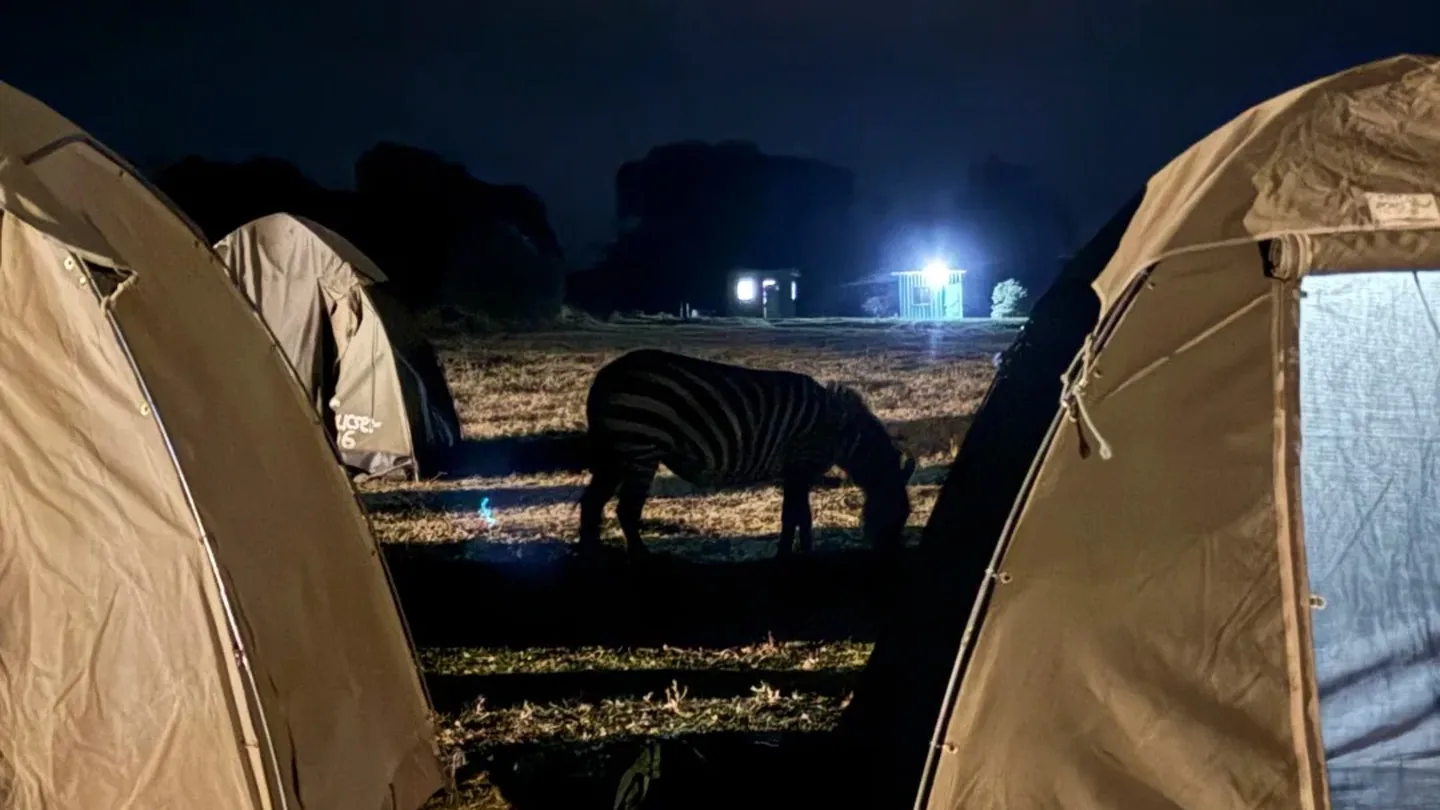
A mobile camp gives up permanence to stay closer to the changing wildlife. The Safari Atlas
The quick answer
A permanent tented camp stays in one place all season: a little more comfortable and polished, with fuller facilities and a prime, established location. A mobile (or seasonal) camp is struck and relocated through the year to follow the wildlife – most famously the migration – so it's positioned near the action, at the cost of slightly simpler facilities and a more adventurous feel.
Book a mobile camp when following the migration or when position matters most; book a permanent camp for a touch more comfort, consistency and a reliably great fixed location. Both are genuinely comfortable – this is about mobility, not luxury.
Key facts
- Permanent camp: stays in one place all season; more comfort, fuller facilities, established prime location.
- Mobile camp: struck and relocated seasonally to follow the wildlife; near the action, simpler, adventurous.
- Both are comfortable: real beds, en-suite bathrooms, hot water – the difference is roots, not roughing it.
- Mobile shines for the migration: it repositions with the herds so you're not driving hours to reach them.
- Permanent shines for consistency: fuller amenities and a reliable base for resident wildlife.
- Cost is similar tier-for-tier; both range from simple to genuinely luxurious.
The real difference: roots
Strip away the marketing and the choice comes down to one thing: whether the camp moves. A permanent tented camp is a fixed, semi-permanent operation that occupies the same spot for the whole season or year – often a genuinely prime, hard-won location – and builds up fuller facilities because it isn't going anywhere. A mobile camp is designed to be dismantled and rebuilt a few times a year, migrating across a park to stay near the wildlife as it moves.
Everything else – the comfort, the food, the guiding – can be excellent in both, so don't frame this as luxury versus roughing it. Frame it as fixed address versus flexibility. A permanent camp bets on having chosen the best spot; a mobile camp bets on being able to move to wherever the best spot is that month. This is the same axis our broader accommodation guide draws across all camp types.
The mobile camp
The mobile, or seasonal, camp exists to solve one problem: the wildlife moves, and a fixed camp can't. By packing up and repositioning through the year – down to the southern Serengeti for the calving, up to the north for the crossings – it keeps you close to the action rather than a long drive from it. Facilities are a touch simpler than a permanent camp (think proper beds and en-suite bucket showers rather than plunge pools), and the footprint on the land is lighter, which many travellers value.
The payoff is placement and atmosphere: you wake up near the herds, reach the sightings without a long commute, and get a more intimate, adventurous, close-to-the-earth feel. For a migration-focused trip especially, a mobile camp is usually the smart choice – you're paying for position, which is exactly what the migration rewards, as our migration camps guide sets out in detail.
See mobile safari camps → Seasonal camps that reposition with the wildlife, by month. Check datesThe permanent tented camp
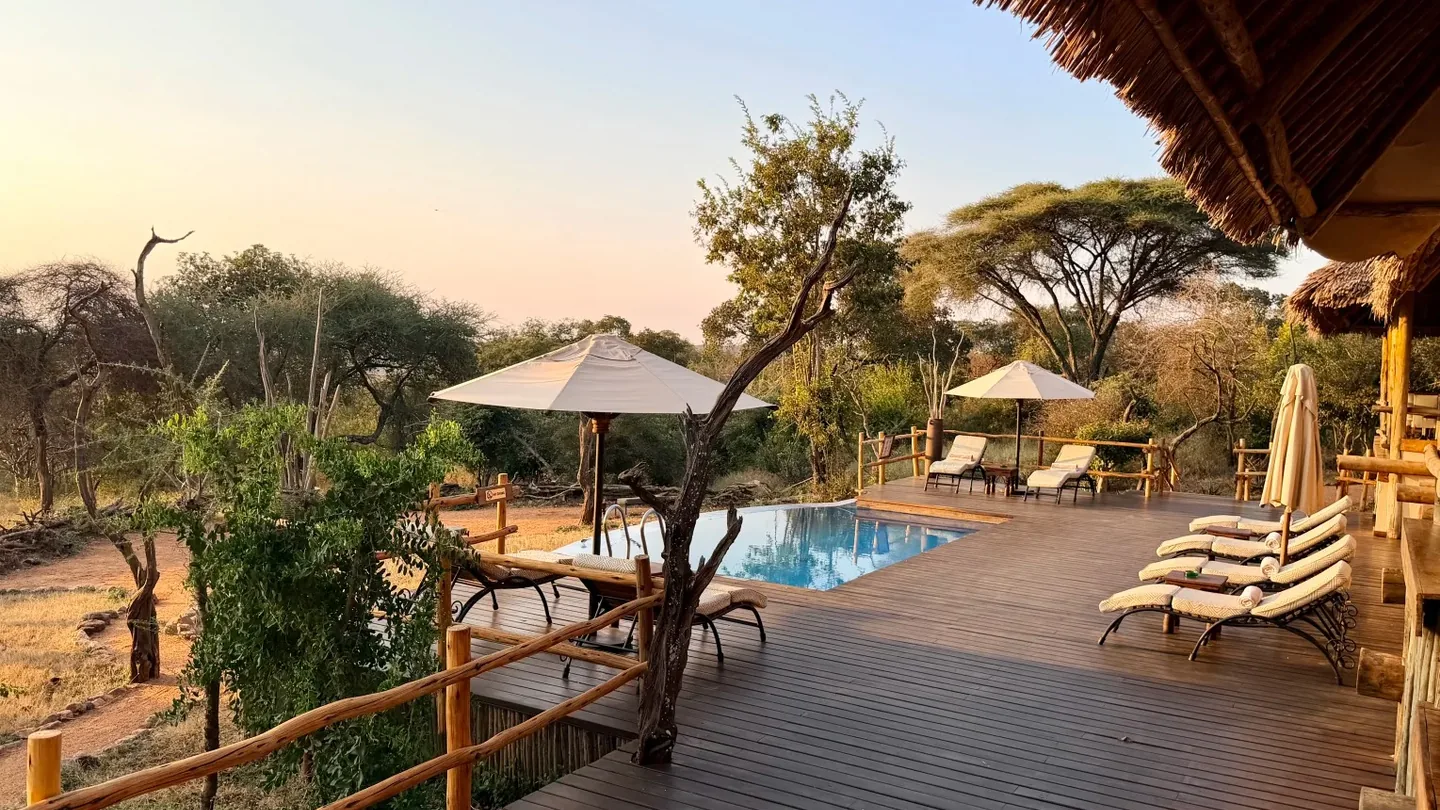
The permanent tented camp trades mobility for consistency, and gains a lot in return. Because it stays put, it can invest in fuller comforts – larger tents, a pool, a proper dining area, sometimes a plunge pool on the deck – and it typically holds a reliable, established location chosen for its year-round wildlife or its views. You always know exactly what you're getting, and the polish is usually a notch above a mobile camp of the same tier.
That makes it the natural choice when the migration isn't your focus, or when comfort and predictability matter – a honeymoon, a family trip, a first safari where you'd rather not compromise on facilities. It's especially strong in areas with superb resident wildlife, like the central Serengeti or a Mara conservancy, where the animals are there all year and a fixed prime spot is an asset rather than a limitation. Location still matters most, as our inside vs outside the park guide stresses – a well-placed permanent camp is hard to beat.
Side by side
The two camp types at a glance. Read the "near the wildlife" and "comfort" rows together – that's the real trade.
Mobile vs permanent tented camp · the trade
| Factor | Mobile camp | Permanent camp |
|---|---|---|
| Near the wildlife | Follows it | Fixed, prime spot |
| Comfort | Comfortable, simpler | Fuller facilities |
| Consistency | Seasonal | Year-round |
| Feel | Intimate, adventurous | Polished, established |
| Best for | Migration trips | Comfort & resident game |
Not sure which camp type fits your trip?
It depends on your dates and whether you're chasing the migration or resident game. Tell us your dates and what you most want to see, and our safari planning team will match you to the right camp – mobile or permanent – and cost the trip. No obligation.
The migration factor
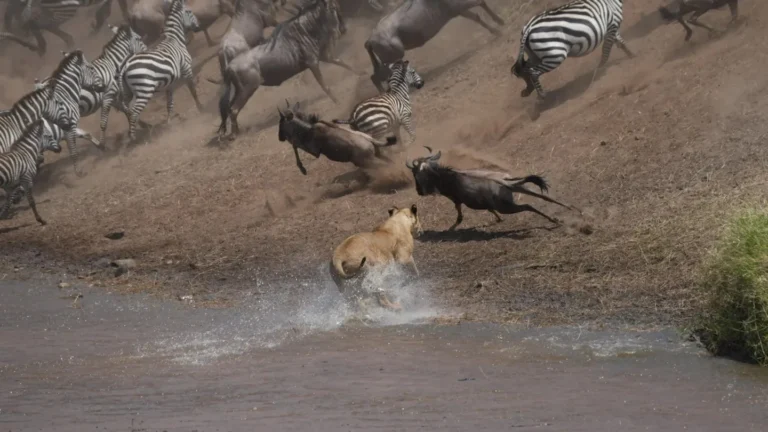
If the Great Migration is your reason for going, this decision tilts firmly toward mobile – and it's worth understanding why. The herds move across the Serengeti–Mara ecosystem all year, so a permanent camp is only near them when they happen to be passing its region. A mobile camp, by contrast, relocates to stay with them, which means you wake up close to the calving or the crossings and reach the drama without a long, day-eating drive.
A permanent camp can still work for the migration – if your dates align with its region – but you're betting on the herds being there, while a mobile camp goes to them. For the calving (December to March) or the crossings (July to October), a well-run mobile camp usually gives you the better odds and the better mornings, as our where to stay in the Serengeti guide maps out by region.
Comfort, honestly
Let's be straight about the comfort gap, because it's smaller than people fear. A good mobile camp is not camping: you get a proper bed, crisp linen, an en-suite bathroom with a hot (often bucket) shower, and good food cooked fresh in the bush. What you don't usually get is the permanent camp's extras – a swimming pool, expansive lounges, mains power all day, a spa. For most travellers on safari – out at dawn, resting at midday, out again at dusk – those extras matter less than they might elsewhere.
So the real question isn't "will I be comfortable in a mobile camp?" (you will) but "how much do I value the permanent camp's extra polish against the mobile camp's better position?" If facilities and a pool genuinely matter to your trip – a honeymoon, a family with young children – lean permanent. If you'd trade a little polish to be right where the wildlife is, lean mobile. It's the same immersion-versus-comfort axis from our safari styles guide.
Browse permanent tented camps → Comfortable, well-located fixed camps for resident wildlife. See optionsFive questions to ask before you book
- Am I following the migration? If yes, a mobile camp keeps you near the herds – usually the better choice.
- How much do facilities matter? A pool and fuller amenities point to a permanent camp.
- Where will the mobile camp be on my dates? Ask its position, since it moves through the year.
- Is the area resident-game rich? If so, a well-placed permanent camp is an asset, not a limitation.
- Could I mix both? A mobile camp near the herds plus a permanent base for comfort works beautifully.
So which should you book?
For a migration-focused trip, or whenever position matters most. It moves with the wildlife, so you wake up near the action and reach it without a long drive – and the intimate, adventurous feel is a bonus.
For more comfort, consistency and a reliable prime location – especially in resident-game areas, or for a honeymoon or family trip where facilities matter. Always know exactly what you're getting.
Pair a mobile camp near the herds with a comfortable permanent base for the resident-game part of your trip. You get position where it counts and polish where it doesn't – often the best of both.
Don't agonise over comfort – both camp types deliver it. Decide instead whether you want the best fixed address or the freedom to follow the wildlife, and let your dates and your must-see make the call. When the migration's involved, mobility usually wins; the rest of the time, a well-placed permanent camp is hard to beat.
Camp characteristics and facilities are typical 2026 descriptions and vary by camp, operator and tier. Mobile-camp positions shift through the year. Confirm the exact facilities and location of any camp for your dates with your operator before booking.
Sources & notes
Both mobile and permanent camps range from simple to luxurious, and mobile camps reposition seasonally to follow the migration. Facilities and locations vary – confirm the specific facilities and exact position of any camp for your dates with your operator before booking.