Planning guides · Booking
How Far in Advance Should You Book a Safari?
The honest answer isn't a single number – it's a curve. A green-season trip can come together in a couple of months; a migration river-crossing camp or a top Okavango lodge can be full a year and a half out. Book too late for peak season and the good camps are simply gone, no matter your budget.
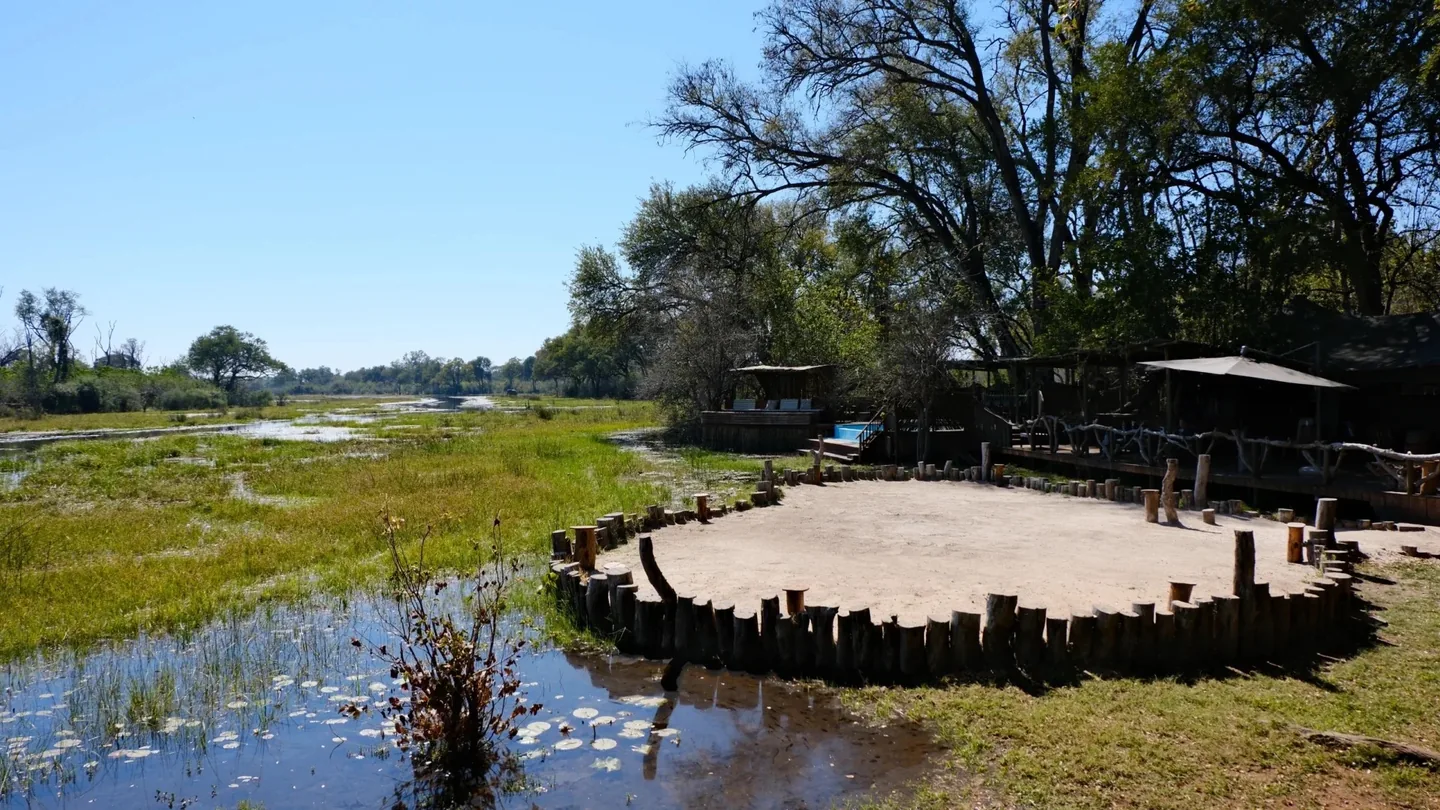
Small camps in high-demand settings cannot manufacture extra rooms once the season fills. The Safari Atlas
The quick answer
As a rule, book 9 to 12 months ahead for a strong trip. For peak season and the Great Migration, the best camps fill 10 to 12 months out, and top luxury lodges 12 to 18 months ahead. For shoulder season, 6 to 9 months is usually plenty, and green season can work at shorter notice, sometimes with last-minute value.
The single hard rule: if your trip depends on a specific scarce thing – a river-crossing camp, a festive-season date, a gorilla permit – book that first and early. Everything else follows.
Key facts
- General guide: 9–12 months ahead for the best routing and lodge choice.
- Peak / migration: best camps fill 10–12 months out; luxury lodges 12–18 months.
- Shoulder season: 6–9 months is usually enough.
- Green season: workable at shorter notice; the best window for last-minute value.
- Small camps: Okavango and migration camps with a dozen suites or fewer sell peak months a year ahead.
- Book first: scarce items – river-crossing camps, gorilla permits, festive dates – before the rest of the trip.
Why there's no single answer
Safari camps aren't hotels with hundreds of rooms – the best are tiny, often a dozen tents or fewer, on private land with strict caps. That scarcity is the whole reason lead time matters: when a camp has ten rooms and a hundred people want them for the migration, it fills a year ahead and there's no fixing it later with money.
So the right answer depends on three things: when you're going (peak or green season), where (busy marquee reserves or quieter regions), and how scarce your must-haves are (a specific crossing camp versus flexible dates). Line those up and the lead time falls out naturally – which is why the sections below break it down rather than give you one figure.
Lead times by season
Season is the biggest driver. Peak dry season and the migration months are the crunch: the standout camps fill 10 to 12 months out, and premier luxury lodges in Botswana, Kenya, Tanzania and Zambia can be gone 12 to 18 months ahead. If you want July or August, you're often booking the previous October at the latest.
Shoulder season is far kinder – 6 to 9 months usually secures clean routing and a good choice of lodges. Green season is the most relaxed of all: rates and demand are lower, so you can often book at shorter notice, and it's the one window where genuine last-minute value turns up. For how the seasons themselves compare, see our best time to go guide.
How early to book, by season · 2026
What sells out first
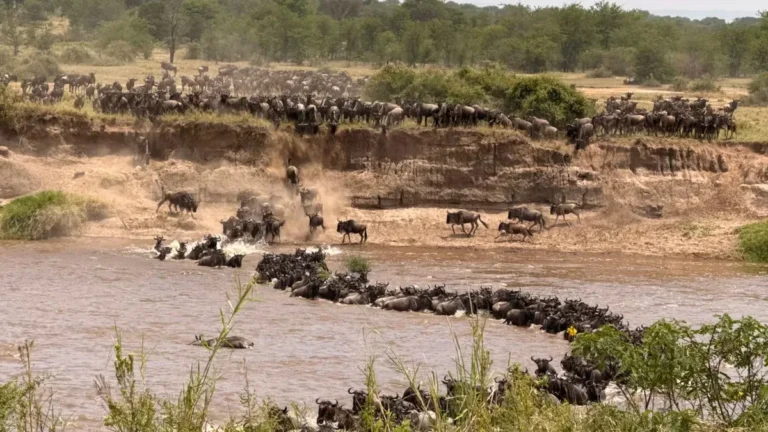
Some things go long before the rest of a trip, and they're the ones to lock in first. Migration river-crossing camps – the small northern-Serengeti and Masai Mara properties positioned for August and September – are among the earliest to fill, often a year ahead. Botswana's Okavango delta camps, many with fewer than a dozen suites, sell their peak flood months (roughly June to August) twelve months out.
Gorilla trekking permits in Uganda and Rwanda are a category of their own: a strictly limited number are issued each day, so they should be secured as early as possible – often a year out – before you build the rest of the itinerary around them. Festive-season dates (Christmas and New Year) are also in extreme demand everywhere. If any of these is central to your trip, book it first and let everything else slot in around it.
Can you book last minute?
Sometimes – but on the industry's terms, not yours. Genuine last-minute availability and deals do appear, but almost always in the low and green seasons, when demand is soft, and they reward travellers who are flexible about where and when. You might snag a lovely camp at short notice in April; you will not conjure a Mara crossing camp for peak September in June.
So last-minute works as a strategy if value matters more than specifics: keep your dates and destination open, watch for released inventory, and be ready to move. It fails completely as a plan for peak season or any scarce, dated experience. If your heart is set on the crossings, the gorillas, or Christmas in the bush, treat last-minute as a fantasy and book early.
Not sure if you're leaving it too late?
Tell us your rough dates and what you most want to see. Our safari planning team will tell you honestly what's still bookable, what needs securing now, and where a little date flexibility opens things up. No obligation.
Why booking early pays off
Beyond simply getting a place, booking early buys you the best version of the trip. You get first pick of the standout camps in the best locations, cleaner routing with shorter transfers, and the room configurations – family suites, connecting rooms – that are always the first to go. Leave it late and you're building around what's left, which usually means compromises on either the camps or the logistics.
Early booking also spreads the cost: deposits are modest, balances fall due closer to travel, and you avoid the peak-season price creep and any fee increases that land between now and departure. And it removes the quiet stress of wondering whether it'll come together at all. The one caveat – make sure you have suitable travel insurance in place when you commit, so an early booking is protected if plans change.
Read: how to choose an operator → Book early with the right company, on a card deposit and a written contract. See the guideWhen to book what
A simple order of operations keeps an early booking from feeling overwhelming. First, lock the scarce, dated things – a river-crossing camp, gorilla permits, festive dates – because everything else can flex around them. Then secure your core camps and internal flights, which is where the 9-to-12-month window really applies for peak trips.
Closer in, 3 to 6 months out, sort international flights, confirm your travel insurance, and book any add-on activities like a balloon safari or night drives. In the final weeks, handle the personal admin – a travel-clinic visit for vaccinations and malaria tablets, packing, and tips in small newer notes. Work outward from the scarcest item and the timeline organises itself.
Read: Great Migration month by month → If you're timing to the crossings, book those camps first and early. See the calendarFive questions to settle your booking timeline
- What season am I travelling? Peak and migration need 10–18 months; green season can be short notice.
- Is anything scarce and dated? Crossing camps, gorilla permits and festive dates go first – book them first.
- How flexible are my dates? Flexibility unlocks last-minute value; fixed peak dates demand early booking.
- How specific are my must-have camps? A particular small camp means booking earlier than a "good enough" one.
- Is my insurance in place? Put cover on when you commit, so an early deposit is protected.
So when should you book?
For peak season, the migration crossings, top luxury lodges, gorilla permits or festive dates. These sell out first and can't be recovered late – secure the scarce pieces now.
For shoulder season or a flexible trip to the classic parks. Comfortable lead time for clean routing and a good choice of camps, without the peak-season scramble.
For green season and value-led travellers who'll flex on dates and destinations. The one window where last-minute deals are realistic – but never for scarce, dated experiences.
Work backward from the scarcest thing you want, not from a single rule of thumb. Nail down the dated must-haves early, and the rest of a safari is far more forgiving than the peak-season horror stories suggest.
Booking lead times are typical 2026 guidance and vary by destination, camp, season and demand. Popular camps and dated experiences sell out earlier than averages suggest – check live availability with your operator before assuming there's still time.