Planning guides · When to go
Green Season Safari: Worth It or Too Rainy?
The rains have a terrible reputation and a wonderful secret. Yes, the green season brings showers, mud and thicker bush that hides the animals a little. It also brings lush, cinematic landscapes, newborn wildlife, brilliant birding, near-empty parks and prices 30 to 40 percent below peak. For the right traveller, the "off" season is the best-value safari of the year – if you know what you're trading.
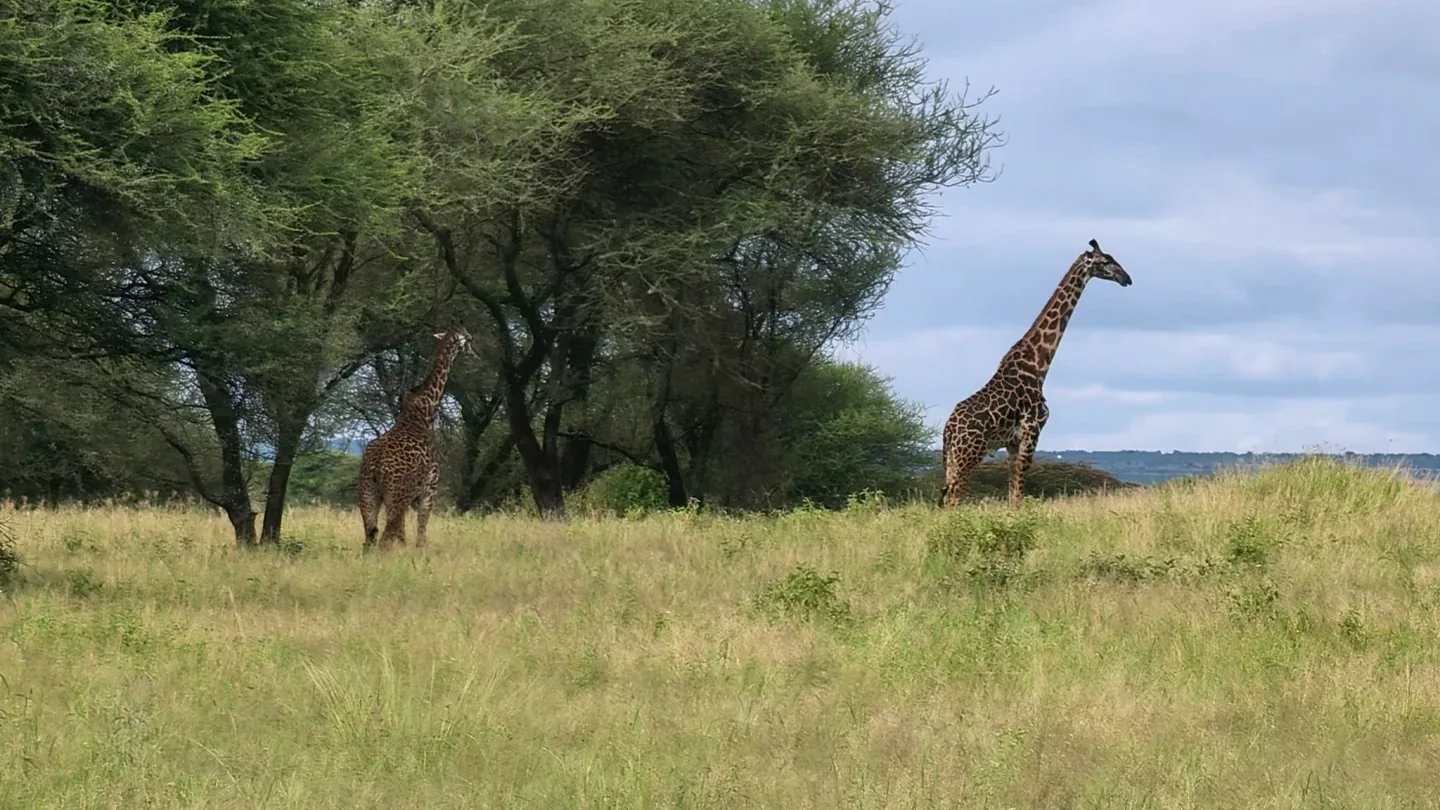
Rain redraws Tarangire in green, and familiar wildlife suddenly sits in a different landscape. The Safari Atlas
The quick answer
Yes, for most travellers a green season safari is worth it – with eyes open. You get lush scenery, newborn animals, superb birding, far fewer people and prices 30 to 40 percent below peak. The trade is intermittent rain (usually short afternoon storms, not all-day washouts), muddier roads, and thicker vegetation that can make spotting a bit harder.
Where it doesn't suit you is if you're set on one specific dry-season event – the Mara River crossings, say – or need guaranteed easy game-viewing on a single short trip. For value, photography and solitude, though, the rains are underrated.
Key facts
- Cost: green-season trips typically run 30–40% cheaper than the same itinerary in peak.
- When: broadly the rains – East Africa's long rains (roughly Mar–May) and short rains (Nov–Dec); Southern Africa's summer (roughly Nov–Apr).
- Rain pattern: usually short, heavy afternoon storms rather than all-day rain – drives often continue.
- Wildlife plus: newborn animals (calving), active predators, and peak birding with migrants in breeding colour.
- Trade-offs: thicker bush hides animals a little; some roads get muddy; a few camps close.
- Kenya bonus: the Maasai Mara gate fee drops from $200 to $100 per person outside peak.
What "green season" actually means
"Green season" is the tourism industry's kinder name for the rains, and the timing depends on where you go. In East Africa it's broadly the long rains of roughly March to May and the short rains of November to December; in Southern Africa – South Africa, Botswana, Zambia – it's the summer wet season, roughly November to April. The land turns green, the dust settles, and rates drop.
The key thing to understand is that it's not a monsoon. In most places the rain comes as short, dramatic afternoon or overnight storms that clear quickly, leaving the light spectacular and the air washed clean – not the grey, all-day drizzle the word "rainy" conjures. Game drives usually carry on around it. Knowing your specific region's pattern is central to timing any trip, which is why we treat it in detail in our best time to go on safari guide.
The case for going green
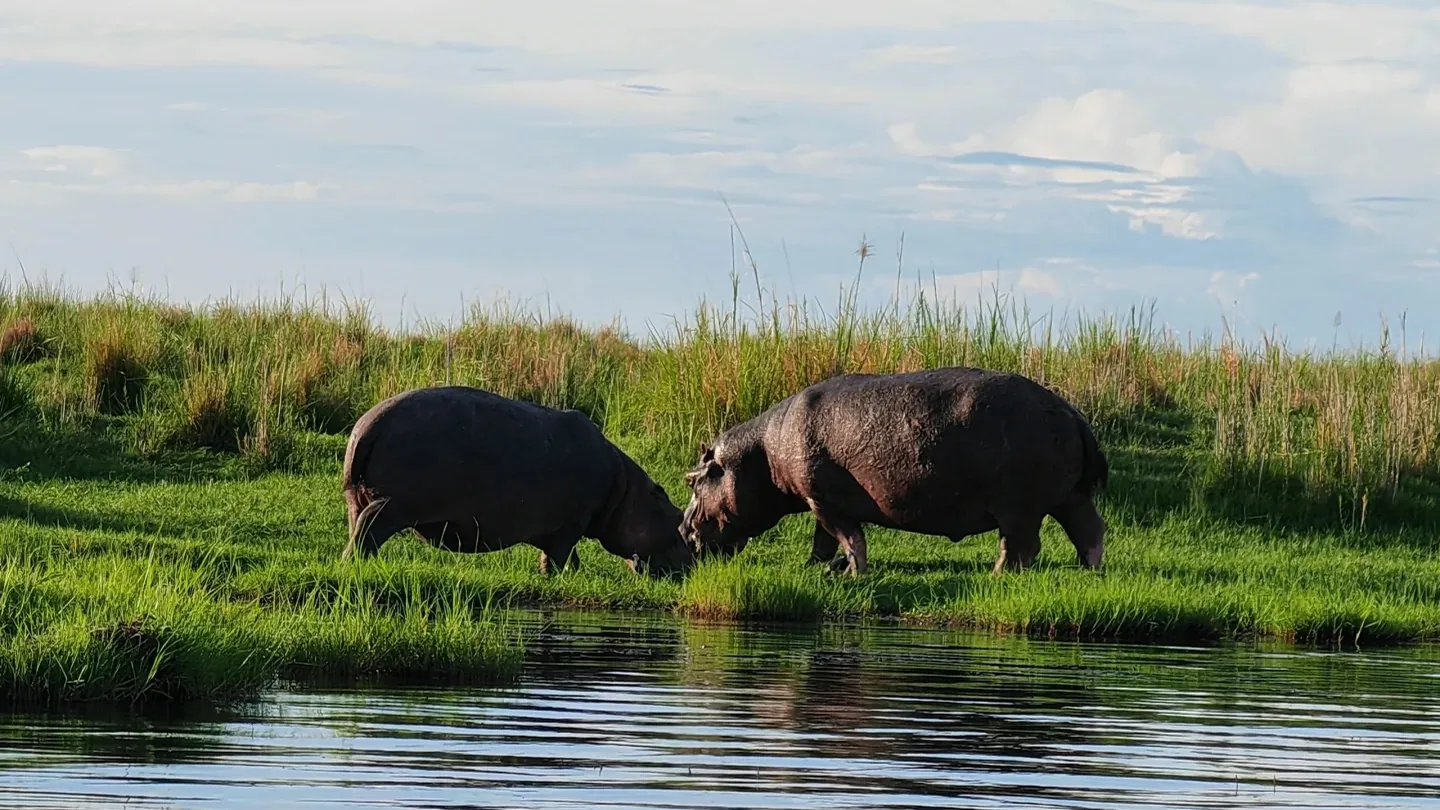
The upsides are real and, for some travellers, decisive. Price is the headline: the same itinerary can cost 30 to 40 percent less than in peak, and in Kenya the Maasai Mara gate fee itself halves. Scenery transforms – the dusty dry-season plains become lush, green and photogenic, under the dramatic skies photographers dream of. Newborns arrive: the green season overlaps calving in places like the southern Serengeti, which means adorable young animals and, inevitably, plenty of predator action as the cats take advantage.
Then there's space and birds. The parks are quiet – you'll share sightings with far fewer vehicles – and the birding is at its best, with resident species in breeding plumage and migrants arriving in force. For photographers, birders and anyone who values solitude and value over guaranteed easy spotting, the green season isn't a compromise; it's the pick of the year.
See green season safari offers → Lush, quiet trips at 30–40% below peak, fees included. Check datesThe honest downsides
Now the trade, because pretending there isn't one would be dishonest. Thicker vegetation is the main one: as the bush greens up and grows tall, animals have more cover, so spotting can take more patience than on the open, sparse dry-season plains where wildlife gathers at shrinking waterholes. Mud can make some tracks harder going, and occasionally a remote road is briefly impassable. And a handful of camps close entirely during the heaviest rains, particularly in the most remote areas, so your choice of accommodation narrows.
None of these is a dealbreaker for most trips, but they're real. If your heart is set on effortless, textbook game-viewing on a single short safari with no margin for a quiet drive, the dry season is the safer bet. The green season rewards a little patience and flexibility with lower prices and emptier parks – it's a trade, not a free win.
Wondering if the green season suits your trip?
It depends on where you're going and what you most want – value, photography, or guaranteed easy spotting. Tell us your rough dates and priorities, and our safari planning team will tell you whether the green season fits, and cost a trip that makes the most of it. No obligation.
How much does it really rain?
This is the fear that keeps people away, and it's mostly overblown. In the green season proper – as opposed to the very peak of the long rains – the typical pattern is sunshine for much of the day punctuated by a short, heavy downpour, often in the late afternoon or overnight. You're rarely rained off entirely; more often you pause under a tree for twenty minutes and then carry on into gorgeous, rinsed light. Mornings, when you do most of your game viewing, are frequently clear.
The exception is the heart of the East African long rains around April, which can be genuinely wet and is the one window we'd flag with caution for a first-timer wanting reliable conditions. The shoulders of the green season – November, early December, late March, May – give you most of the value and lushness with a lower chance of a washout. Pack a light waterproof, expect the odd interruption, and the rain becomes part of the drama rather than a ruin.
The value trade at a glance
Here's the whole bargain on one screen: what you give up, and what you get for it. For a lot of travellers, seeing it laid out tips the decision toward green.
Green season vs peak · the trade
| Factor | Green season | Peak |
|---|---|---|
| Price | 30–40% cheaper | Highest |
| Scenery | Lush & dramatic | Dry, sparse |
| Crowds | Quiet | Busy |
| Spotting ease | Harder (thick bush) | Easier (open) |
| Highlights | Newborns, birds | Crossings, waterholes |
Who should and shouldn't go
It comes down to your priorities. The green season is made for budget-conscious travellers who want more safari for their money, photographers chasing lush scenery and dramatic skies, birders, and anyone who prizes quiet parks over guaranteed easy sightings. If a calving-season trip appeals – newborns and predators on the southern Serengeti – the green months are exactly when to go.
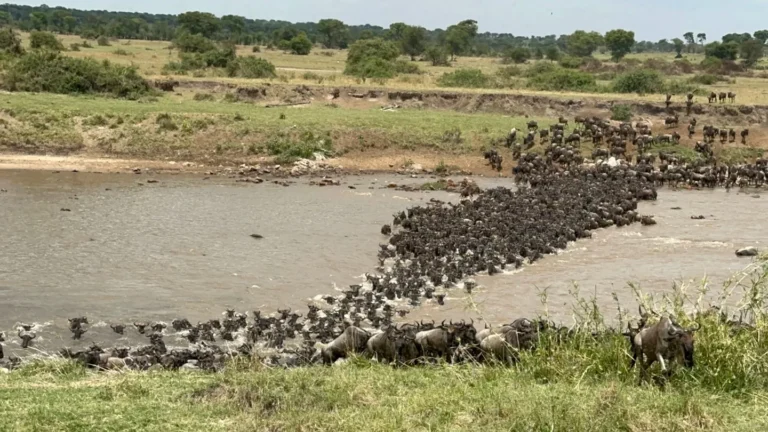
It's less ideal for the first-timer on a single short trip who wants the surest, easiest game-viewing and can't risk a couple of quieter drives, and it's the wrong call if you're specifically chasing a dry-season spectacle like the Mara River crossings, which happen when the land is dry. If that's you, pay for the peak and don't look back – the logic doesn't apply. For everyone else, the value is hard to ignore, as our peak vs shoulder season guide weighs up.
Read: the Great Migration month by month → Where calving and the green months put the newborns and the predators. See the calendarFive questions to ask before you book the rains
- Is it my first, short safari? If so, weigh whether you can risk the odd quieter drive for the saving.
- Am I chasing a dry-season event? The Mara crossings need the dry season – the green months won't deliver them.
- Do I value price and quiet over easy spotting? If yes, the green season is made for you.
- Which month exactly? The shoulders (Nov, May) are gentler than the peak of the long rains around April.
- Are my chosen camps open? A few close in the heaviest rains – confirm before you fix dates.
So is it worth it?
If value, lush scenery, birding, newborns or empty parks appeal – and you can accept a little rain and slightly harder spotting. For photographers and budget travellers especially, it's the best-value safari of the year.
If it's your one short trip and you want the easiest, surest game-viewing, or you're specifically after a dry-season spectacle like the river crossings. Pay the peak premium and enjoy the certainty.
Travel in the green-season shoulders – November or May – for most of the value and lushness with a lower chance of a washout. Often the smartest compromise of the lot.
The rains aren't the risk they're made out to be – they're a trade, and often a good one. Give up guaranteed-easy spotting and accept a passing storm, and you get emptier parks, greener plains and a materially cheaper trip. For a lot of travellers, that's not the off season at all – it's the sweet spot.
Seasons, rain patterns and savings are typical 2026 figures and vary by region and year. Green-season timing differs across East and Southern Africa. Some camps close in the heaviest rains. Confirm current conditions, camp openings and rates with your operator before booking.
Sources & price notes
Seasonal savings, rain patterns and green-season wildlife highlights are typical 2026 figures that vary by region and year. The Maasai Mara off-peak fee ($100 Jan–Jun vs $200 Jul–Dec) follows the official Maasai Mara schedule (Narok County). Savings figures move with region, month and operator – confirm current rates and camp openings before booking.