Accommodation guides · Trust
How to Read Safari Lodge Reviews Without Being Misled
A safari lodge's star rating tells you almost nothing, because the two things that make a safari – the location and the guiding – are the two things most reviews barely mention. Meanwhile the extremes shout loudest: a five-star rave written by the owner's cousin, a one-star fury over a Wi-Fi outage. Reading reviews well is less about counting stars and more about knowing which words to trust and which to ignore.
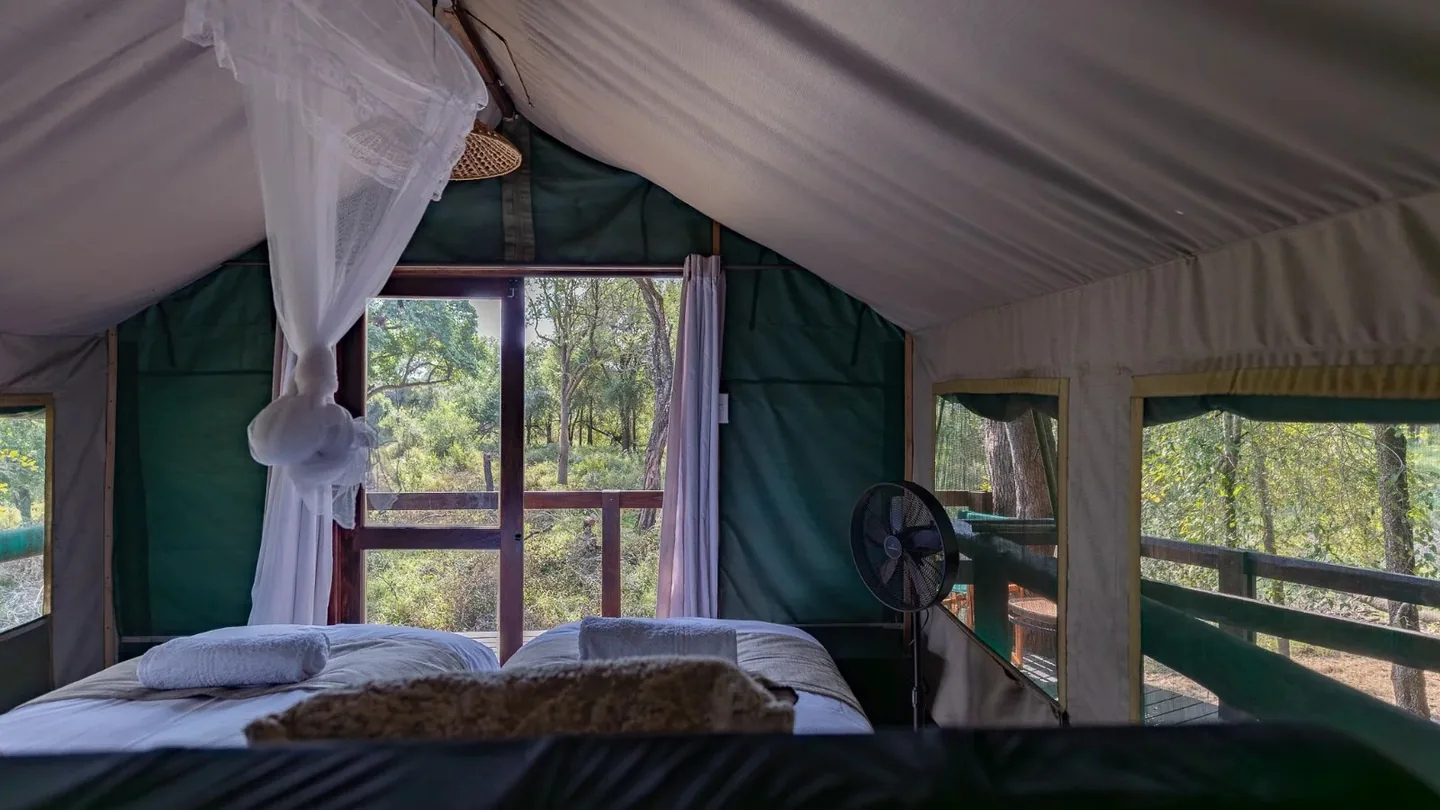
A useful review tells you how the lodge works in its landscape, not how many adjectives the room deserves. The Safari Atlas
The quick answer
Ignore the headline star rating and read the detailed middle reviews – the three- and four-star write-ups are usually the most honest, because the extremes are the most likely to be planted or overwrought. Look for specifics about the things that matter on safari: the location (how close to the wildlife), the guiding, and whether the service was consistent. Vague praise and vague fury are both worth discounting.
Cross-check a few independent sources, weigh recent reviews over old ones, and treat any lodge with only glowing five-stars and no substance with suspicion. The truth is in the details, not the average.
Key facts
- Stars mislead: the average hides what matters and is easy to skew – read the words, not the number.
- Middle reviews are gold: 3–4 star, detailed reviews are usually the most balanced and honest.
- Location and guiding matter most: look for reviews that mention drive times and the guide by name.
- Extremes are suspect: gushing 5-stars and furious 1-stars are the most likely to be fake or overwrought.
- Recency counts: camps change hands and standards drift – weight recent reviews more heavily.
- Cross-check sources: read across independent platforms, not just the lodge's own site.
Why the star rating misleads
The average star rating is the first thing you see and the least useful. It compresses everything – location, guiding, food, Wi-Fi, a single bad night – into one number, and on safari it's especially blunt because it buries the things that actually decide your trip. A lodge can score 4.7 stars on comfort and food while sitting an hour from the wildlife with mediocre guiding, and the number won't tell you. It's also the easiest metric to skew, by a handful of planted raves or one aggrieved guest.
So treat the star rating as a rough filter, not a verdict – useful for excluding the genuinely dire, useless for choosing between good options. The signal you want lives in the written reviews, and specifically in what they choose to describe. This is the same "read the detail, not the headline" discipline our is your quote fair guide applies to prices.
Read the middle reviews
Here's the counterintuitive tip that changes how you read: skip past the five-star and one-star reviews and go straight to the three- and four-star ones. The extremes are the least reliable – a five-star rave is the most likely to be planted or written in a post-holiday glow, and a one-star fury is often about a single mishap (a delayed transfer, a cold shower) that says little about the lodge overall. The middle reviews, by contrast, tend to be written by balanced guests who liked the place but noticed its flaws.
Those are the reviews that tell you the useful truth: what the lodge does well, where it falls short, and whether the shortfalls would bother you. A four-star review that says "wonderful guide and great location, but the food was repetitive" is far more actionable than a five-star "paradise!!!" – it hands you a real, weighable trade-off. Learn to value the measured over the ecstatic and you'll read reviews far more accurately.
See reviewed, vetted safari lodges → Camps assessed on location and guiding, not just star ratings. Check datesLook for what matters on safari
Most reviews dwell on the wrong things – the decor, the Wi-Fi, the breakfast buffet – because those are what people notice at a hotel. On safari, the two things that actually make or break your trip are the location and the guiding, so those are the words to hunt for. A great review mentions how close the camp is to the wildlife ("we saw lions ten minutes from camp", "long drives to reach the action"), because a well-placed camp means more game time, as our inside vs outside the park guide stresses.
Even better, look for reviews that name the guide and describe the guiding – "our guide found a leopard by reading the alarm calls" tells you something a star rating never could, since a great guide finds far more than a lucky one. Consistency matters too: several reviews praising the service and guiding, rather than one, suggests it's reliable rather than a fluke. Prioritise reviews that speak to location, guiding and consistency, and mentally set aside the ones obsessing over thread count.
Spotting fake and planted reviews
Fake and planted reviews are real, and a few tells help you catch them. Be wary of reviews that are vague and gushing with no specifics – "amazing experience, highly recommend!!!" with nothing concrete is the signature of a planted rave. Watch for clusters of five-star reviews posted close together in time, often just after a run of poor ones – a sign of a reputation clean-up. And note reviewer profiles: an account with a single review, ever, praising one lodge, deserves skepticism.
On the negative side, discount the lone furious outlier that contradicts everything else – a single one-star rant about a personal grievance, surrounded by measured positive reviews, usually says more about that guest's day than the lodge. The goal isn't paranoia; it's calibration. Read enough reviews and the genuine pattern emerges from the noise, and the planted and the petty stand out against it. When in doubt, a reputable operator's honest assessment beats any anonymous review, as our avoid safari scams guide notes.
Which reviews to trust vs discount
Want an honest read on a lodge you're considering?
Reviews only get you so far – an operator who's been there gets you the rest. Tell us the camps you're weighing up and your priorities, and our safari planning team will give you a straight assessment of location, guiding and fit, beyond the star ratings. No obligation.
Cross-check and weigh recency
Two final habits sharpen everything. First, cross-check across independent sources rather than trusting one platform – and be especially cautious of testimonials on the lodge's own website, which are curated by definition. When the same strengths and the same niggles show up across several independent platforms, you can believe them; when a glowing picture appears in only one place, be wary. Traveller forums like Reddit and Tripadvisor are useful for recurring concerns, though not the sole authority.
Second, weight recent reviews more heavily. Camps change hands, managers move on, and standards drift – a rave from three years ago may describe a lodge that no longer exists in the same form. A cluster of consistent reviews from the last year or two is far more reliable than a stellar average built up over a decade. Read recent, read across sources, and read the details – do those three and reviews become a genuinely useful tool rather than a trap.
Read: how to choose a safari operator → Vetting the people behind the trip, not just the lodges. See the guideFive questions to ask of any review
- Is it specific? Vague praise or vague fury tells you little – details tell you the truth.
- Does it mention location or the guide? The two things that actually matter on safari.
- Is it recent? Standards drift – weight the last year or two most heavily.
- Do several reviews agree? Consistency across reviews means it's reliable, not a fluke.
- Does it appear across sources? Cross-check independent platforms, not just the lodge's own site.
So how should you read them?
Read the three- and four-star reviews with specifics, especially ones that mention location, drive times and the guide by name. Weigh recent reviews most, and look for themes that repeat across sources.
Set aside the vague gushing five-stars and the lone furious one-stars – both are the most likely to mislead. Be wary of clusters posted together and accounts with a single review.
Reviews narrow the field; a reputable operator who's actually visited closes it. For the final call on location and guiding, an honest human assessment beats any anonymous star rating.
Don't let a star rating choose your camp. Read past it – to the detailed middle reviews, to the words about location and guiding, to the themes that recur across recent, independent sources. Do that, discount the extremes, and back it up with a trusted operator's read, and reviews become exactly what they should be: a tool, not a trap.
Review-reading guidance is general 2026 best practice. Platforms and lodge ownership change, so treat any single review with caution and cross-check. Confirm a lodge's current location, guiding and standards with a reputable operator before booking.
Sources & notes
The value of detailed middle reviews, the unreliability of extremes, and the importance of recency and cross-checking are widely recognised review-reading principles. Traveller forums (Reddit, Tripadvisor) are useful for recurring concerns but not a sole authority – verify a lodge's current standards with a reputable operator before booking.