Planning guides · First safari
Private vs Shared Safari: Is the Upgrade Worth It?
The animals don't know which vehicle you're in. What you're really buying with a private safari isn't better wildlife – it's control: over the pace, the stops, and how long you linger at a sighting. Whether that control is worth the premium comes down to how many of you are travelling and how much you'd chafe at someone else's timetable.
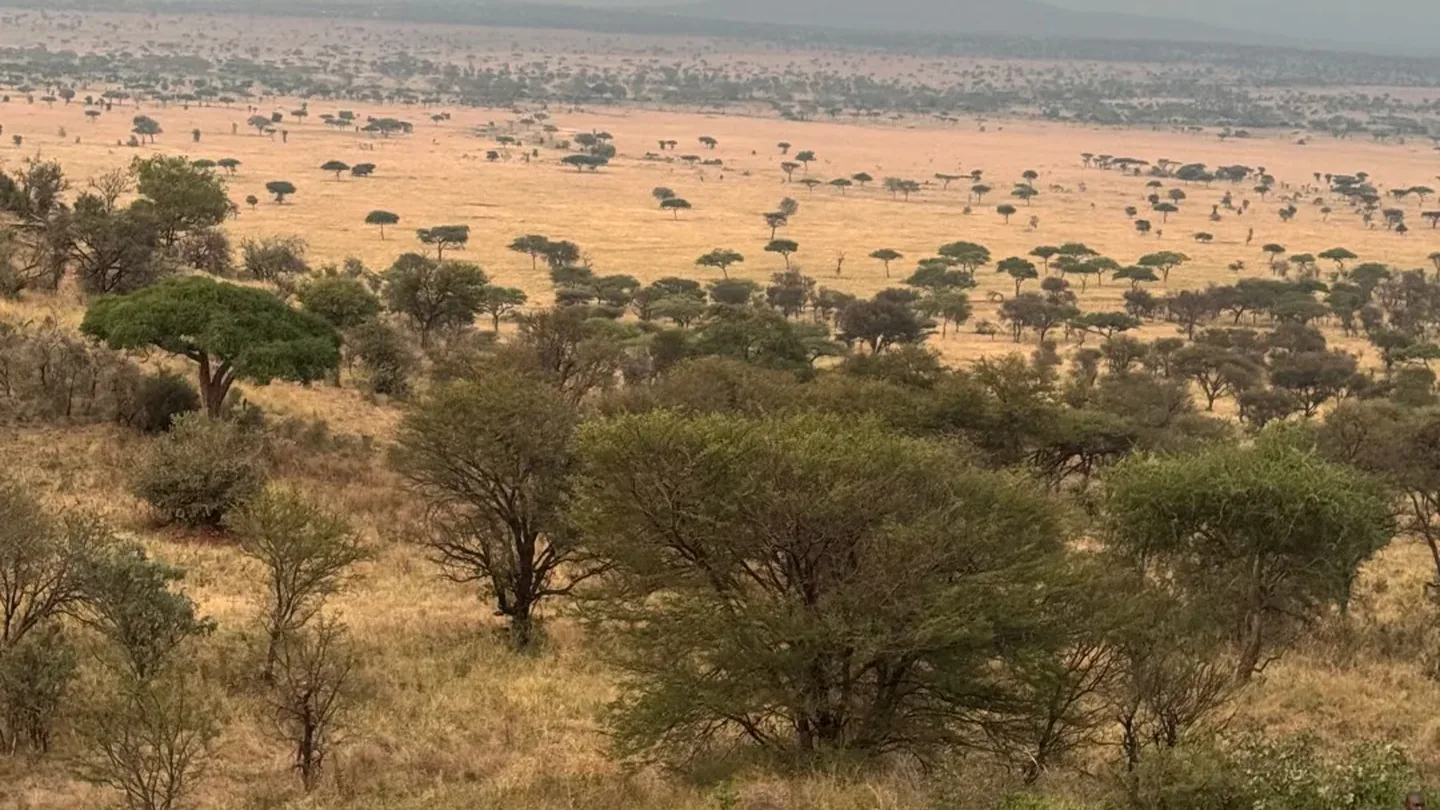
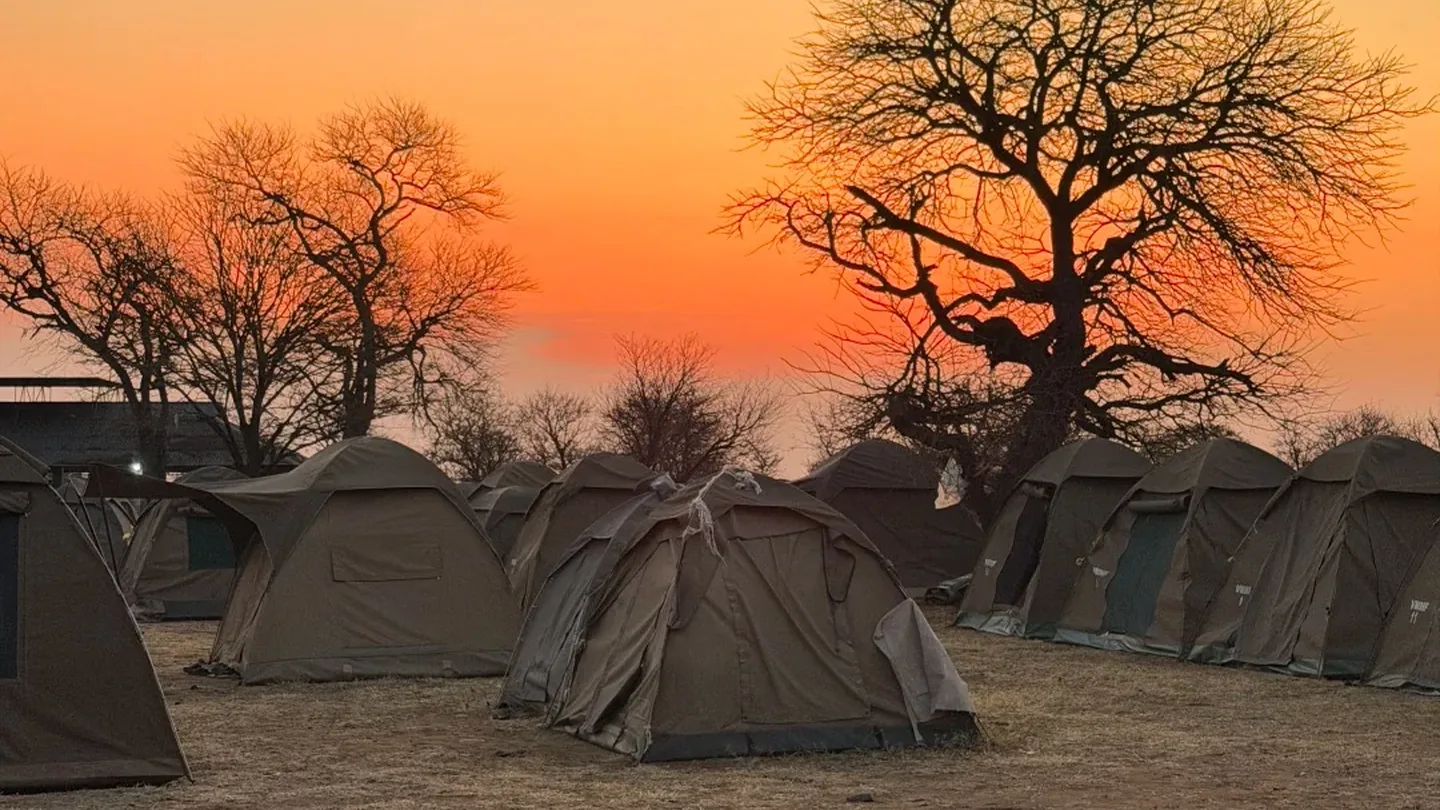
A private safari can change the rhythm of the day as much as the room at the end of it. The Safari Atlas
The quick answer
A shared group safari is the value option: you split a vehicle and guide with strangers, typically paying around $150–$350 per person per day. A private safari gives you the vehicle and guide to yourselves – full control of the pace and stops – usually from $450–$600+ per person per day.
The private premium shrinks fast as your own group grows, because that fixed vehicle cost is split more ways. For a couple or a solo traveller on a budget, shared is smart. For a family or group of four, or anyone serious about photography, private often costs little more per head and is worth it. Neither is a wrong answer.
Key facts
- Shared (group): roughly $150–$350 per person per day; you share a 4x4 with other travellers.
- Private: roughly $450–$600+ per person per day; the vehicle and guide are yours alone.
- Fixed cost: a private vehicle costs about the same for one guest or four – so per-head cost falls with group size.
- Comfort sweet spot: 4–6 guests per vehicle keeps a window seat for everyone; above 6 gets cramped.
- Solo travellers often face a single supplement of about 50–80% on accommodation, sometimes waived in low season.
- Below 4 guests, some group departures may be cancelled or carry a small-group supplement.
What actually differs
Start by clearing up what doesn't change. Both trips visit the same parks, follow the same rough routes and see the same wildlife – a lion sighting is a lion sighting from either vehicle. The difference is entirely about the vehicle and the timetable around it.
On a shared safari, you join a scheduled departure and share a 4x4 with other travellers – often strangers, sometimes people you'll happily swap emails with by the end. The route and daily timings are set, the vehicle stops where the group agrees, and you move at the group's pace. On a private safari, the vehicle, driver-guide and itinerary are yours: you decide when to leave, how long to sit with a leopard, whether to skip breakfast for a sighting or head back early. It's the difference between a set menu and ordering off the card, and it's the backbone of most tier decisions in our first-safari planning guide.
The cost gap, and why it shrinks
On paper the gap looks large. A shared group safari commonly runs $150 to $350 per person per day; a private tailor-made trip usually starts around $450 to $600 and climbs. In Tanzania specifically, group trips often start at $200–$300 per person per day against $400–$700 for private, depending on camp standard.
But the private premium behaves differently from the sticker suggests, and this is the part worth understanding. A private vehicle's cost is largely fixed – you're paying for exclusive use of a Land Cruiser and guide, and that number barely moves whether one person sits in it or four. A shared safari splits that same fixed cost across a group of strangers. So the more people in your own party, the smaller the private premium per head. For a solo traveller, private is a steep jump; for a family of four sharing one private vehicle, the per-person cost can land surprisingly close to a shared trip – sometimes close enough that there's little reason not to have the vehicle to yourselves.
Cost per person per day · 2026
| Factor | Shared (group) | Private |
|---|---|---|
| Cost per day | $150–$350 pp | $450–$600+ pp |
| The vehicle | Shared with strangers | Yours alone |
| Pace & stops | Set by the group | Entirely your call |
| Departure | Fixed dates | Any date you like |
| Best for | Solo & couples on a budget | Families, groups, photographers |
What control really buys you
The word to hold onto is "control", because it's abstract until a sighting tests it. On a shared vehicle, imagine you've found a leopard draped over a branch in perfect light. You want another twenty minutes; two others are hungry and want breakfast; one wants to push on to look for rhino. The guide has to broker it, and someone leaves unhappy. On a private vehicle, you stay as long as you like, and no one minds.
That's the real product. It shows up most for photographers, who need to hold a position and wait for the shot; for families with young children, who may need to cut a drive short or take a break without a busful of strangers sighing; and for anyone who simply hates travelling to another person's clock. If none of that describes you – if you're easygoing, sociable and happy to go with the flow – the control you're paying for is control you might never actually use.
Private or shared – which works out cheaper for your group?
The answer depends entirely on how many of you are travelling. Tell us your group size, budget and dates and our safari planning team will price both a shared departure and a private trip for you, side by side, so you can see the real per-person gap. No obligation.
Solo travellers and the single supplement
For solo travellers the calculus flips, and there's a trap worth naming. Going private on your own means carrying the entire vehicle cost alone, which is expensive. A shared departure is usually the far better value: you split the 4x4 with others and pay a per-seat rate. So far, so obvious.
The catch is accommodation. Lodge rooms are priced on two people sharing, so a solo traveller often pays a single supplement – commonly around 50 to 80 percent on top of the per-person rate – to have a room to themselves. That can quietly undo the saving from sharing the vehicle. The good news: some operators and lodges waive or reduce the supplement in the low season, and dedicated small-group departures are built to keep solo costs sane. If you're travelling alone, our solo safari guide goes deeper on keeping both numbers down.
The seat and group-size question
One thing a good shared trip and a good private trip share is a sensible number of people in the vehicle. The comfort sweet spot is four to six guests per 4x4: everyone gets a window seat and an unobstructed view, and the vehicle isn't crawling. Above six, long game drives get cramped and someone's always craning over a shoulder for the photo. Below four, some scheduled group departures either carry a small-group supplement or, occasionally, get cancelled for want of numbers.
So when you compare a shared quote, the question isn't just the price – it's how many seats are in the vehicle and whether every one is a window. A cheap trip that packs seven into a minivan is a false economy. This is where vehicle type matters too, which we cover in our safari vehicle guide.
Browse private safari itineraries → Your own vehicle, guide and pace – priced for couples, families and groups. See optionsFive questions to ask before you choose
- How many are in my own party? The more of you, the smaller the private premium per head – it can be close to a shared price.
- How many seats in the shared vehicle? Aim for a guaranteed window seat; four to six is comfortable, seven-plus is not.
- Am I a photographer or travelling with kids? If so, the control of a private vehicle is worth real money.
- Solo? What's the single supplement? Ask the figure in writing – it can wipe out the saving from sharing a vehicle.
- Are my dates fixed or flexible? Shared departures run on set dates; private goes whenever you want.
So which should you book?
If you're solo or a couple on a budget, sociable, and happy to travel at a group's pace. It's the honest value option – the same wildlife for a good deal less, as long as the vehicle isn't overloaded.
If you're a family or group of four-plus, a keen photographer, or someone who wants full control of the pace. With a few of you sharing the vehicle, the premium per head is often modest and well spent.
For a couple who value flexibility but watch the budget, get both priced. Sometimes the private gap is small enough to justify; sometimes a well-run shared trip is the smarter buy. Let the actual numbers decide.
Don't pay for control you won't use, and don't cram into a full minivan to save a little if the trip's a once-in-a-lifetime one. Work out how many of you are sharing the vehicle first – that single fact settles most of this decision before budget even enters the room.
Cost ranges are typical 2026 mid-market figures and vary widely by country, season, camp standard and group size. Single supplements differ by lodge and season. Confirm the per-person rate, vehicle occupancy and any supplement in writing with your operator before booking.
Sources & price notes
Private and shared day-rate ranges, group-size comfort thresholds and single-supplement figures are typical 2026 figures that vary by operator and season. Figures are typical mid-market ranges that move with season, camp standard and party size – confirm current rates, vehicle occupancy and any single supplement with your operator before booking.