Planning guides · Comparisons
Botswana vs Tanzania Safari: Which Is Worth It?
This isn't really a wildlife contest – both deliver world-class game viewing. It's a contest between two philosophies of safari. Botswana chose fewer visitors and higher prices, by law. Tanzania chose access, the migration and scale. Which is worth it depends entirely on which of those you're buying.
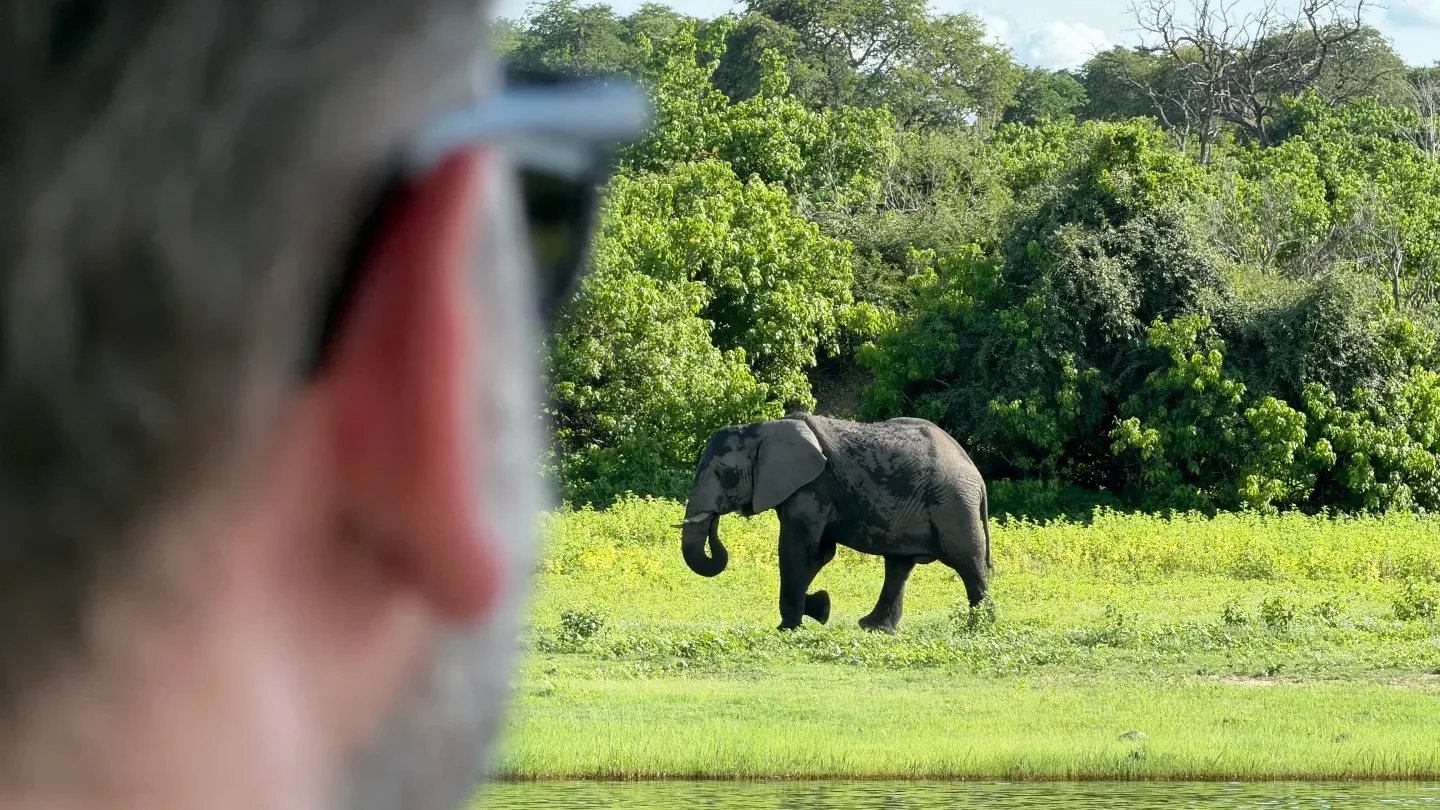
In Chobe, some of the most intimate wildlife encounters happen from the water. The Safari Atlas
The quick answer
Botswana is the premium, low-volume choice: the water-based Okavango Delta, tiny vehicle numbers at sightings, and prices to match – mid-range from around $600–$800 a night, luxury $1,000–$2,500+. Tanzania is the higher-volume, better-value choice: the vast Serengeti, the Great Migration, and mid-range from roughly $250–$500 a day.
Choose Botswana for exclusivity, honeymoons and serious photography. Choose Tanzania for the migration, scale and value. Both are superb; they're just aimed at different travellers.
Key facts
- Botswana's model: deliberate low-volume, high-value tourism, written into concession law – typically 2–4 vehicles at a sighting.
- Tanzania's model: higher volume and better access; famous crossings can draw 20+ vehicles.
- Cost: Botswana mid-range ~$600–$800/night, luxury $1,000–$2,500+ (top camps far higher); Tanzania mid-range ~$250–$500/day.
- Signature landscape: Botswana's water-based Okavango Delta (mokoro, boats); Tanzania's grass plains and the Serengeti.
- The migration: only Tanzania (with Kenya) has the Great Migration.
- Access: Botswana's best camps are fly-in only; Tanzania mixes road and light-aircraft.
Two different safari models
To understand the price gap, you have to understand the policy behind it. Decades ago Botswana chose a deliberate high-value, low-volume path: strict caps on visitor numbers, concession law that limits camps and vehicles, and a premium price that funds conservation and keeps the wilderness empty. It's not that Botswana is expensive by accident – exclusivity is the product.
Tanzania took the opposite road: broad access, more camps, more vehicles, and prices that put a world-class safari within reach of far more travellers. The Serengeti and the migration are national treasures shared widely. Neither approach is wrong – but they produce very different trips, and the whole comparison flows from this one choice.
Botswana vs Tanzania at a glance · 2026
| Factor | Botswana | Tanzania |
|---|---|---|
| Model | Low-volume, high-value | Higher-volume, better value |
| Mid-range cost | ~$600–$800 / night | ~$250–$500 / day |
| Vehicles at a sighting | Typically 2–4 | Can be 20+ at crossings |
| Signature | Okavango Delta (water) | Serengeti & the migration |
| Access | Mostly fly-in | Road & light aircraft |
Which is more expensive?
Botswana, clearly and by design. A comparable semi-permanent tented camp can run around $800 per adult per night in the Okavango against roughly $400 in the Serengeti. Botswana's mid-range floor sits near $600–$800 a night, luxury concessions run $1,000–$2,500+, and the very top Delta camps climb far higher still. Tanzania's mid-range lands around $250–$500 per day, with luxury from roughly $900 upward.
That premium isn't just markup – it's what the visitor caps cost. Fewer beds and fewer vehicles across the same wilderness mean each guest carries more of the overhead, and the fly-in-only access adds aircraft to nearly every itinerary. For a fuller picture of what safaris cost across the continent, see our safari cost guide. If budget is the deciding factor, Tanzania wins comfortably; if it isn't, the question changes.
Crowds and exclusivity
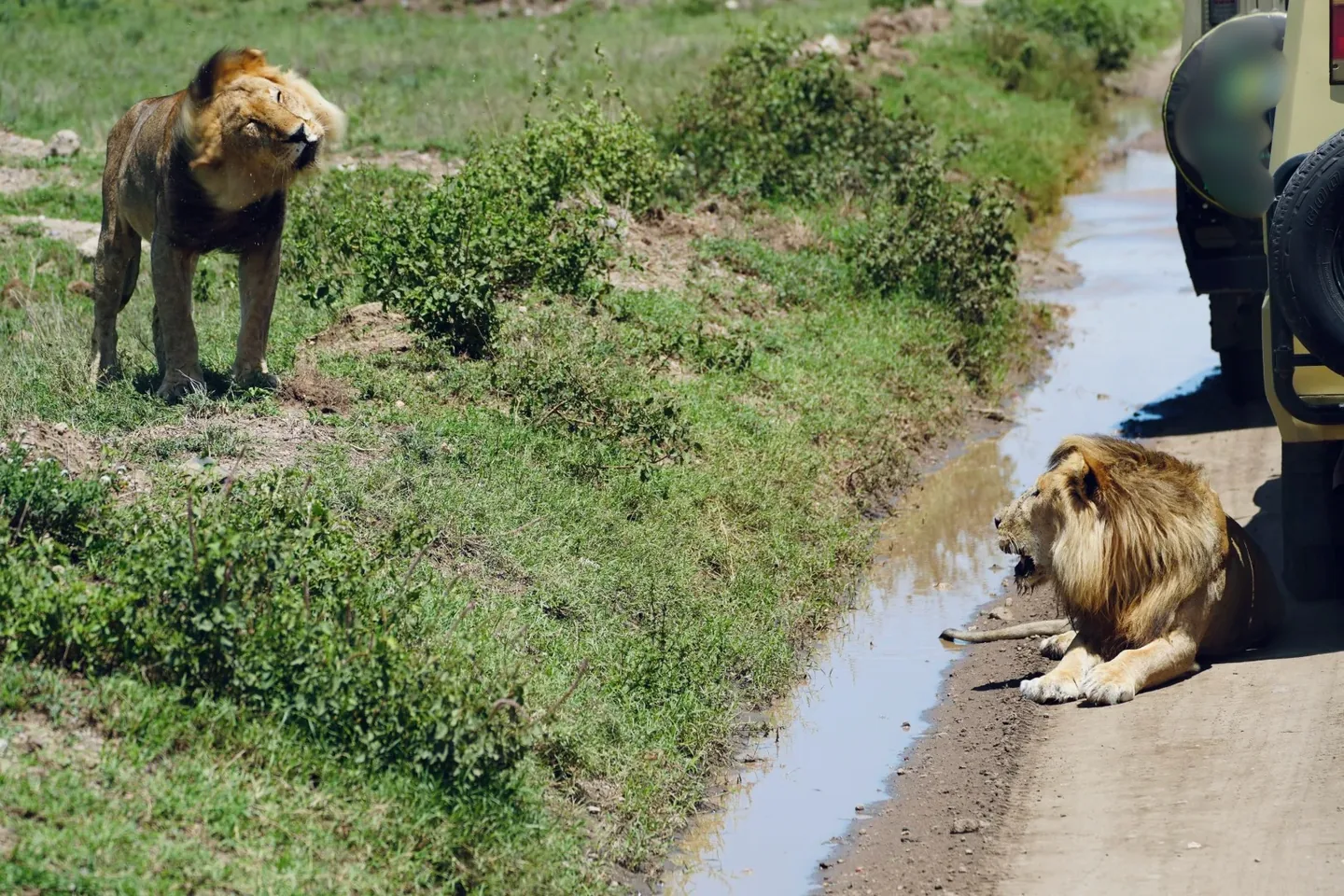
This is where the premium earns its keep. In Botswana's Okavango, vehicle numbers at a sighting are typically two to four; in Tanzania's most popular scenes – a Mara-side river crossing, the Ngorongoro Crater floor – you can share the moment with twenty or more. Vehicle congestion at the crossings has drawn criticism from conservationists and guides for years.
If having a sighting largely to yourself matters – for the atmosphere, or for photography without other vehicles in frame – Botswana delivers it in a way high-season Tanzania structurally can't. Tanzania's counter is space: away from the famous hubs, the Serengeti is enormous and often empty. But at the marquee moments, exclusivity is Botswana's to sell.
Premium or value? We'll steer you right
Tell us your budget, dates and whether exclusivity or the migration matters more. Our safari planning team will point you to Botswana or Tanzania – and send back a costed itinerary that fits. No obligation.
The Okavango vs the Serengeti
The scenery is a genuine point of difference, not just a price one. Botswana's signature is water: the Okavango Delta floods the Kalahari each year, creating a maze of channels and islands you explore by mokoro (dugout canoe) and boat as much as by vehicle – a gentler, more intimate kind of safari, rich in elephant, hippo, wild dog and birdlife. Chobe adds huge dry-season elephant herds.
Tanzania's signature is grass and sky: the endless Serengeti plains, the Ngorongoro Crater's contained density, and the drama of a million-strong migration moving across it. It's the classic, cinematic idea of Africa. Water safari or plains safari is a real choice of experience – some travellers strongly prefer one over the other regardless of price.
Wildlife and the migration
Both offer the Big Five and superb predator viewing, so raw wildlife isn't the separator. The decisive difference is the Great Migration, which only Tanzania (with Kenya) has – over 1.5 million wildebeest and the river crossings that go with them. If seeing the migration is on your list, Botswana simply can't offer it.
Botswana's trump cards are different: it's one of the best places on earth for wild dog, its water-based game viewing brings species and behaviours you won't see on the plains, and the low vehicle numbers make big-cat sightings feel private. Choose by the specific experience you're chasing, because both deliver excellence – just of different kinds.
Read: Great Migration month by month → If the migration is the draw, here's exactly when and where. See the calendarWho each one suits
Botswana is the honeymoon, milestone-trip and serious-photography choice – travellers for whom privacy, water safaris and near-empty sightings justify the premium, and who are usually on a second or third safari. Tanzania is the choice for first-timers, families watching the budget, and anyone who came specifically for the migration and the classic plains.
Our hill to die on: unless exclusivity or the Okavango's water is genuinely the thing you're paying for, most travellers get more safari per dollar in Tanzania – and the wildlife gap doesn't justify Botswana's premium on its own. If empty sightings and a mokoro at dawn are exactly what you came for, that logic doesn't apply to you, and Botswana is worth every cent.
Talk to a specialist → We'll cost a premium Okavango trip and a value Serengeti one, side by side. Get a proposalFive questions to ask before choosing
- What's my budget per night? Botswana's floor is roughly double Tanzania's – this alone decides it for many.
- Do I want the migration? Only Tanzania has it. If it's on your list, the choice is made.
- How much do crowds bother me? Botswana's 2–4 vehicles vs Tanzania's peak 20+ is the core trade.
- Water or plains? The Okavango's channels or the Serengeti's grass – a real preference for many travellers.
- Is this a first safari or a special one? First-timers lean Tanzania; milestone and photography trips lean Botswana.
So which is worth it?
For value, the Great Migration, and the classic plains – especially on a first safari or a budget. More safari per dollar, with space to escape the crowds if you get off the hubs.
For exclusivity, the water-based Okavango, and near-empty sightings – honeymoons, milestone trips and photography. The premium buys privacy money can't easily replace elsewhere.
They're different enough to be different holidays. Do Tanzania and the migration first; save Botswana's Delta for a later, more indulgent trip.
Decide what you're actually buying – exclusivity or the migration, water or plains, privacy or value – and the answer follows. The wildlife is superb either way; the experience around it is what your money is really choosing.
Cost ranges are typical 2026 figures for planning only and vary widely by region, camp, season and inclusions. Botswana's fly-in access and peak-season loading can move totals significantly – confirm current rates and what a quote includes with your operator before booking.