Planning guides · Families
Best Family Safari in Africa: Where to Go with Kids
The best family safari isn't the one with the most famous park. It's the one where you're not counting down mosquito hours or negotiating a four-hour game drive with a bored six-year-old. For families with young children, malaria-free reserves and lodges that actually plan for kids beat the big-name destinations more often than not.
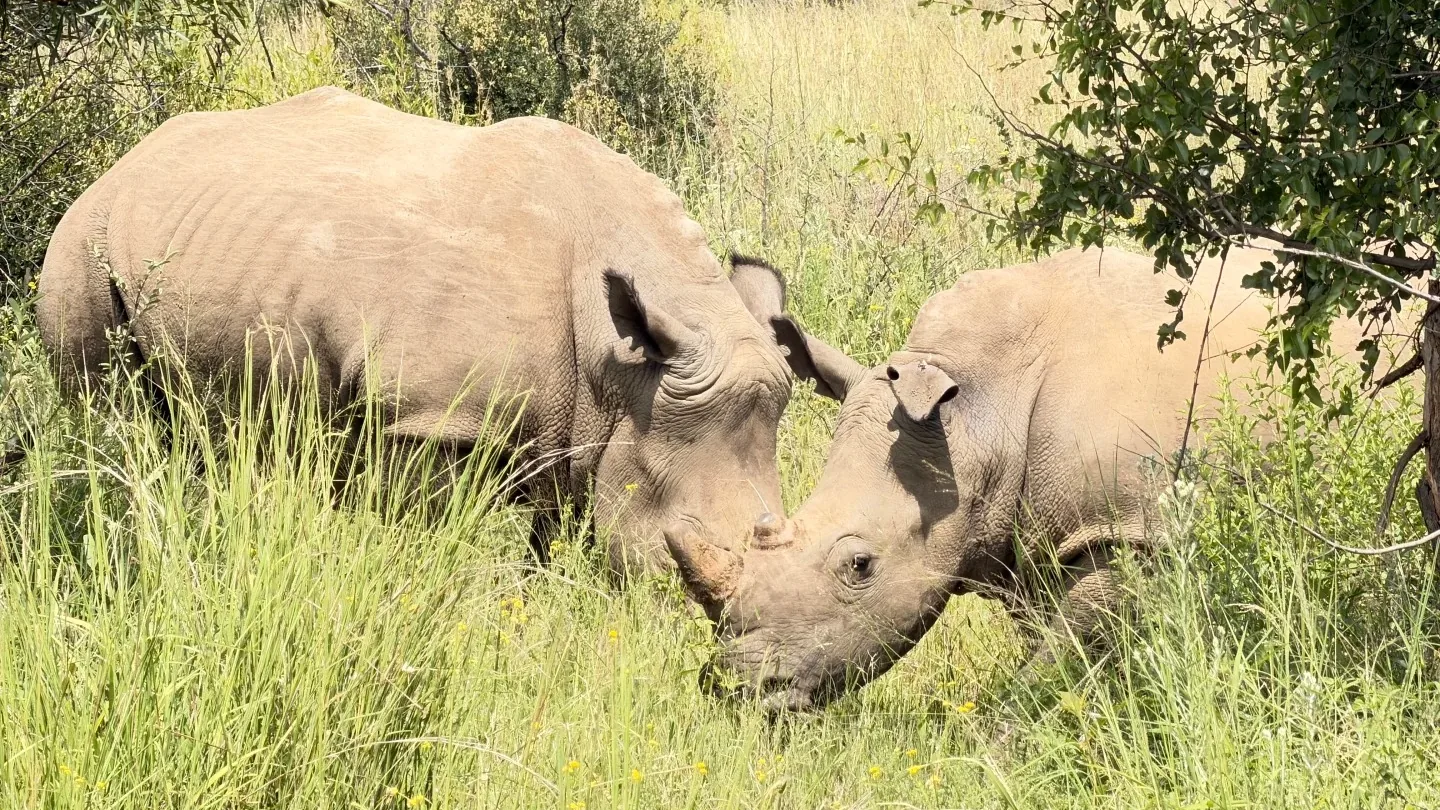
A family safari becomes unforgettable when the family in view is this formidable. The Safari Atlas
The quick answer
For families with children under about 8, South Africa's malaria-free reserves – Madikwe, Pilanesberg, and the Eastern Cape (Addo, Shamwari, Kariega) – are the safest, easiest choice: Big Five viewing, no anti-malarials, short flights, and lodges built around kids. For older children and teens, the classic East African parks open up, malaria precautions and all.
Around age 6 is the sweet spot where most children genuinely get the most from a safari. Younger than that works best with a private vehicle and a lodge that welcomes little ones.
Key facts
- Best for young kids: malaria-free reserves in South Africa – Madikwe, Pilanesberg, Eastern Cape (Addo, Shamwari, Kariega).
- Sweet-spot age: around 6 and up; under-6s do best with a private vehicle and a kid-friendly lodge.
- Big Five without anti-malarials: Madikwe (75,000 ha) rivals Kruger and is completely malaria-free.
- Best time: the dry winter, roughly May to October, with the lowest mosquito activity – and it lines up with summer holidays.
- Look for: family suites or interleading rooms, junior-ranger programmes, shorter kids' game drives, and a private vehicle option.
- Health: confirm malaria status and any vaccines for your exact route with a travel clinic before booking.
Where to take kids on safari
Start with one decision – malaria-free or not – and the map narrows fast. For families with young children, the standout region is South Africa's cluster of malaria-free Big Five reserves, close to Johannesburg and easy to pair with Cape Town.
Madikwe is the headline: South Africa's fifth-largest reserve at 75,000 hectares, completely malaria-free, with Big Five viewing that genuinely rivals Kruger and a rare policy of welcoming children of all ages at most lodges. Pilanesberg, set in an ancient volcanic crater about two hours from Johannesburg, is the most accessible malaria-free Big Five park, with everything from affordable rest camps to luxury lodges and a self-drive option. The Eastern Cape – Addo Elephant National Park, Shamwari, Kariega – adds a self-drive-friendly, whale-and-elephant angle you can bolt onto the Garden Route.
Older children and teenagers can handle the classic East African circuits – the Maasai Mara, the Serengeti – where the trade is genuine malaria precautions in exchange for the migration and the open plains.
Family destinations by suitability · 2026
What age is best for a safari?
There's no legal cut-off, but there is a practical one. Most families find that from around six years old children get the most from a safari: they can sit through a game drive, remember it afterwards, and take part in a junior-ranger programme. That's when the trip stops being something you do to a child and becomes something they do with you.
Younger than six absolutely works – the malaria-free reserves are ideal for toddlers, and many lodges welcome little ones – but plan for it. A private vehicle means you set the pace, cut a drive short when attention runs out, and don't worry about a tired toddler affecting other guests. Some premium lodges set minimum ages (often 6, 8 or 12) for shared vehicles or walking activities, so check each property's policy rather than assuming.
Why malaria-free matters for families
This is the single biggest reason South Africa dominates family safari planning. Anti-malarial medication for young children is a real complication – some drugs aren't suitable below certain ages or weights, side effects are unpredictable, and the daily routine of pills on a holiday with kids is nobody's idea of relaxing.
A malaria-free reserve takes the whole question off the table. You still get the Big Five, expert guiding and beautiful lodges – Madikwe in particular gives up very little to Kruger – without the medical planning. It's not that East Africa is unsafe for families; it's that the malaria-free option removes a variable that weighs heavier when small children are involved. Confirm the current malaria status of any specific area with a travel clinic, since risk maps are updated over time.
Planning a family trip? Tell us the ages
Send your children's ages, your dates and whether malaria-free is a must. Our safari planning team will match you to reserves and lodges that actually suit your family – private vehicle, kids' programmes, the lot. No obligation.
What makes a lodge good for kids
The brochure photos won't tell you this, so it's worth knowing what actually matters. Room design first: family suites, interleading rooms, or enough space for an extra bed or cot, so nobody's sharing a king with a restless five-year-old. Then the daily rhythm – flexibility around early dinners, nap windows and shorter game drives is worth more than any single facility.
The lodges that get families right lean into play and learning: junior-ranger programmes, track casting, craft activities, nature talks, stargazing. And the safety details are the quiet clincher – fenced areas where appropriate, clear rules around water, and staff trained to guide children kindly but firmly. A lodge with a treehouse room and a kids' game drive will do more for your trip than one with a bigger wine list.
Browse kid-friendly lodges → Family suites, junior-ranger programmes and private-vehicle options. See optionsWhat a family safari costs
Families have one big lever most travellers don't: children's rates and shared rooms. Many lodges offer reduced or free rates for children sharing with parents, and a family suite is usually cheaper per head than two doubles. The offsetting cost is the private vehicle you'll often want with young kids, which is sometimes charged on top.
As a planning guide, a malaria-free South African family safari at a comfortable mid-range lodge tends to land in a similar band to a mid-range trip elsewhere – roughly $350 to $600 per adult per day – with children often materially less. The real savings come from timing and routing: travel in the dry winter shoulder, base yourselves in one reserve rather than chasing several, and keep flights short by staying close to Johannesburg.
When to go with children
The dry winter months – roughly May to October across Southern Africa – are the family sweet spot on every count. Game viewing is at its best as animals gather at water, days are cooler and more comfortable for kids, and mosquito activity is at its lowest even in the malaria-free reserves. Conveniently, those months line up with the northern-hemisphere summer holidays, so you're not pulling anyone out of school.
The trade-off is that this is peak season for rates and availability, so family suites and interleading rooms – of which every lodge has only a few – book up early. If your dates are flexible, the shoulder months on either side offer softer prices with most of the same benefits.
Talk to a family-safari specialist → Operators who build trips around kids' ages, school holidays and private vehicles. Get a proposalFive questions to ask before booking a family safari
- Is the reserve malaria-free? For under-8s this is usually the first filter. Confirm the current status with a travel clinic, not just the brochure.
- What's the minimum age for game drives and walks? It varies by lodge and activity – check before you fall in love with a property.
- Can we have a private vehicle? With young children this is the difference between a relaxed drive and a stressful one.
- What are the room configurations? Family suites and interleading rooms are limited – book early or you'll be splitting the family up.
- Is there a junior-ranger or kids' programme? The lodges that plan for children make the whole trip easier and more memorable.
So where should your family go?
If you have children under about 8, or you'd simply rather not deal with anti-malarials. Madikwe, Pilanesberg and the Eastern Cape deliver the Big Five, kid-friendly lodges and short flights, easily paired with Cape Town.
If your children are older or teenaged and the migration and open plains are the draw. Take proper malaria precautions and lean toward private-vehicle trips and family-minded camps.
If you want a gentle first taste. A couple of nights in a malaria-free reserve plus Cape Town or the Garden Route is an easy, low-stress introduction for younger families.
Whichever you pick, lead with your children's ages and the malaria question, then choose the lodge for how it treats kids – not just how it photographs. Get those right and the wildlife takes care of itself.
Malaria status and minimum-age policies vary by area and lodge and change over time. This guide is for planning only – confirm current health guidance with a travel clinic and each lodge's child policy before you book.
Sources & health notes
Malaria guidance checked July 2026 against the CDC Yellow Book (malaria by country). Malaria-risk maps, reserve status and lodge age policies change and vary by exact location – confirm current guidance with a travel clinic and each lodge before you travel.