Planning guides · First safari
Best African Safari for First-Timers: Where to Go
Most first safaris don’t fail because of the wrong lodge or the wrong month. They fail because someone tried to see four countries in nine days. The best first safari is narrow, not ambitious – one country, one clear style of trip, a pace that lets you actually be there.
The quick answer
For most first-timers, South Africa is the easiest place to start: strong infrastructure, lower malaria risk in many popular regions (though precautions are recommended for Kruger and parts of the northeast), yellow-fever certificate rules tied to your travel history, and the option to self-drive. Kenya is the classic choice if you want the iconic open-plains picture with less flying between camps. Tanzania rewards travellers happy to cover more ground for the Serengeti’s scale and the migration.
None of the three is wrong. The mistake is picking based on a photo you saw once, rather than what you can actually handle logistically and comfortably on a first trip.
Key facts
- The three easiest first-safari countries: Kenya, Tanzania and South Africa – each strong, with different personalities.
- South Africa is the easiest start: self-drive Kruger, malaria-free Big Five reserves and direct flights – best with young children.
- Kenya delivers the classic open-plains picture on compact routes, with little internal flying.
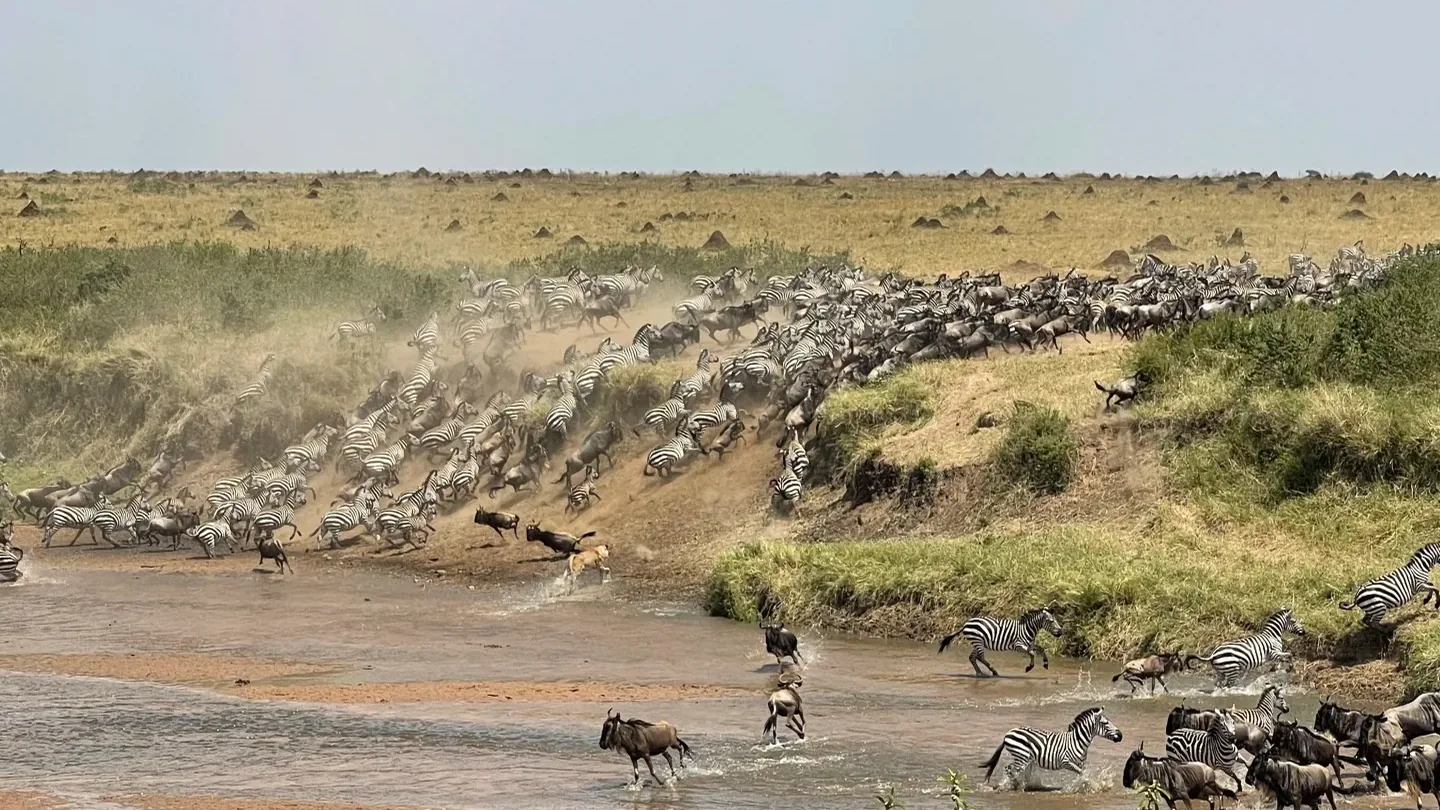
- Tanzania offers the biggest scale – the Serengeti, Ngorongoro and the migration – for more ground covered.
- Health shapes the choice: malaria prevention is advised for Kenyan parks below 2,500m and Tanzanian areas below 1,800m; much of South Africa is malaria-free.
- The commonest first-timer mistake is too many countries and camps at once – one country, one style, a humane pace.
Kenya vs Tanzania vs South Africa
Kenya, Tanzania and South Africa are three of the most established choices for a first safari: each offers strong wildlife viewing, workable routes and a wide range of trip styles. Their personalities are different, though, and the right one depends on what kind of first trip you want.
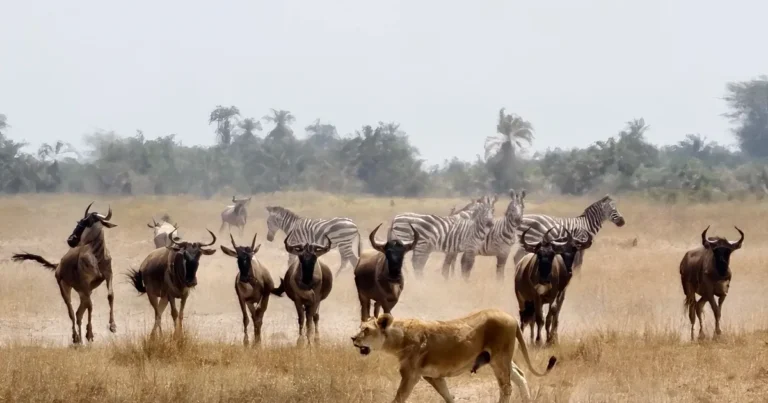
South Africa is the convenience pick. Direct flights from more places, the option to self-drive Kruger on tar and gravel roads with rest camps and fuel every few hours, and an easy pairing with Cape Town or the Garden Route if you want to bolt a city or wine leg onto the trip. Kenya gives you the classic postcard – wide open plains, close sightings, dramatic skies – usually from a smaller number of camps without much internal flying. Tanzania asks for a bigger route and more patience but pays it back with sheer scale: the Serengeti and Ngorongoro combination is hard to beat for a sense of wilderness, and it’s one of only two countries where you can see the Great Migration.
South Africa
Easiest logistics
Self-drive option, low malaria risk, direct flights, easy add-on to Cape Town.
Kenya
Classic plains
Iconic open savanna, close sightings, compact routes, less internal flying.
Tanzania
Biggest scale
Serengeti & Ngorongoro, the migration, more ground to cover.
Malaria, yellow fever and entry rules
This is the part that actually decides a lot of first-timers’ choices, and it rarely gets discussed until someone’s already booked. The three countries are not equivalent here.
Malaria. Risk varies by route, altitude and season. CDC guidance recommends malaria prevention medicine for Kenyan game parks below 2,500 metres and for Tanzanian areas below 1,800 metres. In South Africa, Cape Town and most of the Eastern Cape are malaria-free, while Kruger and parts of the northeast remain risk areas. Discuss your exact itinerary with a travel clinic rather than treating any country as one uniform risk zone.
Yellow fever. Certificate rules depend on where you arrive from and, in some cases, whether you spent more than 12 hours transiting a yellow-fever-risk country. Kenya and Tanzania may require proof in those circumstances, and South Africa checks certificates for travellers arriving from listed risk countries. Check the current rule against your full flight itinerary.
Entry rules. Visa and arrival requirements depend on your passport and can change. Use the official immigration portal for each country, and recheck both entry and transit rules shortly before departure.
None of this should scare you off any of the three. It should just be settled with a travel clinic before you book, not discovered at check-in.
First-timer comparison at a glance
| Factor | Kenya | Tanzania | South Africa |
|---|---|---|---|
| Malaria risk | Many parks below 2,500m | Areas below 1,800m | Kruger and northeast |
| Yellow fever card | Required if transiting risk country | Required if transiting risk country | Strictly enforced at entry |
| Driving style | Guided is the usual choice | Guided is usual; some areas require it | Self-drive or guided |
| Big Five in one trip | Likely, not guaranteed | Likely, not guaranteed | Very likely (Sabi Sand/Kruger) |
| Best for | Classic plains, close sightings | Scale, the migration | Convenience, flexibility |
Tanzania
South Africa
Guided vs self-drive: how each country works
This is a bigger practical difference than most first-timers expect. In Kenya and Tanzania, guided safaris are the norm and usually the sensible choice for a first visit, but self-driving is not categorically banned across both countries. Rules vary by protected area: for example, a licensed guide is required for Ngorongoro Crater and Oldupai Gorge. Check the current park rule before planning any independent route.
South Africa is genuinely different. Kruger National Park is built for self-drive – tarred and gravel roads, fenced rest camps with fuel and shops every couple of hours, and a well-marked network that makes it approachable even on a first visit. You’ll see largely the same animals as a guided vehicle, since everyone uses the same roads, though a guide’s trained eye and radio network will still find you more. If you want the guided experience without giving up South Africa’s convenience, a private reserve like Sabi Sand – unfenced and bordering Kruger – delivers off-road guided drives and some of the most reliable leopard sightings anywhere.
A reasonable hybrid for a first South Africa trip: two or three days self-driving Kruger’s main camps to get comfortable, then two nights in a private reserve for the guided, off-road version of the same landscape.
Not sure which country fits you?
Tell us your budget, dates and what you’d rather not deal with – long drives, malaria tablets, a strict packing limit. Our safari team will point you to the one country that actually fits, not the one that photographs best. No obligation.
Where you’ll see the Big Five fastest
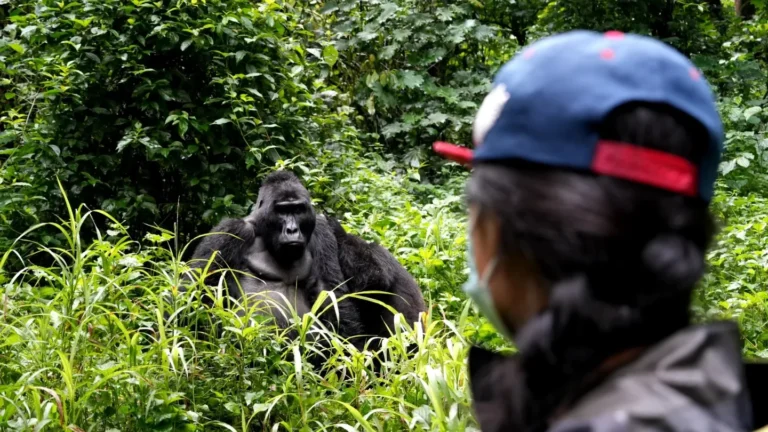
Lion, elephant, buffalo, leopard and rhino – the Big Five – are realistically achievable in a single trip in Kenya, Tanzania or South Africa. They’re much harder to tick off together in places like Uganda or Rwanda, which trade the Big Five for gorillas and forest wildlife instead.
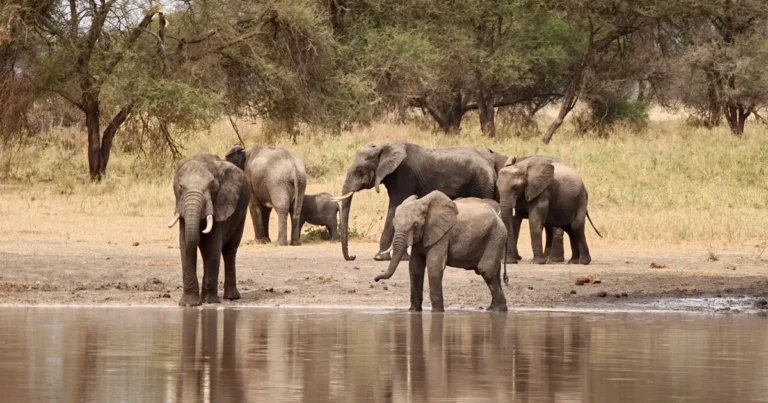
Here’s our hill to die on: for the fastest, most reliable Big Five trip on a first safari, South Africa’s Greater Kruger area – and Sabi Sand in particular – beats Kenya and Tanzania. Dense lion and elephant populations, off-road guided tracking, and leopard sightings that are almost routine rather than lucky. Three nights in a strong private reserve there will often outperform a longer, pricier East African itinerary for pure Big Five odds. If the open-plains scenery and the migration are what you actually came for, that logic doesn’t apply to you – Kenya and Tanzania win on atmosphere, not tick-list speed.
Typical nights needed for a full Big Five sighting
Kenya
Tanzania
Rough guidance, not a guarantee – sightings depend on the reserve, season and luck. Rhino and leopard are usually the slowest of the five to tick off outside dedicated private reserves.
The mistakes first-timers actually make
Wildlife is unpredictable, but most disappointing first safaris trace back to planning, not luck. The single biggest one is trying to cover too much: three countries and five camps in ten days leaves you spending the trip in transit, not in the bush. One country, one clear style of trip, a realistic pace – that’s the whole formula.
The second is ignoring your guide. Guides read animal behaviour, radio other vehicles, and know when to hold still and when to move – overruling them, or treating the drive like a photo errand, is how people miss the best moments and occasionally put themselves at risk. Strong perfume and smoking can also make an open vehicle unpleasant for other guests, so keep scents light and follow camp etiquette.
And a smaller, more common one: not checking baggage limits on bush flights. Light aircraft between camps often cap checked luggage at around 15kg in a soft-sided bag, well below what an international flight allows. Pack for the small plane, not the big one.
What to pack and wear
Neutral colours – khaki, dark green, brown and beige – are practical because they hide dust and blend easily into camp life. White marks quickly, while camouflage clothing can be restricted for civilians in some countries. Layers matter more than any single item: a game drive can start cold at dawn and be genuinely hot by mid-morning, all in the same open vehicle.
Beyond clothing, the short list that actually gets used: binoculars, a wide-brim hat, sunscreen and insect repellent, a lightweight rain layer in green season, and a soft duffel rather than a hard suitcase if any leg of the trip involves a light aircraft.
Five questions to ask before you book your first safari
- How many countries and camps am I actually trying to fit in? Fewer is almost always better for a first trip. One country done properly beats three done in a rush.
- What’s my malaria and yellow fever plan? Settle it with a travel clinic before booking, not at check-in, and factor it into which country you choose.
- Do I want to self-drive, or do I want a guide? This alone can point you toward South Africa versus Kenya or Tanzania.
- Is the Big Five the goal, or is the scenery? Sabi Sand-style reserves optimise for the former; the Serengeti and Mara optimise for the latter.
- What’s my baggage situation on internal flights? A 15kg soft-bag limit on a bush flight can catch first-timers off guard – check it before you pack.
So where should you go?
If convenience, flexibility and lower malaria risk matter most, or you like the idea of self-driving part of the trip. Best odds of a fast, reliable Big Five sighting in Sabi Sand or Greater Kruger.
If the classic open-plains picture is what you’re chasing, with close sightings and a compact route that doesn’t demand much internal flying.
If scale and the Great Migration are the point, and you don’t mind a bigger route to get there. The Serengeti–Ngorongoro combination is worth the extra ground covered.
Whichever you choose, resist the urge to stack countries on a first trip. A narrow, well-paced safari in one place will beat a scattered tour of three almost every time – and there’s nothing stopping the second country from being your second safari.
Sources & notes
Health guidance is for planning only, not a substitute for a travel clinic or physician. Requirements and risk areas change – confirm current advice before booking and again before travel. Checked 18 July 2026 against the CDC Kenya traveller page, CDC Tanzania traveller page, and CDC South Africa traveller page.